
Best fertilizers for bonsai nutrient deficiencies in the US help when your bonsai has yellow leaves, pale color, or weak growth. This often means a bonsai nutrient deficiency, like nitrogen deficiency or iron deficiency.
These problems are common because bonsai live in small pots and lose bonsai soil nutrients fast. The good news is you can fix bonsai health by using the right bonsai fertilizer.
A balanced bonsai fertilizer, NPK such as 10-10-10 or slow-release pellets like Osmocote Plus, can restore nutrient balance. If you see chlorosis (yellow leaves with green veins), a liquid bonsai fertilizer like Neptune’s Harvest Fish & Kelp works quickly.
For steady feeding and long-term bonsai soil nutrition, organic bonsai fertilizer pellets such as Biogold Bonsai Fertilizer are widely used in the US. Even hardy trees like juniper bonsai recover well once the right nutrients return during the growing season.
How to Tell if Your Bonsai Has a Nutrient Deficiency?
Your bonsai can show clear signs when it lacks nutrients. You just need to look closely. Leaves tell you first. Growth tells you next.
Yellow leaves are the most common sign. This is called chlorosis. It often means iron deficiency. If the whole leaf looks pale green, your tree may have a nitrogen deficiency. Both problems slow bonsai growth.
Small new leaves are another clue. Weak shoots or thin stems also indicate low nutrient levels. Sometimes older leaves turn yellow first. That can mean magnesium deficiency. Brown leaf edges may show potassium deficiency.
Bonsai soil nutrients run out fast. Pots are small. Water washes nutrients away. So deficiencies happen more often than in garden trees.
Check that light and watering are normal. If they are fine and the bonsai still looks weak, a bonsai nutrient deficiency is likely. This is when the right bonsai fertilizer can restore nutrient balance and help your tree grow strong again.
Most Common Bonsai Nutrient Deficiencies and Symptoms
Different nutrient gaps cause different signs in your bonsai. When you match the symptom to the nutrient, you can choose the right bonsai fertilizer fast.
1. Nitrogen deficiency: Leaves look pale green or light yellow. New growth is small. Shoots are weak. Bonsai growth slows. This happens when the bonsai soil nutrients run low after watering and growth.
2. Iron deficiency (chlorosis): Leaves turn yellow, but veins stay green. Iron deficiency is called chlorosis. It often shows on new leaves first. Iron deficiency is common in bonsai soil with low micronutrients.
3. Potassium deficiency: Leaf edges turn brown or dry. Tips may curl. Stems feel weak. The bonsai may lose older leaves early. Potassium helps strengthen tissue and water balance.
4. Phosphorus deficiency: Leaves look dull or dark. Growth is slow. Roots stay weak. Phosphorus deficiency can affect overall bonsai health and recovery after stress.
5. Magnesium deficiency: Older leaves turn yellow between the veins. New leaves stay green. Magnesium deficiency shows when the nutrient balance in bonsai soil is uneven.
Once you know which bonsai nutrient deficiency you see, you can choose the best fertilizer type to restore bonsai health and steady growth.
Best Fertilizers to Fix Each Bonsai Nutrient Deficiency in the US
Once you spot the deficiency, the right bonsai fertilizer can quickly correct it. Choose the fertilizer type that matches the missing nutrient. This restores bonsai nutrient balance and healthy growth.
1. Best for general bonsai nutrient deficiency
If your bonsai looks weak overall, use a balanced bonsai fertilizer NPK. Ratios like 10-10-10 or 14-14-14 replace lost bonsai soil nutrients evenly. Slow-release pellets such as Osmocote Plus feed the tree for weeks and support steady recovery.
2. Best for nitrogen deficiency
Pale leaves and slow growth need more nitrogen. Use a higher-nitrogen plant fertilizer during the growing season. Liquid or granular feeds from US brands like Espoma Organic Fertilizer add gentle nitrogen and improve bonsai soil nutrition.
3. Best for iron deficiency (chlorosis)
Yellow leaves with green veins need iron fast. A liquid bonsai fertilizer with micronutrients works best. Neptune’s Harvest Fish & Kelp supplies iron and trace elements that help green color return quickly.
4. Best organic slow-release bonsai fertilizer
For long-term nutrient balance, organic bonsai fertilizer pellets are ideal. They release nutrients slowly and support soil life. Biogold Bonsai Fertilizer is widely used in the US for steady feeding and healthy bonsai growth.
5. Best micronutrient supplement
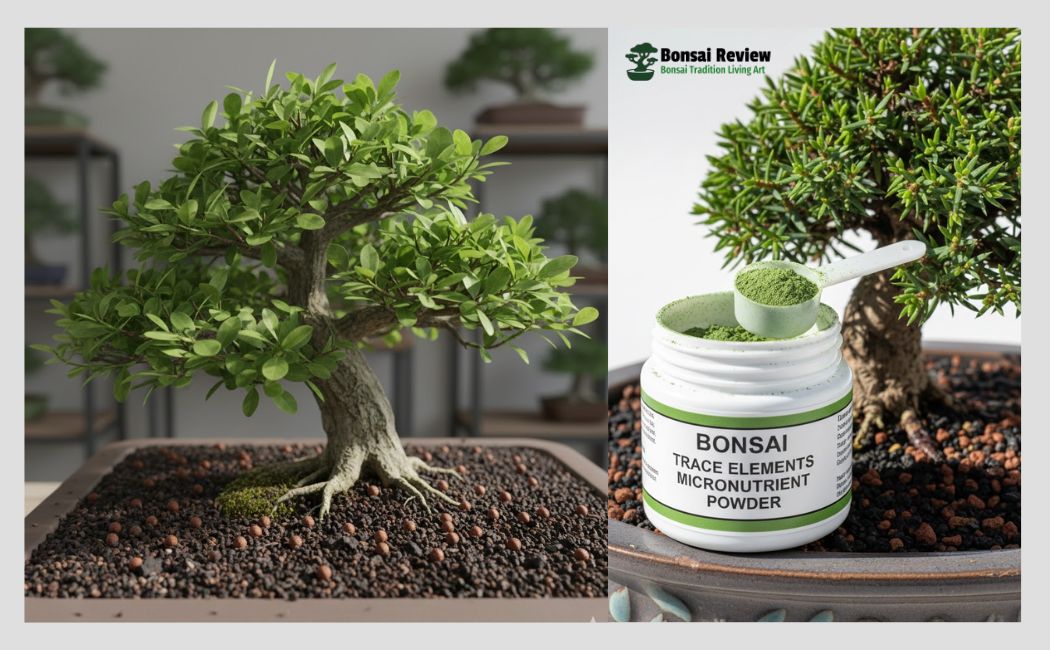
If leaves show mixed deficiency signs, trace elements may be low. A micronutrient blend such as MicroTotal Micronutrient Supplement restores missing minerals and helps full bonsai health recovery.
With the right fertilizer match, even stressed bonsai regain color, strength, and new growth within the growing season.
Choosing Fertilizer by Bonsai Type: Best Fertilizers for Bonsai Nutrient Deficiencies in the US
Your bonsai type also guides which bonsai fertilizer works best. Different trees use nutrients at different speeds. Matching fertilizer to species helps faster bonsai health recovery.
1. Evergreen bonsai (like juniper bonsai)
Evergreens grow all season. Juniper bonsai prefer slow, even feeding. Organic bonsai fertilizer pellets, such as Biogold Bonsai Fertilizer, keep bonsai soil nutrients stable and support a strong green color.
Example species: Juniper bonsai.
2. Indoor bonsai
Indoor bonsai grow more slowly due to lower light. They need gentle feeding. A diluted liquid bonsai fertilizer like Neptune’s Harvest Fish & Kelp prevents salt buildup and supplies micronutrients without root stress.
3. Deciduous bonsai
Deciduous trees grow fast in spring. They use more nitrogen early, then balanced nutrients later. A balanced bonsai fertilizer NPK, such as 10-10-10 or slow-release pellets like Osmocote Plus, supports strong leaves and seasonal growth.
When fertilizer matches bonsai type and growth pattern, nutrient balance stays stable, and deficiencies return less often.
How to Apply Fertilizer to a Deficient Bonsai Safely?
A weak bonsai needs gentle feeding. Too much bonsai fertilizer can burn roots. Safe use helps nutrients return without stress.
Start with moist soil. Never fertilize dry bonsai soil. Water first. Then apply fertilizer. This protects fine roots.
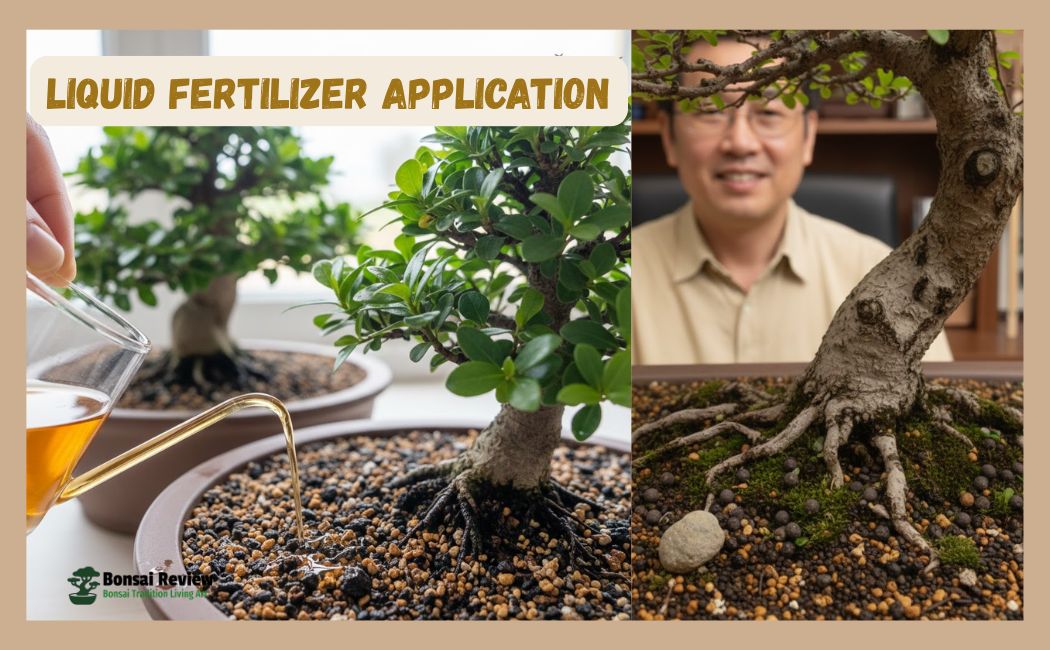
For liquid bonsai fertilizer, use half-strength at first. Products like Neptune’s Harvest Fish & Kelp work best when diluted. Pour evenly over the soil. Avoid leaves and trunk.
For pellet or slow-release fertilizer, place small amounts on the soil surface. Spread evenly. Do not pile near the trunk. Pellets such as Osmocote Plus release nutrients slowly and reduce burn risk.
Organic bonsai fertilizer pellets like Biogold Bonsai Fertilizer can sit on the soil or inside fertilizer baskets. This keeps nutrients steady and improves bonsai soil nutrition over time.
Feed more often during the growing season. Stop or reduce feeding in winter dormancy. As bonsai health improves, you can return to normal feeding strength.

How Often to Fertilize Bonsai With Nutrient Deficiency
Timing is key to restoring bonsai health without harming roots. Too little slows recovery. Too much can burn the bonsai.
A. Liquid bonsai fertilizer
Apply every 2–4 weeks at half strength. Products like Neptune’s Harvest Fish & Kelp give fast nutrients for yellow leaves or weak growth.
B. Pellet or slow-release fertilizer
Use every 6–8 weeks during the growing season. Slow-release pellets like Osmocote Plus feed steadily. Organic pellets such as Biogold Bonsai Fertilizer also support soil life while supplying nutrients.
Seasonal guidance;
- Spring: higher nitrogen helps strong new growth.
- Summer: balanced NPK maintains health.
- Autumn: lower nitrogen, higher phosphorus and potassium support roots and blooms.
- Winter: stop fertilizing when trees are dormant.
Following this schedule keeps nutrient balance steady and helps your bonsai recover quickly.
How Long Bonsai Take to Recover After Fertilizing?
Once you apply the right bonsai fertilizer, recovery starts quickly, but patience is key.
A. Leaf color recovery: Yellow or pale leaves usually show improvement in 2–4 weeks with liquid bonsai fertilizer like Neptune’s Harvest Fish & Kelp. New green growth may appear faster.
B. New growth and shoots: Balanced NPK fertilizers or slow-release pellets such as Osmocote Plus support steady development. Expect noticeable growth in 3–6 weeks during the growing season.
C. Severe deficiencies: If your bonsai was very weak, full recovery may take a few months. Organic slow-release fertilizers like Biogold Bonsai Fertilizer help rebuild bonsai soil nutrients gradually, ensuring long-term health.
Regular observation and continued feeding at the correct schedule prevent future nutrient deficiencies and keep your bonsai strong.
Preventing Future Bonsai Nutrient Deficiencies
Fixing a deficiency is just the first step. To keep your bonsai healthy, you need steady care and the right feeding routine.
1. Follow a balanced fertilization schedule
Use high-nitrogen fertilizers in spring, balanced NPK in summer, and low-nitrogen fertilizers in autumn. Slow-release pellets like Osmocote Plus and organic pellets like Biogold Bonsai Fertilizer help maintain steady bonsai soil nutrients all season.
2. Refresh bonsai soil regularly
Old soil loses nutrients. Repot or top-dress your bonsai every 1–2 years. This restores nutrient balance and supports long-term growth.
3. Rotate nutrient types
Mix organic fertilizer pellets, liquid fertilizers, and micronutrient supplements like MicroTotal Micronutrient Supplement to provide all essential elements.
4. Watch for early signs
Check leaves, shoots, and color often. Catching deficiencies early means faster recovery with less stress.
By following these steps, your bonsai stays strong, vibrant, and resistant to nutrient deficiencies in the US climate.
Common Fertilizing Mistakes That Cause Deficiencies
Even with the right bonsai fertilizer, mistakes can cause nutrient problems again. Knowing what to avoid keeps your bonsai healthy.
1. Over-fertilizing: Too much fertilizer can burn roots. Slow-release pellets like Osmocote Plus or organic pellets like Biogold Bonsai Fertilizer should be applied in small amounts. Always follow the label instructions.
2. Under-fertilizing: Skipping feedings or using weak liquid fertilizer too infrequently slows recovery. For yellow leaves or weak growth, apply liquid bonsai fertilizer like Neptune’s Harvest Fish & Kelp every 2–4 weeks during the growing season.
3. Wrong NPK for the season: Using high-nitrogen fertilizer in autumn or winter can stress bonsai. Match fertilizer type to seasonal needs.
4. Poor soil nutrition: Old or depleted bonsai soil reduces fertilizer effectiveness. Refresh soil or repot periodically to keep bonsai soil nutrients balanced.
5. Winter feeding mistakes: Fertilizing when trees are dormant can harm roots and slow recovery. Stop feeding in winter and resume in spring.
Best Fertilizers for Bonsai Nutrient Deficiencies in the US: Avoiding these mistakes helps your bonsai recover faster and stay healthy long-term.
Quick Fertilizer Selection Guide in the US
Best Fertilizers for Bonsai Nutrient Deficiencies in the US. Here’s an easy way to match your bonsai problem with the right fertilizer. This helps you act fast and restore nutrient balance.
| Bonsai Problem / Symptom | Likely Nutrient Deficiency | Recommended Fertilizer Type | US Product Example |
| Yellow leaves (chlorosis) | Iron | Liquid bonsai fertilizer | Neptune’s Harvest Fish & Kelp |
| Pale growth / weak shoots | Nitrogen | High-nitrogen fertilizer | Espoma Organic Fertilizer |
| Poor overall health | General nutrient loss | Balanced NPK, slow-release pellets | Osmocote Plus |
| Soil lacking micronutrients | Trace elements | Micronutrient supplement | MicroTotal Micronutrient Supplement |
| Long-term steady feeding | Nutrient balance/soil health | Organic slow-release pellets | Biogold Bonsai Fertilizer |
Best Fertilizers for Bonsai Nutrient Deficiencies in the US quick guide ensures you choose the right US-available product and restore your bonsai’s health efficiently.
Conclusion: Restoring Bonsai Health With the Right Fertilizer
Bonsai nutrient deficiencies are common, but they are easy to fix with the right approach. Yellow leaves, weak shoots, or pale growth usually indicate a specific nutrient deficiency. Using the correct bonsai fertilizer replenishes the nutrients in bonsai soil and brings your tree back to health.
Best fertilizers for bonsai nutrient deficiencies in the US need balanced NPK fertilizers like 10-10-10 or slow-release pellets such as Osmocote Plus, which provide steady nutrients. For quick fixes, liquid bonsai fertilizer like Neptune’s Harvest Fish & Kelp supplies fast-acting iron and trace elements. Organic slow-release pellets like Biogold Bonsai Fertilizer improve soil nutrition over time and keep bonsai strong long-term.
By identifying the deficiency, choosing the right US-available product, and following a safe fertilizing schedule, your bonsai will recover its vibrant color, strong growth, and overall health. Steady care now prevents future nutrient problems and helps your bonsai thrive for years to come.
Relevant article for Bonsai Tree Problems: How to Spot and Treat Pests and Diseases?
FAQs: Best Fertilizers for Bonsai Nutrient Deficiencies in the US.
1. What is the best fertilizer for bonsai trees?
The best fertilizer depends on the nutrient deficiency. Balanced NPK fertilizers like 10-10-10 or slow-release pellets such as Osmocote Plus are ideal for general use. Organic slow-release pellets like Biogold Bonsai Fertilizer support long-term soil health.
2. How often should I fertilize a deficient bonsai?
Use liquid bonsai fertilizer every 2–4 weeks at half strength. Apply pellet or slow-release fertilizer every 6–8 weeks during the growing season. Stop fertilizing when the bonsai is dormant in winter.
3. Can I use liquid fertilizer and pellets together?
Yes. Liquid fertilizer provides a quick nutrient boost, while pellets release nutrients slowly over time. This combination restores nutrient balance and promotes steady bonsai growth.
4. How do I fix yellow leaves on my bonsai?
Yellow leaves usually indicate nitrogen or iron deficiency. Use a high-nitrogen fertilizer or a liquid feed with chelated iron like Neptune’s Harvest Fish & Kelp to restore green color.
5. What fertilizer is best for juniper bonsai?
Evergreen bonsai, like juniper, respond well to slow-release organic pellets such as Biogold Bonsai Fertilizer. They maintain bonsai soil nutrients steadily throughout the growing season.
6. How long will it take for my bonsai to recover?
Leaf color may improve in 2–4 weeks. New growth usually appears in 3–6 weeks. Severe deficiencies can take a few months to recover with steady fertilization and proper care fully.
7. Can over-fertilizing harm my bonsai?
Yes. Too much fertilizer can burn roots and cause more damage. Always follow recommended dosages and start with half-strength for liquid fertilizers or small amounts of pellets.
8. Are organic fertilizers better than chemical fertilizers?
Both work, but organic fertilizers improve soil health over time and release nutrients slowly. Chemical fertilizers act faster but require careful use to avoid root burn. Combining both types can be effective.
9. Can I use micronutrient supplements for mixed deficiencies?
Yes. Products like MicroTotal Micronutrient Supplement restore trace elements that may be missing and help your bonsai regain overall health.
10. When should I not fertilize my bonsai?
Do not fertilize your bonsai during winter dormancy. Fertilizing during dormancy can stress roots and slow recovery. Always resume feeding in the spring with appropriate fertilizers.