


Best bonsai tools set can make pruning, wiring, and shaping your tree easier. But when you shop on Amazon, you may find dozens of bonsai tool sets with different tools, sizes, and prices. If you are new to bonsai, it can be hard to know which tools you really need.
Bonsai trees look small and simple. But the tools you use to shape them make a big difference.
Cut a branch with the wrong tool, and the wound heals ugly. Cut it with the right one, and it heals so clean you can barely see the scar.
That’s the whole secret behind good bonsai care. It’s not magic. It’s the right tool for the right cut.
This guide walks you through the three tools every bonsai owner needs concave cutters, bonsai wire, and a shear set.
You’ll see how each one works, what to look for before you buy, and which options hold up best based on real buyer feedback.
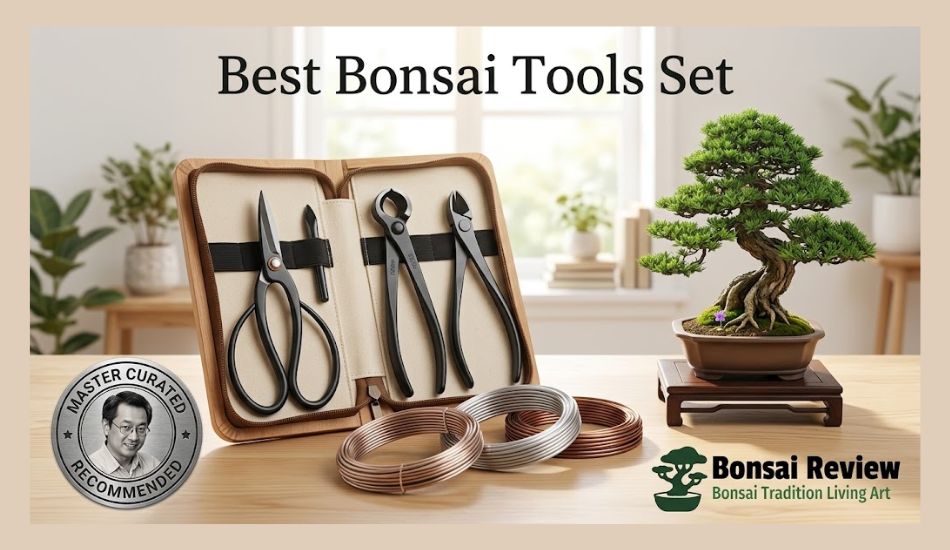
Do You Really Need a Complete Best Bonsai Tool Set? See What to Buy First: Quick Comparison
| Tool | Best For | Material | Price Range |
| Concave Cutter | Removing branches cleanly | Carbon steel | $15–$35 |
| Bonsai Wire | Shaping and bending branches | Anodized aluminum or copper | $10–$25 |
| Shear Set | Trimming leaves and small twigs | Carbon steel | $20–$50 |
Now let’s break down why each one matters.
1. Concave Cutters: The Tool That Heals Wounds
Here’s something most beginners don’t know. A regular pair of pruning shears leaves a flat, round scar when you cut off a branch.
A concave cutter does something smarter. It cuts a small dip into the trunk, so when the wound heals, it grows flat instead of bumpy.
That’s the whole point of this tool. You’re not just cutting. You’re helping the tree heal in a way that looks natural years later.
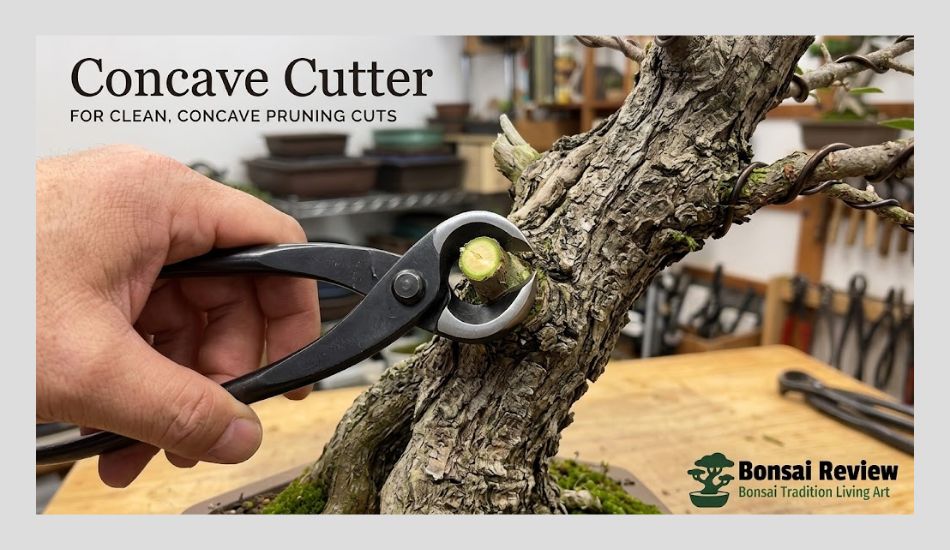
What to look for:
- Blade shape. A rounded blade makes a deeper dip. A straight blade makes a shallower one. Rounded blades work better for thicker branches.
- Steel quality. Carbon steel holds an edge longer than stainless steel, but it needs to be dried and oiled after use, or it rusts.
- Handle size. An 8-inch cutter gives you more leverage on thick branches. Smaller 6-inch versions work better on young trees with thin stems.
Buyers who own carbon steel concave cutters, like the ones in the BambooMN bonsai set, often point out how the ergonomic grip makes repeated cuts feel less tiring on the hand. That matters more than people expect once you’re pruning a dozen branches in one sitting.
[→ Check current price on Amazon]
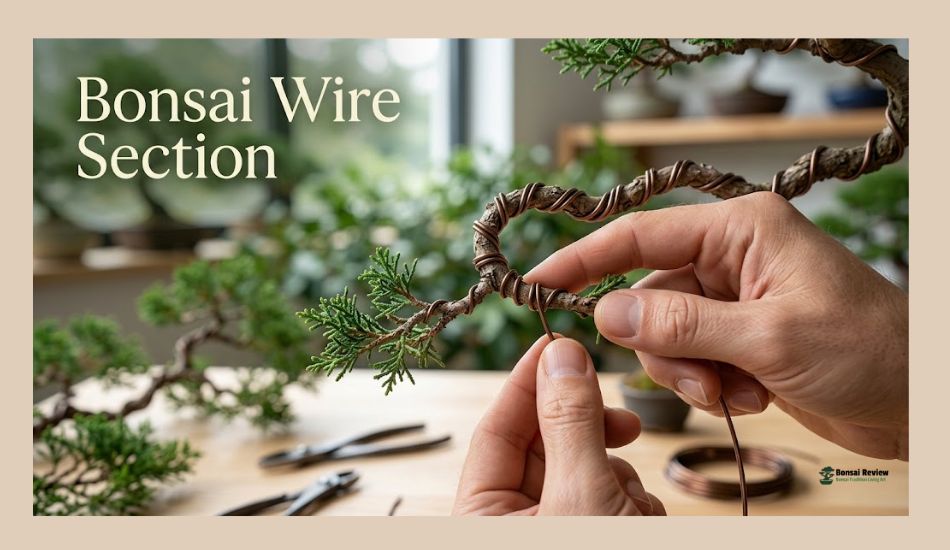
2. Bonsai Wire: How You Actually Shape the Tree
If cutting removes what you don’t want, wire is how you build what you do want. You wrap it around a branch, then bend the branch into the shape you’re going for. The wire holds that shape while the branch grows into it over the next few months.
There are two main types, and picking the wrong one is the most common beginner mistake.
- Anodized aluminum wire is soft and easy to bend by hand. It’s the better choice if you’re new to bonsai, since you can adjust it without much strength. It works well on younger, more flexible trees.
- Annealed copper wire holds its shape more firmly. It’s harder to bend, so it takes more practice, but it keeps stubborn, older branches in place better than aluminum does.
A simple rule for choosing wire thickness:
- Thin branches (pencil-width or less) → 1–2mm wire
- Medium branches → 2.5–3.5mm wire
- Thick branches or trunks → 4mm or higher
One thing worth knowing before you buy: cheap wire snaps when you bend it back and forth. Good wire, like anodized aluminum sets built for training, bends smoothly and can be reshaped a few times without breaking. That’s the difference between a $10 roll and a $25 roll, and it’s worth paying for.
[→ Check current price on Amazon]
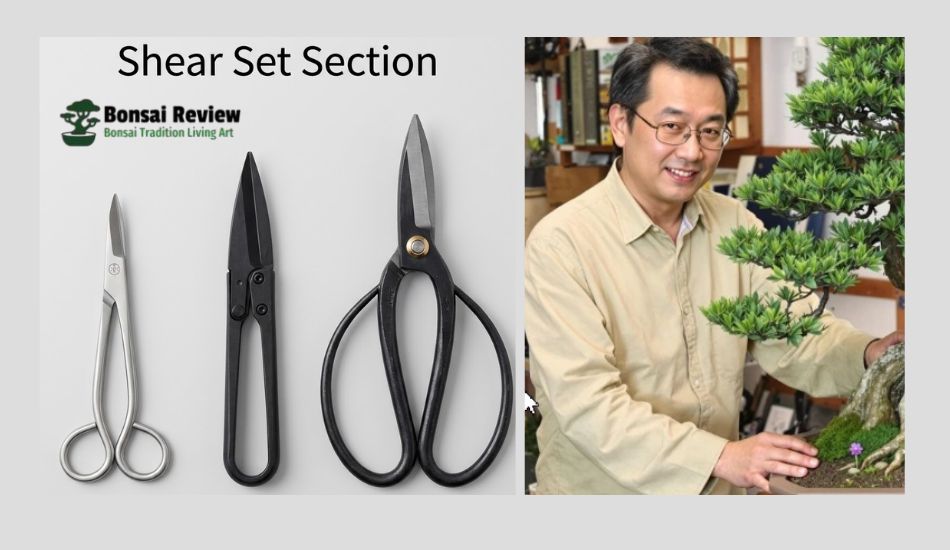
3. Shear Sets: Your Everyday Tool
You’ll use shears more than any other tool in your kit. Concave cutters and wire come out occasionally. Shears come out almost every time you check on your tree.
A good shear set usually includes a few different sizes, because one shear can’t do every job well.
- Bud and leaf shears — small, thin blades for trimming tiny new growth
- Trimming shears — mid-size, for cutting small twigs and stems
- Heavy duty shears — thicker blades for cutting through woodier growth
Sets like the 5-piece bonsai shear kits sold by most bonsai suppliers cover all three sizes in one purchase, which saves you from buying each one separately.
What actually matters when picking a shear set:
- Spring action. A shear with a spring pops back open after each cut, so your hand doesn’t cramp during long pruning sessions.
- Blade edge. A sharp, thin edge crushes less plant tissue, which means faster healing.
- Grip comfort. If the handle is too small for your hand, you’ll feel it after ten minutes of trimming.
[→ Check current price on Amazon]
How to Pick the Right Set for You?
Not everyone needs the same tools. Here’s a simple way to decide.
1. If you have one small tree and you’re just starting out: Get a basic shear and a small concave cutter. Skip the wire for now until your tree has grown enough branches to shape.
2. If you have two or three trees and want to style them: Get a full shear set, a mid-size concave cutter, and both aluminum and copper wire in a few thicknesses.
3. If you’re serious about bonsai as a long-term hobby: Invest in carbon steel tools across the board. They cost more upfront, but they hold their edge for years instead of months.
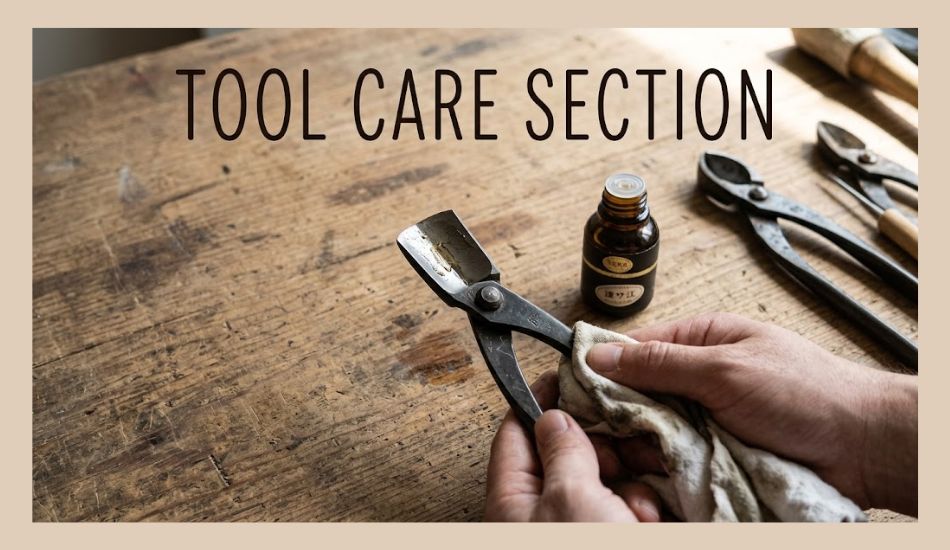
Caring for Your Tools So They Last
A $30 concave cutter that’s cared for well will outlast a $60 one that gets left dirty and wet.
- Wipe blades dry after every use.
- Add a drop of camellia oil or light machine oil to carbon steel tools to stop rust.
- Store wire coiled loosely, not bent tight, so it doesn’t kink before you even use it.
- Keep shears closed when storing them, to protect the blade edge.
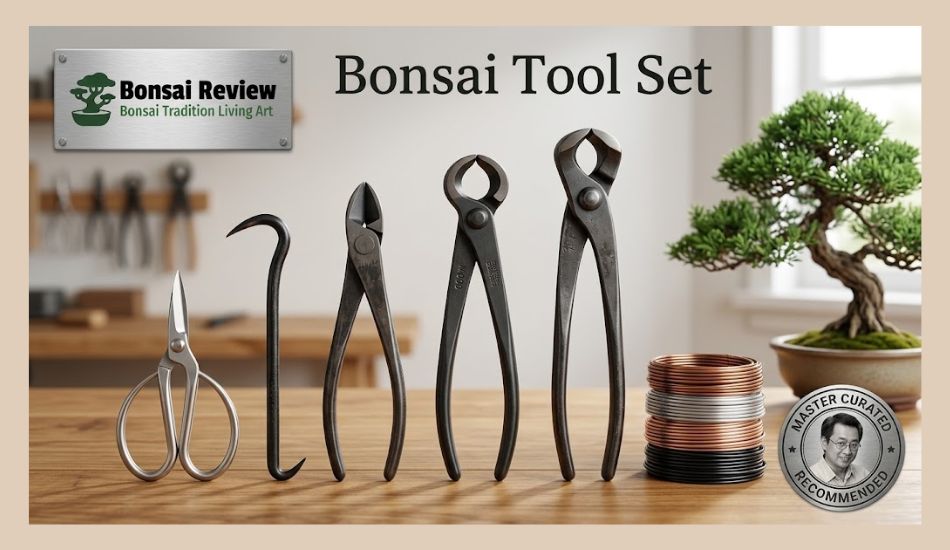
The Bottom Line: What Should You Look for in a Bonsai Tool Set?
You don’t need every tool in a 15-piece bonsai kit to take good care of your tree. Start with a solid concave cutter, a roll of aluminum wire, and a shear set with two or three sizes. That covers cutting, shaping, and daily trimming, which is most of what bonsai care actually involves.
Buy carbon steel where you can, dry your tools after every use, and your first set can easily last five years or more.
Most relevant article: Best Bonsai Tools: Essential Gear for Perfect Pruning.
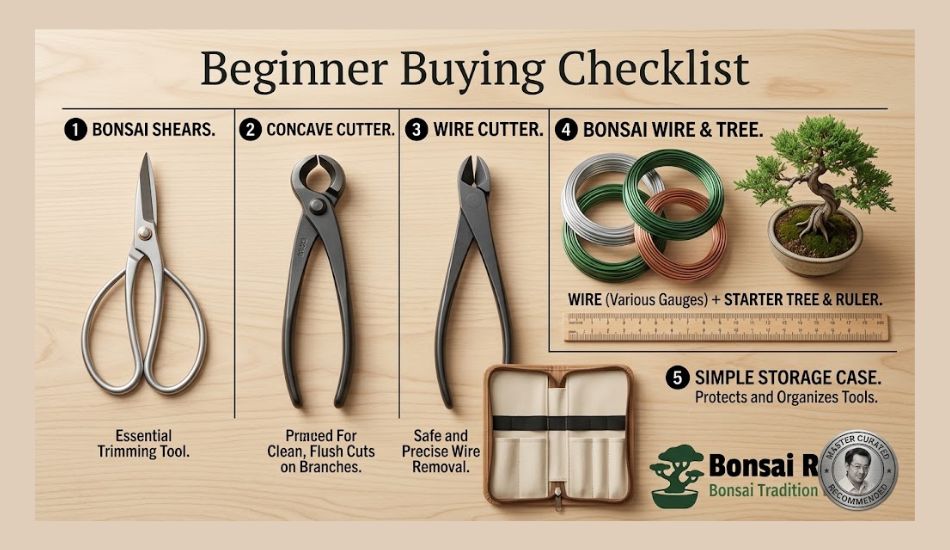
FAQs: Do You Need a Complete Bonsai Tool Set? What to Buy First.
1. Do I need a concave cutter if I already have shears?
Yes, if you plan to remove full branches. Shears crush the base of a cut. A concave cutter carves it, so the wound heals flatter and faster.
2. What’s the best bonsai wire thickness for a beginner tree?
Start with 2mm to 3mm aluminum wire. It covers most young, thin branches without being too stiff to bend.
3. Can I use regular garden shears instead of a bonsai shear set?
You can, but the blades are usually too thick for delicate branches. They also don’t have the fine tip needed to trim single leaves or buds without damaging nearby growth.
4. How often should I replace bonsai wire?
Wire isn’t reused after it’s removed from a branch, since bending it once already weakens the metal. Buy a fresh roll each time you restyle a tree.