
The bonsai repotting timeline is the reason your bonsai looks stuck, weak, or tired right now. When you miss the right time, bonsai trees become root-bound, the root system cannot breathe, and tree growth slows down.
You may notice yellow leaves, poor water flow, or hard, compacted soil. This usually means the bonsai roots have filled the pot and need fresh space, fresh bonsai soil, and careful root pruning.
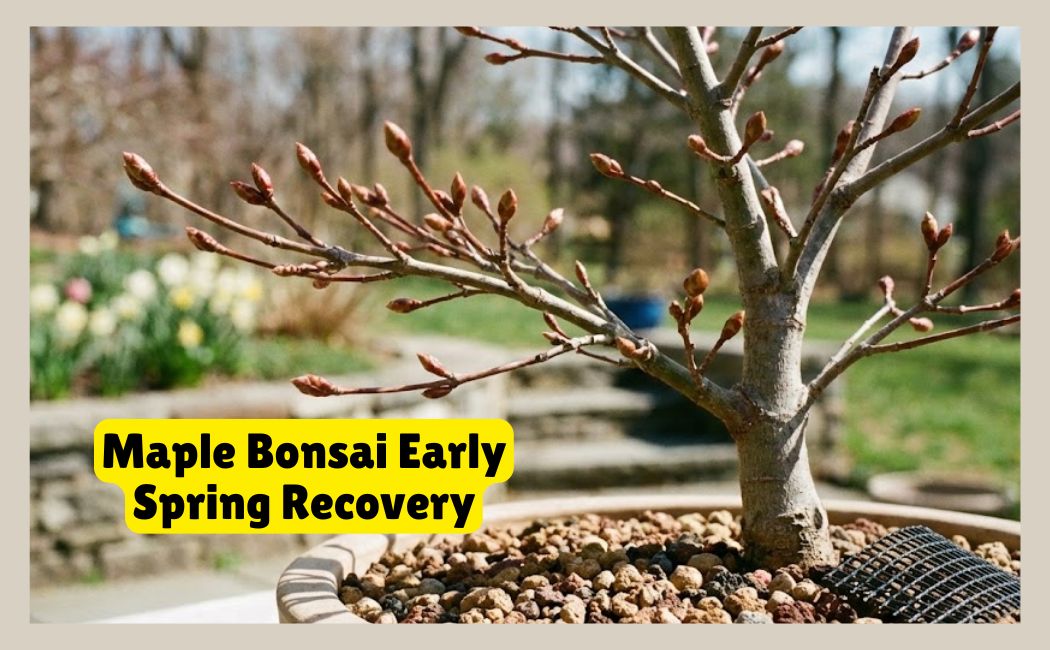
For most growers, the safest solution is early spring, when dormancy ends and bud swelling begins. At this stage, root health improves fast after soil replacement, and the tree recovers with less repotting stress.
Young bonsai and fast-growing trees like juniper bonsai and ficus bonsai plants often need repotting every 1–2 years, while mature bonsai, such as maple bonsai or Japanese maple, need it every 3–5 years.
Using the right bonsai pot, proper drainage holes, and tools from a bonsai repotting kit protects the tree during this process.
If your tree lives indoors, the bonsai repotting timeline indoors still follows active growth, but indoor bonsai, like bonsai fig trees, respond better during warm months with stable light, humidity, and good air circulation.
When you repot at the right time, trim roots gently, and manage watering after repotting, you prevent root rot, weak growth, and transplant shock.
This guide helps you match timing, species, and care so your bonsai can grow strong again without guesswork.
What Is a Bonsai Repotting Timeline and Why Does It Matter for Your Tiny Tree?
A bonsai repotting timeline is a simple schedule that tells you when your tree needs new soil and space for roots. It is not one fixed date. It depends on your tree’s age, growth speed, root system, and living place.
When you follow the right timeline, your bonsai roots stay healthy. Water flows well. Air reaches deep soil. Tree growth becomes strong again. But when you ignore this timing, roots circle inside the pot, soil becomes hard, and your tree turns root-bound.
Most problems start when:
- The bonsai pot becomes too small
- The bonsai soil loses drainage
- The root system has no space left
- Compacted soil blocks water and air
This is why timing matters.
For outdoor trees, the timeline usually follows seasons and dormancy. For indoor bonsai, it follows active growth, light, and temperature. Young bonsai need faster care. Mature bonsai need more patience.
In simple words:
Your bonsai repotting timeline tells you the safest moment to refresh soil, trim roots, and protect root health before damage begins.
When you understand this timeline, you stop guessing. You know exactly when to act and how to save your tree early.

How to Know If Your Bonsai Needs Repotting Right Now?
Your bonsai does not suddenly fail. It gives you clear signs before serious damage starts. When you learn to read these signs, you can respond on time and protect your tree.
Here are the main warning signals you should never ignore:
1. Roots Coming Out of Drainage Holes
If you see roots growing from the bottom of the pot, your tree is root-bound. This means the root system has no space left to grow.
2. Water Runs Away Too Fast
When you water, and it flows out immediately, the soil cannot hold moisture. This shows compacted soil and poor drainage.
3. Hard and Dry Soil Surface
If the topsoil feels like stone, air cannot reach the bonsai roots. Healthy roots need soft, breathable soil.
4. Slow or Weak Growth
When new leaves stop growing or stay small, tree growth is struggling because roots cannot absorb nutrients.
5. Yellow Leaves or Wilting
Yellow leaves, leaf drop, and wilting are signs of root stress, weak root health, and poor water balance.
Quick Self-Check for You
Ask yourself:
- Do I see roots outside the pot?
- Does water drain too fast?
- Is the soil hard?
- Has growth slowed down?
- Are leaves turning yellow?
If you answered “yes” to two or more, your bonsai needs repotting soon.
Month-by-Month Guide: Best Time to Repot Bonsai in the USA
Choosing the right time is the most important part of a healthy bonsai repotting timeline. In the United States, weather changes by season and region, so timing matters even more.
If you repot at the wrong time, roots become weak. If you repot at the right time, roots heal fast, and growth becomes strong.
Let’s break it down simply.
1. Early Spring: Best and Safest Time.
This is the main repotting season for most US growers. Early spring is when:
- Winter dormancy ends
- Buds start swelling
- Roots become active again
- Healing happens faster
This is the perfect moment to trim roots and change soil with low stress. For most outdoor and indoor bonsai, early spring is your safest choice every year.
2. Summer: High Risk and Avoid If Possible
Summer is dangerous for repotting because:
- Heat dries roots fast
- Water loss increases
- Recovery becomes slow
- Stress becomes high
In hot US states like Texas, Arizona, and Florida, summer repotting often damages trees. Only repot in summer if it is an emergency.
3. Fall Limited Use For Experienced Growers
Some trees can be repotted in early fall, but:
- Roots grow slowly
- Cold weather is coming
- Risk increases
For beginners, fall is not recommended. Spring is always safer.
4. Winter: Never for Most Trees.
Winter is the worst time because:
- Roots are sleeping
- Healing stops
- Cold damages exposed roots
Repotting in winter can kill your bonsai. Avoid it completely.
5. USA Climate Tip for You
Because the US has many climate zones:
- Northern states → Repot later in spring
- Southern states → Repot earlier
- Coastal areas → Longer safe window
- Cold regions → Wait for frost to end
Always wait until freezing weather is over.
6. Simple Rule You Can Follow
- If you remember only one thing, remember this:
- Repot your bonsai in early spring, when buds begin to swell and cold nights are gone.
- This timing protects roots and gives your tree the best chance to grow strong again.

How Often Does Your Bonsai Really Need Repotting By Age and Growth Speed?
Many growers damage their trees by repotting too often or too late. The truth is simple: your bonsai does not follow one fixed schedule. It follows its age and growth speed. When you match repotting to your tree’s stage, roots stay healthy, and growth stays balanced.
1. Easy Guide: Repotting Frequency.
| Bonsai Stage | Tree Age | Growth Speed | Repot Every |
| Young Bonsai | 1–3 Years | Fast | Every 1 Year |
| Growing Bonsai | 3–7 Years | Medium | Every 2 Years |
| Mature Bonsai | 7+ Years | Slow | Every 3–5 Years |
2. Young Bonsai Fast-Growing Stage
Young trees grow quickly. Their roots fill pots fast. You should repot young bonsai:
- Every year
- In early spring
- Before roots get crowded
If you wait too long, young trees become root-bound very fast.
3. Growing Bonsai Training Stage
These trees are still shaping and developing. You should repot them:
- Every 2 years
- When roots start circling
- When soil loses drainage
This stage needs balance. Too much repotting slows progress.
4. Mature Bonsai (Display Stage)
Older bonsai grow slowly. Their roots move less. You should repot them:
- Every 3 to 5 years
- Only when needed
- With gentle root trimming
Repotting too often at this stage weakens the tree.
5. Important Rule for You
Never repot just because “time passed.” Always check:
- Root condition
- Soil quality
- Drainage
- Growth strength
If roots look healthy and soil drains well, you can wait.
6. Simple Tip to Remember
Follow this rule:
- Fast-growing trees = Repot more
- Slow-growing trees = Repot less
This keeps your bonsai strong for many years.
Repotting Timeline by Bonsai Type Juniper, Ficus, Maple, and More
Not all bonsai follow the same repotting rule. Each tree type grows in a different way. When you understand your tree’s nature, you can choose the safest time to repot. This section helps you match your bonsai repotting timeline to your exact tree.
1. Juniper and Pine Bonsai (Conifers)
These trees grow slowly and like stable roots.
- Best Time: Early spring
- Repot Every: 2–3 years
You should repot when:
- Buds begin swelling
- Roots circle the pot
- Soil loses drainage
Do not repot in summer. Heat damages conifer roots easily.
2. Maple and Elm Bonsai (Deciduous Trees)
These trees lose leaves in winter and wake up strongly in spring.
- Best Time: Early spring (before leaves open)
- Repot Every: 2–4 years
This timing works because:
- Roots heal fast
- Energy is stored
- Growth restarts quickly
Repotting too late weakens leaf growth.
3. Ficus and Fig Bonsai: Tropical / Indoor Trees
These trees grow year-round in warm conditions.
- Best Time: Late spring to summer (warm months)
- Repot Every: 1–2 years
They prefer:
- Warm temperatures
- Strong light
- High humidity
Cold weather slows their recovery, so avoid winter repotting.
Indoor vs Outdoor Tree Types
Some bonsai live inside. Some stay outside. Here is the difference:
| Location | Growth Pattern | Best Repotting Time |
| Outdoor Bonsai | Seasonal | Early Spring |
| Indoor Bonsai | Year-round | Warm Months |
Indoor trees depend on light and temperature, not seasons.
Simple Rule for You
Follow this easy guide:
- Needle trees → Early spring
- Leaf trees → Bud swelling stage
- Tropical trees → Warm season
When you match timing to tree type, stress stays low, and recovery stays fast.
Indoor vs Outdoor Bonsai: Different Timelines in US Homes
Not all bonsai follow the same repotting timeline. Whether your tree lives indoors or outdoors affects root growth, soil condition, and watering needs. Understanding this difference helps you repot at the right time and avoid root stress or weak growth.
1. Outdoor Bonsai
Outdoor bonsai follow natural US seasons. Their root system responds to:
- Winter dormancy
- Bud swelling in early spring
- Soil thawing
Tips for outdoor trees:
- Check frost schedules in your region
- Repot after freezing nights are over
- Use proper bonsai soil and drainage
Most juniper bonsai, maple bonsai, and pine bonsai are outdoor trees and recover best when repotted in spring.
2. Indoor Bonsai
Indoor bonsai grow under controlled conditions:
- Windowsill bonsai receive artificial light cycles
- Temperature and humidity are more important than season
- Ficus bonsai plants and bonsai fig trees are common indoor varieties
Tips for indoor trees:
- Repot during active growth months (spring to summer)
- Maintain consistent air circulation
- Avoid cold drafts or overwatering
Indoor bonsai recover faster if their environment is stable.
| Bonsai Location | Best Repotting Time | Notes |
| Outdoor | Early Spring | Follow seasons and frost zones |
| Indoor | Spring–Summer | Warm months, stable light & humidity |
Takeaway for You: If indoor or outdoor, the key is to repot when roots are active, the soil is ready, and your tree can recover quickly. Matching the bonsai repotting timeline to the location reduces stress and ensures strong tree growth.

Step-by-Step Bonsai Repotting Schedule You Can Follow Every Year
Repotting your bonsai doesn’t have to be stressful. By following a clear yearly schedule, you protect the root system, improve root health, and support strong tree growth. This step-by-step guide works for juniper bonsai, ficus bonsai, maple bonsai, and most other types of bonsai.
Step 1: Check Roots in Early Spring
- Remove the bonsai from its pot
- Inspect the bonsai roots for circling or dead roots
- Look for root-bound signs
Step 2: Trim Roots Carefully
- Use clean pruning scissors or a root rake
- Remove 20–30% of the roots if crowded
- Avoid cutting too much to prevent repotting stress
Step 3: Prepare Fresh Bonsai Soil
- Use a mix of akadama, pumice, lava rock, or other well-draining materials
- Replace old bonsai soil entirely
- Ensure drainage holes are clear
Step 4: Repot Into a Proper Bonsai Pot
- Place soil at the bottom of the pot
- Position the tree correctly
- Fill gaps with fresh soil and gently press
- Secure with mesh or wire if needed
Step 5: Water Properly After Repotting
- Water gently until the soil is evenly moist
- Avoid soaking to prevent root rot
- For indoor bonsai, place in stable light and humidity
Step 6: Protect During Recovery
- Keep the tree in partial shade for 1–2 weeks
- Avoid strong sun, wind, or sudden temperature changes
- Monitor for weak growth, yellow leaves, or stress
Quick Tips for You
- Always check the bonsai repotting timeline before starting
- Follow the right season and tree-specific guidelines
- Use proper tools from a bonsai repotting kit
- Track your tree’s next repotting in a calendar
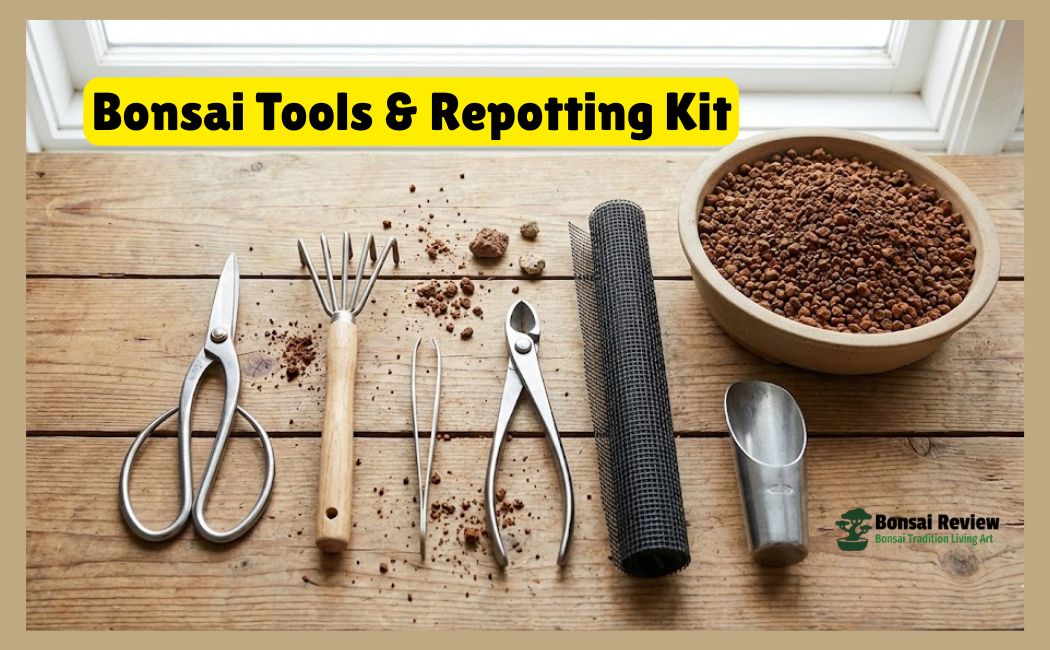
Bonsai Repotting Tools Soil Kits: When Is the Best Time to Repot Bonsai in the USA?
| Category | Item | Purpose / Benefit | Notes |
| Soil | Akadama | Excellent drainage, root aeration | Mix with pumice for the best results |
| Pumice | Light improves water retention | Use 30–50% of the soil mix | |
| Lava rock | Adds minerals, prevents compaction | Helps maintain root health | |
| Organic matter | Nutrients for growth | Only a small portion, avoid over-fertilizing | |
| Tools | Pruning scissors | Trim crowded or dead roots | Reduces repotting stress |
| Root rake | Untangles root-bound roots | Works gently to avoid root damage | |
| Tweezers | Remove debris or old soil | Helps clean the root ball efficiently | |
| Wire cutters | Secure the tree or pot | Optional, mainly for trained bonsai | |
| Pots | Bonsai pot | Holds soil & tree | Must have proper drainage holes |
| Shallow ceramic pot | Traditional display style | Matches most species, like maple or juniper bonsai | |
| Kits | Bonsai repotting kit | Includes soil scoops, scissors, rakes, and mesh | Great for beginners, following how to repot a bonsai for beginners |
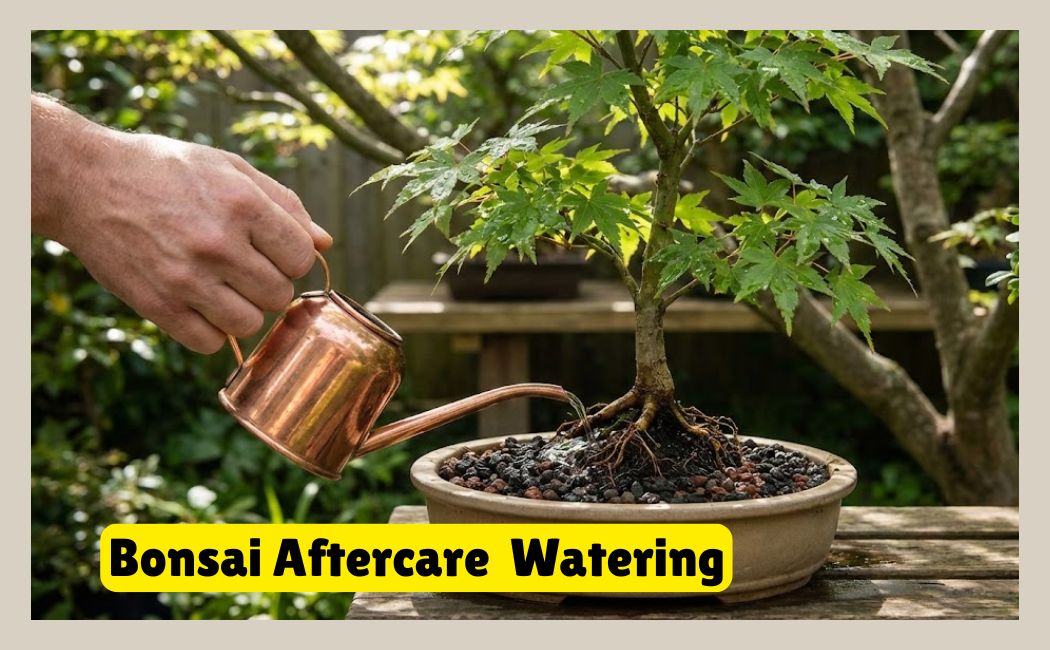
Aftercare Weekly Recovery Timeline: What Happens After Repotting?
Weekly Recovery Timeline for repotting is just the first step. Aftercare is crucial to ensure your bonsai recovers quickly and grows strong. Following a structured bonsai repotting timeline for recovery prevents root stress, weak growth, or transplant shock.
| Time After Repotting | Care Actions | Notes / Benefits |
| Week 1 | Place the tree in partial shade, water lightly | Protects fragile roots, avoids sunburn |
| Week 2–3 | Gradually increase sun exposure, keep soil moist | Stimulates root growth and tree growth |
| Week 4–6 | Return to normal light and care, resume gentle fertilization | Roots are now strong, and recovery is complete for most species |
| Week 6+ | Monitor leaves and growth | Check for yellow leaves, wilting, or stress signs |
Key Tips for Aftercare Bonsai Repotting Timeline
- Avoid overwatering; roots are sensitive
- Keep indoor bonsai in a stable temperature and humidity
- Outdoor bonsai should be shielded from frost or heat stress
- Use gentle watering to prevent root rot
Following this schedule ensures that juniper bonsai, ficus bonsai, maple bonsai, and other types recover fully and thrive after repotting.
Common Bonsai Repotting Mistakes That Kill Growth
Even experienced growers make mistakes when repotting, and these errors can weaken your bonsai trees, cause root stress, and slow tree growth. Knowing what not to do helps you protect your bonsai roots and follow the proper bonsai repotting timeline.
Top Mistakes to Avoid
1. Repotting in Summer or Winter
- Hot or freezing temperatures damage roots.
- Stick to early spring or, for indoor tropical trees, warm months.
2. Removing Too Many Roots
- Cutting more than 30% stresses the tree.
- Trim only crowded or dead roots.
3. Using the Wrong Soil
- Poor drainage or heavy soil suffocates roots.
- Always use proper bonsai soil mix like akadama, pumice, and lava rock.
4. Pot Size Mistakes
- Too big → roots struggle, waterlogging
- Too small → root-bound problems
- Use a bonsai pot suited to your tree’s root system.
5. Skipping Aftercare
- Not shading or watering properly causes weak growth, yellow leaves, or transplant shock.
Quick Rule for Your Bonsai Repotting Timeline
Follow the right repotting timeline, use proper tools and soil, trim roots carefully, and care for the tree afterward. Avoiding these mistakes ensures your bonsai thrives for years.
What Happens If You Don’t Repot Your Bonsai?
Ignoring the bonsai repotting timeline can seriously harm your tree. Your bonsai roots and tree growth depend on regular repotting to stay healthy. If you skip it, problems appear slowly but steadily.
Risks of Not Repotting
1. Root-Bound Roots
- Roots circle the pot, choking themselves.
- Water and nutrients cannot reach all roots.
2. Poor Drainage and Compacted Soil
- Soil loses its structure over time.
- Roots sit in water or dry out, causing root stress.
3. Weak Growth and Yellow Leaves
- Nutrients cannot reach new growth.
- Leaves turn yellow, wilt, or drop.
4. Slower Recovery and Stress
- The tree struggles during hot or cold seasons.
- Recovery from damage takes longer if roots are unhealthy.
5. Eventual Tree Decline
- Long-term neglect can stunt your bonsai permanently.
- Mature trees like maple bonsai or Japanese maple slow their growth.
- Fast-growing trees like juniper bonsai or ficus bonsai plants become crowded and weak faster.
Takeaway for You: Following a proper bonsai repotting timeline isn’t optional; it’s essential. Regular repotting keeps your bonsai strong, nourished, and visually vibrant, protecting both roots and overall tree growth.
Conclusion: Your Simple Bonsai Repotting Plan
Repotting your bonsai on the right timeline is the key to keeping it healthy, vibrant, and strong. By understanding the bonsai repotting timeline, you can avoid root-bound roots, weak growth, and yellow leaves. Checking your bonsai roots, using fresh bonsai soil, and following proper aftercare ensure your tree recovers quickly and thrives year after year.
However, these simple rules apply to US growers:
- Timing Matters: Early spring is best for most trees, while tropical indoor bonsai can be repotted during warm months.
- Frequency Depends on Age: Young juniper bonsai or ficus bonsai plants need repotting every 1–2 years, while mature maple bonsai and Japanese maple require it every 3–5 years.
- Use Proper Tools and Soil: A bonsai repotting kit, well-draining soil mix, and the correct pot size prevent stress.
- Follow Aftercare: Gradual sun, proper watering, and monitoring for stress keep your tree healthy after repotting.
By following this guide, you take the guesswork out of repotting and give your bonsai the best chance to grow strong, whether it’s an indoor bonsai, a bonsai fig tree, or a classic outdoor species. Stick to the repotting schedule, care for your roots, and enjoy a thriving bonsai for years to come.
Helpful article: Minimalist Bonsai Pots: How You Choose the Perfect Simple Pot for Your Tree?
FAQs: Bonsai Repotting Timeline US Growers
1. Can I repot my bonsai in October?
For most bonsai, October is risky because roots slow down as the weather cools. Outdoor trees like juniper bonsai and maple bonsai recover more slowly, and cold nights can damage freshly exposed roots. Indoor ficus bonsai plants may tolerate it if they stay in warm, stable conditions, but spring is still safer.
2. Can I repot a bonsai in winter?
Winter is generally too cold for most US trees. Roots are dormant, and repotting stress is high. Only tropical indoor bonsai, like bonsai fig trees, may survive if warmth, light, and humidity are controlled, but early spring remains ideal for recovery.
3. Should I water bonsai right after repotting?
Yes, but gently. Water until the oil is evenly moist, not soaked. Proper watering helps root health and prevents transplant shock while your tree adjusts to fresh bonsai soil.
4. Do bonsai like big pots?
No. Too-large pots can cause water retention problems and slow tree growth. Match your bonsai to a pot suited for its root system, like a shallow ceramic bonsai pot.
5. How often should I repot bonsai?
Follow age and growth speed: young or fast-growing bonsai like juniper bonsai or ficus bonsai plants every 1–2 years; mature bonsai like maple bonsai or Japanese maple every 3–5 years. Always check roots and soil before deciding.
6. What are some common mistakes to avoid when growing bonsai?
Avoid repotting in extreme temperatures, trimming too many roots, using poor soil, skipping aftercare, or keeping bonsai in pots that are too small or too large. These mistakes cause root stress, weak growth, and yellowing leaves.
7. What happens if you don’t repot a bonsai?
Roots become root-bound, soil compacts, and nutrient absorption slows. Over time, tree growth weakens, leaves yellow, and the bonsai may struggle to survive. Following the bonsai repotting timeline prevents these problems and keeps your bonsai thriving.