


Ginkgo biloba bonsai is a hardy and unique species for an indoor dwarf plant, but Ginkgo Biloba Bonsai Pros and Cons present some distinct challenges for shaping and styling.
When you grow a Ginkgo biloba bonsai, also called the Maidenhair tree, you care for one of the oldest bonsai plants in the world. Its ginkgo leaves have a fan shape that turns a golden yellow every fall, giving your tree a show unlike any other.
The most notable drawbacks include difficult branch formation and poor wound healing, though its resilience and beautiful foliage make it a rewarding choice for patient growers.
The ginkgo leaf’s fan shape and golden fall color make this bonsai stand out in ways other trees can’t. It carries deep symbolism of longevity, memory, and resilience, making it more than a dwarf indoor and outdoor plant.
It’s a living fossil with over 200 million years of history. But the slow growth, stiff branches, and tricky pruning mean it’s not for everyone. Some people even learn the hard way about female trees dropping foul-smelling fruit.
If you’re feeling stuck between the dream of owning this unique bonsai and the worry it may not fit your lifestyle, this tree is perfect for you if you want patience, symbolism, and seasonal beauty in your garden.
But if you want fast styling or an indoor bonsai, you’ll be happier with something like a Ficus or Juniper. You’ll see the pros and cons of Ginkgo bonsai clearly so you can make the choice that truly fits you.
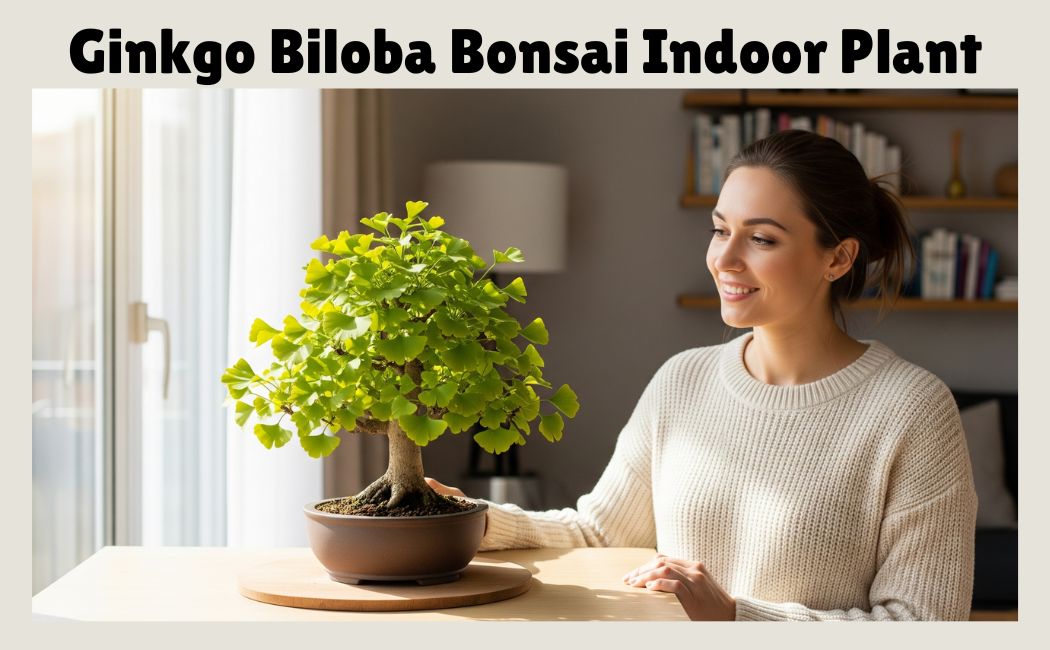
What is the History and Symbolism of Ginkgo Bonsai?
When you care for a Ginkgo biloba bonsai, you’re not just growing a unique dwarf tree; you’re holding a piece of living history. The Maidenhair tree, as it’s often called because of its delicate, fan-shaped ginkgo leaves, first appeared over 200 million years ago in China.
This makes it one of the oldest surviving tree species on Earth. Ancient temples in China and Japan planted ginkgo trees for their beauty, longevity, and spiritual significance, and some of these trees are still alive today.
The name “Ginkgo” comes from a Japanese pronunciation of the Chinese words for silver apricot. The biloba part refers to the two-lobed shape of each leaf. This unique leaf shape is now iconic among bonsai lovers worldwide.
For you as a grower, the Ginkgo bonsai symbolizes more than aesthetics. Across cultures, it represents resilience, hope, strength, and long life. It’s celebrated as a living teacher of patience and mindfulness.
Each season, from spring’s fresh green leaves to autumn’s golden display, reminds you of cycles in life: growth, change, and renewal.
Ginkgo Biloba Bonsai Pros and Cons: Even when you face challenges like slow growth or tricky bonsai pruning, the symbolism of the ginkgo encourages you to persevere.
Displaying a ginkgo bonsai outdoors in your garden or on a balcony brings not only beauty but a connection to history and spirituality that few other bonsai trees can match.
What Makes Ginkgo Bonsai Special?
When you first look at a Ginkgo bonsai, the fan-shaped ginkgo leaves shine like little green fans in spring. By autumn, the whole tree turns golden yellow, a breathtaking show you rarely see in other bonsai plants.
The story of this tree makes it even more special. The Ginkgo biloba, often called a “living fossil”, first appeared over 200 million years ago in China. From there, it spread across Asia and later became a favorite in Europe and North America. Some ancient ginkgo trees in temples are still alive today, which is why many bonsai growers see it as a symbol of strength, resilience, and long life.
If you live in the USA or Canada, this bonsai does best outdoors where it can feel the seasons. It especially thrives in regions with cold winters and warm summers, like the Northeast, Midwest, and parts of Canada such as Ontario or British Columbia. Ginkgo trees need that seasonal change to show their bright fall colors. If you live in hotter states like Texas or Florida, you’ll need to give them some shade in peak summer.
Many new growers ask if a ginkgo bonsai can be kept indoors. The truth is, while you can display it inside for short periods, it’s not an indoor plant. It loves fresh air, full sun, and the rhythm of nature.
If you want a bonsai that sits happily indoors all year, you might be better with a Ficus bonsai or a Chinese Elm. But if you want a tree that feels like caring for a piece of history, the ginkgo is perfect for your outdoor space.
The tree also adapts well to dwarf forms such as ‘Mariken’, which are compact and easier to fit on a balcony or patio. Nurseries like Bonsai Outlet, Eastern Leaf, and Bonsai Boy often carry these, knowing they’re popular among urban growers who still want the seasonal beauty.
With its slow, steady growth, the Ginkgo Biloba Bonsai Pros and Cons don’t just bring color and history. This is why the Maidenhair tree is so loved in bonsai clubs; it brings patience and mindfulness to your day.
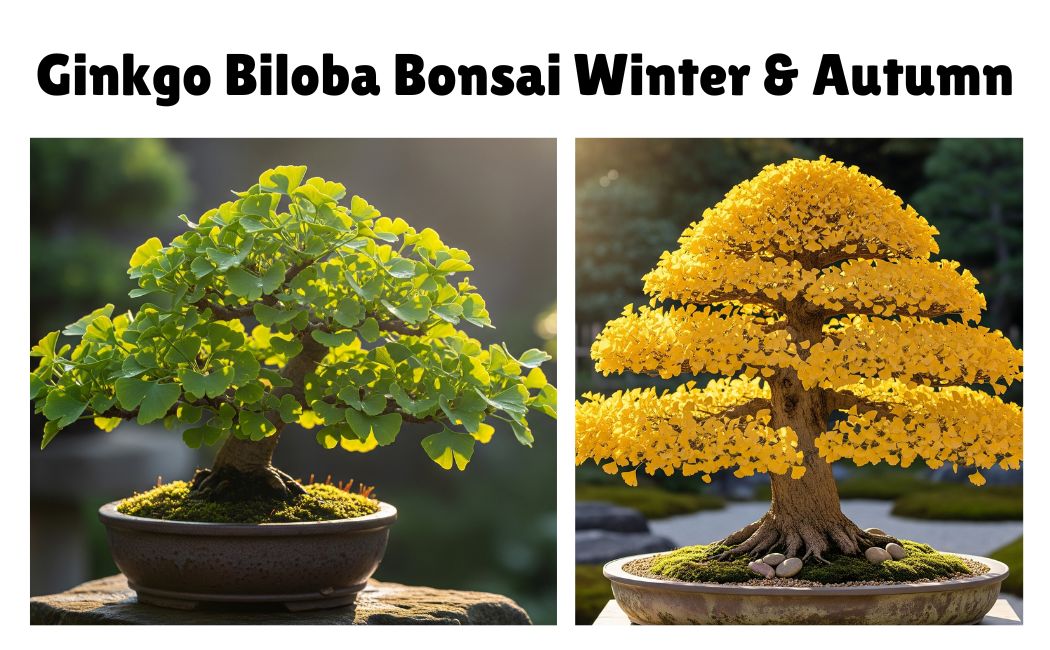
Ginkgo Biloba Bonsai Pros and Cons: A Beginner’s Complete Guide.
| Pros | Cons |
| Historic beauty: Known as the Maidenhair tree, the ginkgo is called a living fossil that survived for over 200 million years. Owning one connects you to ancient history. | Slow growth: Compared to other bonsai plants like juniper or ficus, ginkgo grows slowly, so shaping it into a bonsai requires patience. |
| Unique leaves: The fan-shaped ginkgo leaves turn bright golden yellow in fall, offering seasonal color that few bonsai match. | Seasonal needs: To thrive, ginkgo bonsai must live outdoors in the USA and Canada climates where they can feel both summer heat and winter chill. Not suited as a full-time indoor bonsai. |
| Resilient and hardy: Can handle urban pollution, temperature swings, and pests better than many bonsai trees. | Not fragrant fruit: Female ginkgo trees produce seeds with a strong odor. Most nurseries sell male ginkgo bonsai to avoid this, but you need to check before buying. |
| Long lifespan: With proper bonsai care and pruning, ginkgo bonsai can live for decades or even centuries, much like their full-sized relatives. | Pruning challenge: Ginkgo bonsai pruning requires skill. Branches are brittle, and cuts must be planned carefully to avoid damage. |
| Symbolic meaning: In many cultures, ginkgo stands for strength, hope, and endurance. Bonsai societies like Prairie State Bonsai Society often feature it as “Tree of the Month.” | Limited indoor display: While you can showcase your ginkgo indoors for a few days, it cannot survive long without outdoor light and fresh air. |
| Available for purchase: Widely sold by Bonsai Boy, Bonsai Outlet, Eastern Leaf, and even on Amazon as seeds or pre-trained bonsai. | Price factor: Larger or trained ginkgo bonsai can be costly, especially rare forms like ‘Chi Chi’ or mature dwarf ginkgo trees. |
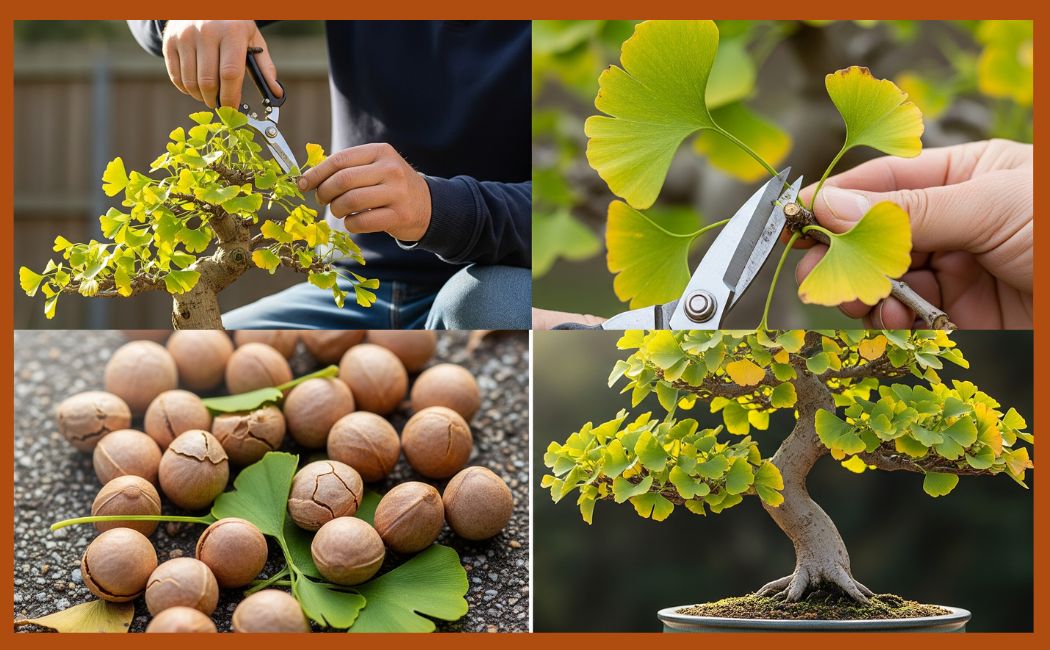
How to Care for a Ginkgo Bonsai?
When styling, pruning ginkgo bonsai can be tricky since the branches are stiff, but resources like the Prairie State Bonsai Society or Miyagi Bonsai Care Guides explain how patience pays off. If you enjoy the clean look of each ginkgo leaf and don’t mind slower shaping, this tree gives you a living fossil right in your pot.
| Care Factor | What to Do | Why It Matters |
| Light | Place your ginkgo bonsai outdoors in full sun for at least 6 hours daily. In hot southern USA regions, give afternoon shade. | Sunlight keeps ginkgo leaves healthy and supports strong growth. Without enough light, the bonsai becomes weak. |
| Watering | Water deeply when the soil starts to dry, but never let it sit in soggy soil. Use well-draining bonsai soil. | Ginkgo roots don’t like waterlogging. Balanced watering prevents root rot and leaf drop. |
| Soil | Use a mix of akadama, pumice, and lava rock, or a well-draining bonsai mix from Mistral Bonsai or Bonsai Outlet. | Proper soil ensures oxygen flow to roots and avoids excess moisture. |
| Temperature | Ginkgo bonsai thrives in regions with cold winters and warm summers (Northeast USA, Midwest, parts of Canada). Protect from frost only when young. | This seasonal rhythm is needed for the tree to show its golden autumn leaves. |
| Pruning | Practice ginkgo bonsai pruning in late spring or early summer. Be gentle, branches are brittle. Remove crossing branches, keep structure simple. | Good pruning maintains shape and airflow while avoiding stress on the tree. |
| Repotting | Repot every 3–5 years in early spring before buds open. Trim roots lightly. | Prevents root binding and refreshes nutrients for long-term health. |
| Fertilizer | Use a balanced bonsai fertilizer (slow-release or liquid) from spring through late summer. Stop in the fall. | Helps with steady growth, stronger ginkgo leaves, and seasonal color. |
| Pests & Diseases | Rarely attacked, but watch for aphids or scale insects. Treat with neem oil or insecticidal soap. | Ginkgo is naturally hardy but still needs occasional checks. |
| Indoor Display | You can bring your bonsai indoors for a few days to showcase, but return it outside quickly. | Ginkgo is not a full indoor bonsai plant. It needs outdoor cycles to thrive. |
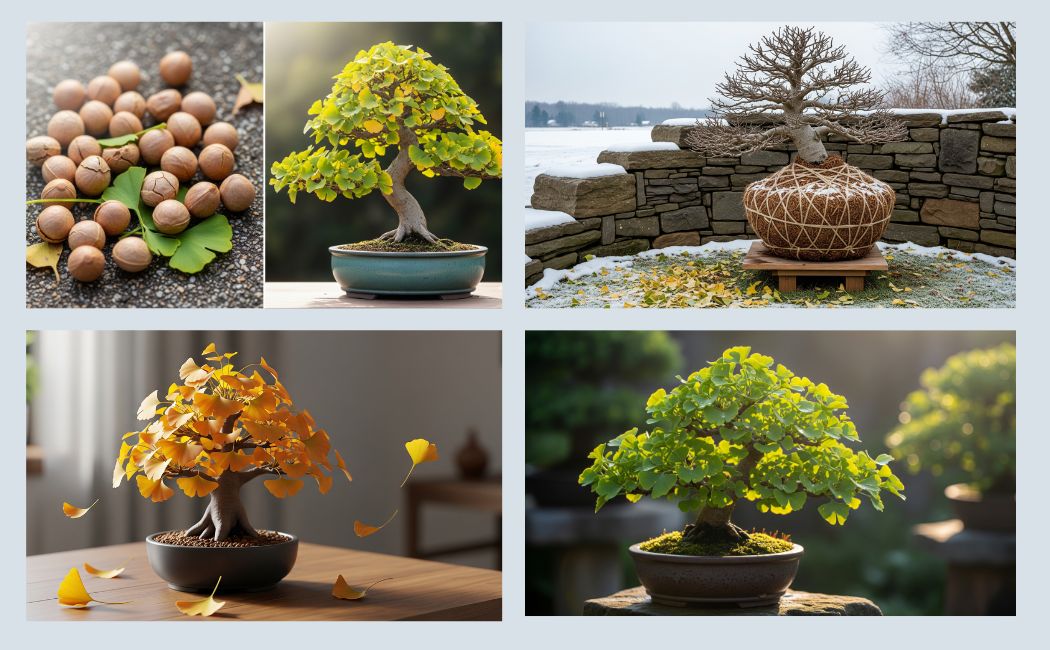
Indoor vs Outdoor Problems and Solutions for Ginkgo Bonsai
Even though Ginkgo biloba bonsai is hardy, growers in the USA and Canada face unique challenges depending on Ginkgo biloba bonsai pros and cons keep the tree indoors or outdoors in its natural setting. Here’s what you need to know:
| Problem | Where It Happens | Why It Happens | Solution |
| Leaf Drop in Summer | Indoors | Not enough sunlight or dry indoor air. | Place bonsai outdoors in full sun; mist ginkgo leaves daily if displayed inside. |
| Weak Growth / Pale Leaves | Indoors | Lack of seasonal cycle and poor light. | Only showcase indoors for a few days. Keep outdoors for real growth. Use grow lights if winters are very dark. |
| Root Rot | Outdoors & Indoors | Overwatering or poor soil drainage. | Use well-draining bonsai soil (akadama, pumice, lava rock). Water only when the topsoil feels dry. |
| Branch Breakage | Outdoors (USA storms, Canada snow) | Ginkgo branches are brittle. Heavy snow, ice, or strong winds cause snaps. | In Canadian winters, wrap young bonsai or move them to an unheated garage/shed to protect the structure. Prune carefully. |
| Winter Frost Damage | Outdoors (Northern USA, Canada) | Young trees can freeze. Older ginkgo bonsai usually handle cold but may suffer dieback. | Protect roots with mulch, bury the pot in soil, or store in a cold frame. In very harsh winters, overwinter in an unheated but frost-free space. |
| Heat Stress | Outdoors (Southern USA, hot summers) | Direct strong sun burns tender leaves. | Provide partial shade in the peak afternoon. Use humidity trays to cool roots. |
| Insects (Aphids, Scale) | Outdoors & Indoors | Pests attack weak bonsai in summer. | Use neem oil, insecticidal soap, or prune affected ginkgo leaves. Keep air circulation strong. |
| Smelly Seeds (Female Trees) | Outdoors (USA/Canada yards) | Female ginkgo produces seeds with a strong odor. | Buy male ginkgo bonsai only (nurseries like Bonsai Boy, Eastern Leaf, and Bonsai Outlet usually sell male trees). |
Ginkgo Biloba Bonsai Pros and Cons and Key Tips for USA & Canada Growers:
- Canadian Cold states/provinces (Minnesota, New York, Ontario, Quebec): keep bonsai outdoors but protect roots in winter.
- In mild coastal zones (California, British Columbia), the ginkgo bonsai grows easily outdoors year-round.
- Hot southern states (Texas, Florida), watch for heat stress, and give shade in the afternoons.
This way, readers instantly know if they can successfully grow ginkgo bonsai in their climate and how to fix problems before they lose the tree.
Buying Guide: Ginkgo Bonsai for Sale
When you’re ready to bring a Ginkgo biloba bonsai into your home or garden, knowing what to look for makes all the difference. Ginkgo biloba bonsai pros and cons. Also, consider the type of bonsai you want:
- Dwarf Ginkgo Bonsai (‘Mariken’): Perfect for small pots, balconies, or patios. It’s compact, easy to manage, and still offers the iconic fan-shaped ginkgo leaves and golden fall color.
- Pre-trained Bonsai (‘Chi Chi’ or larger trained trees): These come already shaped by experts from nurseries like Bonsai Boy, Eastern Leaf, or Bonsai Outlet. You get instant beauty without waiting years for training.
- Seeds / Pre-bonsai: Ideal if you enjoy growing from scratch. You’ll need patience, proper bonsai care, and pruning skills, but the reward is a tree you’ve shaped completely yourself.
Next, pay attention to male vs female trees. Female ginkgo trees produce smelly seeds, so most nurseries sell male ginkgo bonsai to avoid this issue. Always confirm before buying.
Price ranges vary depending on size and training level:
- Small pre-bonsai trees: $20–$50
- Dwarf or medium pre-trained bonsai: $75–$300
- Large or specialty cultivars: $300+
So, ginkgo bonsai is best for outdoor spaces. You can display it indoors for a few days, but it needs sun, fresh air, and seasonal changes to thrive. Consider your climate if you live in the USA or Canada; cold winters and hot summers both require protection.
When shopping, check trusted nurseries and online stores: Bonsai Boy, Bonsai Outlet, Eastern Leaf, Loako, BonsaiStore.co, or even Amazon for seeds. Look for male trees, review shipping policies, and confirm the size before purchase.
Pro Tips for Ginkgo Biloba Bonsai Pros and Cons: For first-time growers, start with a dwarf male ginkgo bonsai in a pre-bonsai pot. This gives you the iconic seasonal colors, manageable size, and fewer problems with seeds or pruning mistakes.
Conclusion: Ginkgo Biloba Bonsai Pros and Cons
Choosing a Ginkgo biloba bonsai is more than just buying a plant. Ginkgo Biloba Bonsai Pros and Cons. It’s inviting a piece of history, beauty, and mindfulness into your life.
With its iconic fan-shaped ginkgo leaves, golden autumn colors, and deep symbolism of resilience, strength, and long life, this bonsai stands out among all bonsai plants.
It connects you to a tree species that first appeared over 200 million years ago in China, giving your garden or balcony a touch of living history.
At the same time, the ginkgo bonsai isn’t for everyone. Its slow growth, brittle branches, and specific outdoor needs in the USA or Canadian climates require patience and proper care.
You also need to choose a male ginkgo to avoid the smelly seeds from female trees and be ready for careful bonsai pruning and seasonal maintenance.
But if you’re willing to invest time and attention, the rewards are immense: a tree that teaches patience, brings seasonal beauty, and symbolizes endurance.
Starting with a dwarf male ginkgo bonsai or a pre-trained bonsai from trusted nurseries like Bonsai Boy, Eastern Leaf, or Bonsai Outlet makes the journey easier.
In short, Ginkgo Biloba Bonsai Pros and Cons, and the ginkgo dwarf plant is perfect for anyone who values history, patience, and seasonal charm, and who wants a living piece of nature that inspires mindfulness every day.
Helpful article topic: How to Choose the Right Bonsai Tools for Beginners? Pruning Wiring & Root Care.
FAQs: Ginkgo Biloba Bonsai Pros and Cons.
1. Can a Ginkgo bonsai be kept indoors?
You can display it indoors for short periods, but this bonsai thrives outdoors. It needs full sun, fresh air, and seasonal changes to stay healthy. For long-term indoor growth, consider trees like Ficus bonsai instead.
2. How fast does a Ginkgo bonsai grow?
Ginkgo bonsai grows slowly compared to other bonsai plants. You’ll need patience for branch thickening and canopy development, but the slow pace teaches mindfulness and careful care.
3. What is the lifespan of a Ginkgo bonsai?
With proper care, Ginkgo biloba bonsai can live for decades or even centuries. These trees are called “living fossils” for a reason!
4. How do I prune a Ginkgo bonsai?
Use gentle pruning in late spring or early summer. Focus on removing crossing branches and maintaining airflow. Be careful, branches are brittle, so always follow proper bonsai pruning techniques.
5. Do I need a male or female tree?
Most growers prefer male ginkgo bonsai because female trees produce seeds with a strong odor. Nurseries like Bonsai Boy, Eastern Leaf, and Bonsai Outlet usually sell male trees.
6. Can Ginkgo bonsai survive winter in the USA or Canada?
Yes, but young bonsai need protection from frost. Mulch the roots, bury pots partially in soil, or use an unheated shed or cold frame. Mature trees are hardy but still benefit from seasonal care.
7. How do I water a Ginkgo bonsai?
Water deeply when the topsoil feels dry, and always ensure your pot has good drainage. Avoid soggy soil to prevent root rot.
8. What soil is best for a Ginkgo bonsai?
Use a well-draining bonsai mix, such as akadama, pumice, and lava rock. Proper soil ensures that oxygen flows to the roots and prevents waterlogging.
9. Where can I buy Ginkgo bonsai?
Trusted sources include Bonsai Boy, Bonsai Outlet, Eastern Leaf, Loako, BonsaiStore.co, and Amazon (for seeds). Always check if the bonsai is male and the size is suitable for your space.
10. Why is the Ginkgo bonsai special?
Ginkgo Biloba Bonsai Pros and Cons. Its Maidenhair tree leaves, golden fall colors, and history as a 200-million-year-old species make it unique. Beyond beauty, it symbolizes resilience, longevity, and mindfulness, offering more than just decoration.