


The best artificial bonsai trees 2026 look more realistic than ever before. Modern faux bonsai designs now use textured resin trunks, ceramic pots, lifelike artificial moss, and soft PE (polyethylene) leaves that closely copy the beauty of real bonsai trees.
Many even follow classic Japanese Zen décor styles that fit beautifully into modern homes, office desks, shelves, and small apartments.
If you love the peaceful look of bonsai but do not want the hard work that comes with watering, pruning, repotting, or sunlight care, artificial bonsai trees can be a simple solution.
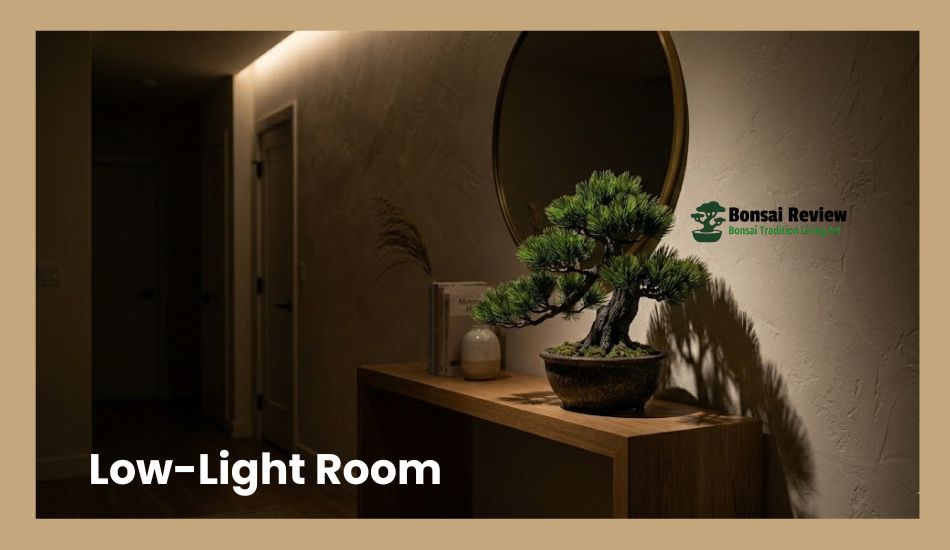
They stay green all year, need almost no maintenance, and work well in low-light rooms where real bonsai may struggle to survive.
Today’s fake bonsai trees are also made for many decorating styles. You can find compact faux juniper bonsai for office desks, minimalist pine bonsai for floating shelves, and premium artificial bonsai plants that look elegant on coffee tables or entryways.
But not every option looks realistic. Some cheap models use shiny plastic leaves, weak trunks, or unnatural colors that instantly feel fake.
In this guide, you’ll discover the best artificial bonsai trees 2026, including realistic options for home décor, office spaces, and modern indoor styling.
You’ll also learn what materials, shapes, and design details make a faux bonsai tree look truly premium before you buy one.
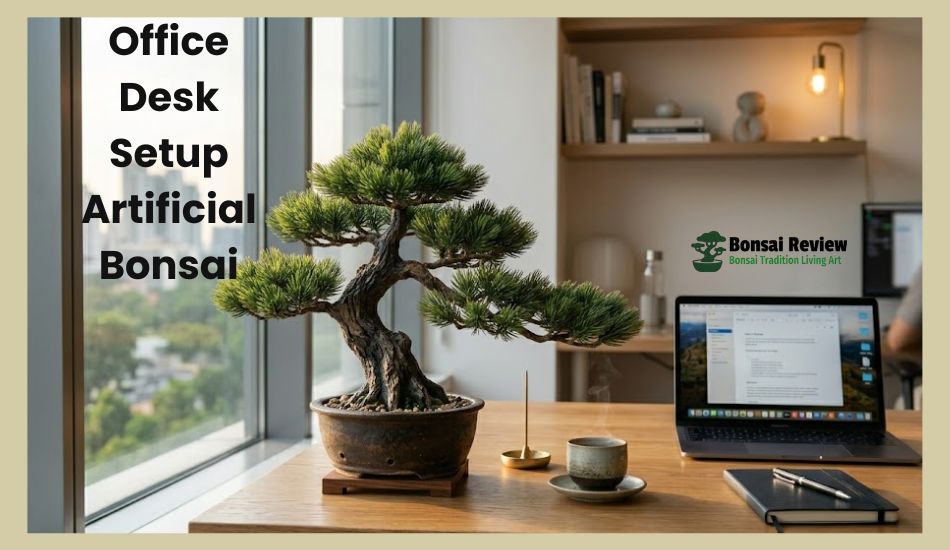
What Makes an Artificial Bonsai Tree Look Realistic?
Not every artificial bonsai tree looks premium or natural. Some fake bonsai plants can instantly look cheap because of shiny leaves, weak trunks, or poor-quality materials.
If you want a faux bonsai that truly improves your home or office décor, you need to know which details create a realistic appearance.
One of the most important features is the leaf material. High-quality artificial bonsai trees often use PE (polyethylene) foliage instead of thin plastic or glossy polyester leaves.
PE leaves usually have a softer texture, natural color variation, and a more lifelike shape that closely copies real bonsai foliage.
Cheap fake bonsai plants often use bright green plastic leaves that reflect too much light and look unnatural indoors.
The trunk design also matters a lot. Real bonsai trees have rough bark, bends, texture, and natural movement. Better artificial bonsai trees use textured resin trunks that imitate the look of aged bonsai bark.
Some premium faux bonsai even include realistic root details near the base to create a more authentic Japanese bonsai appearance.
Another important detail is the branch structure. Good artificial bonsai trees often use flexible wire branches hidden inside the design.
This allows you to gently shape the canopy and create a more natural bonsai silhouette. Stiff branches usually make fake bonsai look flat and artificial.
The pot can also change the entire look of the bonsai. Ceramic pots, stone-finish planters, and textured resin containers usually feel more premium than lightweight plastic pots.
Many realistic artificial bonsai trees also include artificial moss around the base to copy the appearance of real bonsai soil surfaces.
Color balance is another key factor. Real bonsai trees rarely have one solid green shade. Natural-looking faux bonsai often mix dark green, soft green, brown, and lighter foliage tones to create depth and realism. This small detail helps the plant blend naturally into minimalist décor, Zen-inspired interiors, and modern office spaces.
Size matters too. Oversized fake bonsai trees can sometimes look less believable indoors. Compact bonsai styles often feel more realistic on shelves, desks, coffee tables, and entryway décor because they copy the proportions of real miniature bonsai trees.
When you combine realistic foliage, textured bark, flexible branches, natural colors, ceramic pots, and quality craftsmanship, an artificial bonsai tree can look surprisingly close to a living bonsai without needing any maintenance.
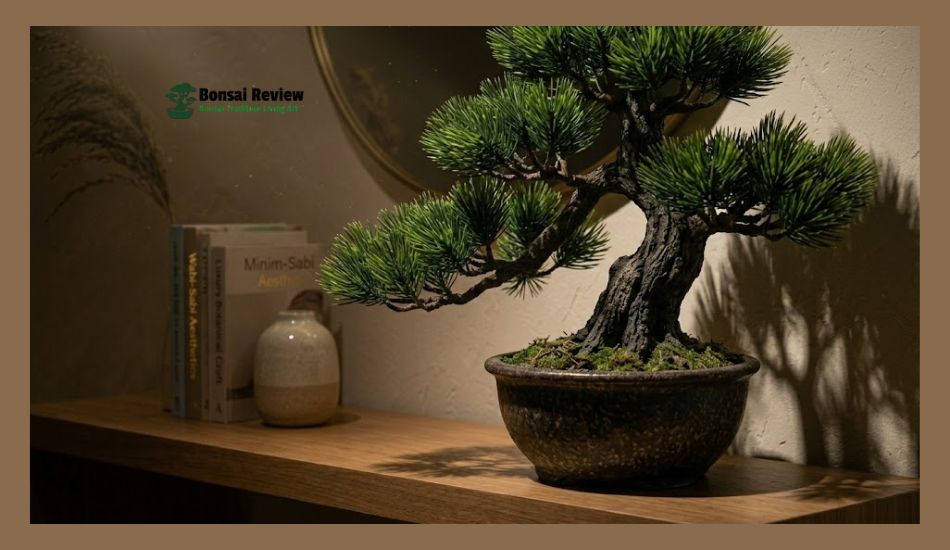
Why Are Artificial Bonsai Trees So Popular in 2026?
Artificial bonsai trees have become much more popular in 2026 because people want beautiful indoor greenery without the stress of plant care.
Many homes today have small spaces, limited sunlight, busy schedules, and dry indoor air that make real bonsai difficult to maintain.
Faux bonsai trees solve those problems while still bringing a calm and natural feeling into a room.
One big reason people choose artificial bonsai is convenience. Real bonsai trees need regular watering, pruning, wiring, repotting, and careful sunlight control. Missing even a few days of care can damage some bonsai species.
Artificial bonsai trees stay green every day without dropping leaves or drying out. This makes them perfect for office desks, apartments, dorm rooms, waiting areas, and modern workspaces.
Another reason is realism. Older fake plants often looked shiny and cheap, but modern artificial bonsai trees now use realistic PE foliage, textured resin bark, flexible wire branches, and ceramic planters that closely copy real bonsai styles.
Some even imitate popular bonsai varieties like juniper bonsai, pine bonsai, ficus bonsai, and maple bonsai.
Interior design trends also play a big role. Minimalist décor, Japanese Zen styling, and nature-inspired interiors have become very popular in modern homes.
A small faux bonsai tree fits easily on floating shelves, coffee tables, side tables, and entryway consoles without taking up much space.
Many people also use artificial bonsai as a low-maintenance alternative to indoor plants in rooms with little natural light.
For pet owners and busy workers, fake bonsai trees can also feel safer and easier to manage. You do not need fertilizer, soil care, pest treatment, or special humidity control. A quick dust cleaning every few weeks is usually enough to keep them looking fresh.
Because of these benefits, artificial bonsai trees are no longer seen as cheap decorations. In 2026, many realistic faux bonsai designs are now treated as stylish home décor pieces that combine greenery, simplicity, and modern interior design.
Which Are the Best Artificial Bonsai Trees to Buy in 2026?
Choosing the best artificial bonsai tree depends on where you plan to place it, how realistic you want it to look, and which interior style fits your space. Some faux bonsai trees work better for office desks, while others look more elegant in living rooms, entryways, or minimalist shelf décor.
Below are some of the best artificial bonsai styles people are choosing in 2026 for realistic indoor decoration and low-maintenance greenery.
1. Artificial Juniper Bonsai Tree Best Overall Realistic Look
Artificial juniper bonsai trees remain one of the most popular choices because they closely copy the appearance of real bonsai. Their layered foliage, twisted trunk design, and natural green tones create a classic Japanese bonsai look that works well in almost any room.
Most premium faux juniper bonsai trees use PE foliage, textured resin bark, and artificial moss to improve realism. They fit beautifully on office desks, floating shelves, side tables, and reading corners.
| Best for: Artificial Juniper Bonsai Tree | Pros: Artificial Juniper Bonsai Tree | Cons: Artificial Juniper Bonsai Tree |
| Office desk décor | Natural bonsai shape | Cheap versions may use shiny leaves |
| Zen-inspired interiors | Realistic branch structure | Small models can collect dust quickly |
| Minimalist homes | Easy to match with modern décor | |
| Small apartments | Compact size for small spaces |
2. Artificial Pine Bonsai Tree Best for Japanese Zen Décor
Artificial pine bonsai trees are known for their calm and elegant appearance. Their layered canopy and dark green foliage fit perfectly into Japanese-inspired interiors, meditation rooms, and peaceful home setups.
Many realistic pine bonsai designs include curved trunks, ceramic planters, and wire-supported branches that create a handcrafted bonsai look. Premium versions often feel more artistic and decorative than standard fake plants.
| Best for: Artificial Pine Bonsai Tree | Pros: Artificial Pine Bonsai Tree | Cons: Artificial Pine Bonsai Tree |
| Zen décor | Elegant bonsai silhouette | Premium models can cost more |
| Meditation spaces | Works well in neutral interiors | Oversized styles may look less natural indoors |
| Coffee table styling | Timeless Japanese aesthetic | |
| Entryway decoration | Low-maintenance decoration |
3. Faux Ficus Bonsai Tree Best for Modern Office Spaces
Artificial ficus bonsai trees usually have fuller foliage and softer shapes compared to juniper or pine bonsai. This makes them popular for modern offices, reception desks, workspaces, and contemporary homes.
Their rounded canopy helps soften indoor spaces that feel too plain or empty. Many faux ficus bonsai trees also use realistic trunk textures and ceramic pots that blend easily with modern furniture.
| Best for: Faux Ficus Bonsai Tree | Pros: Faux Ficus Bonsai Tree | Cons: Faux Ficus Bonsai Tree |
| Office reception areas | Fuller greenery appearance | Some low-cost models look overly bright |
| Modern apartments | Softer modern style | Dense foliage can trap dust |
| Work-from-home desks | Easy to style in many rooms | |
| Contemporary décor | Realistic indoor plant look |
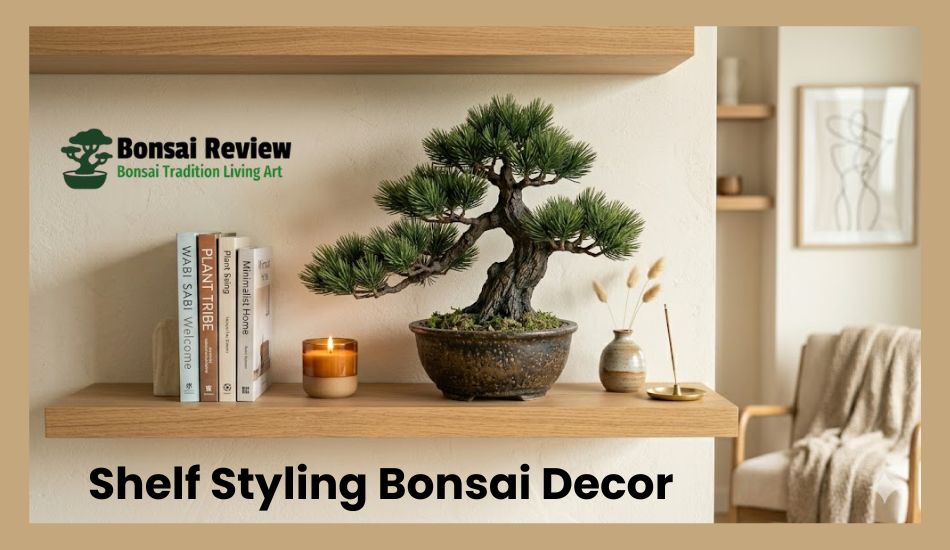
4. Mini Artificial Bonsai Tree Best for Small Shelves and Desks
Mini artificial bonsai trees are perfect for tiny spaces where large plants feel crowded. These compact faux bonsai designs work well on bookshelves, study desks, bedside tables, and small floating shelves.
Many people choose mini bonsai décor because it adds greenery without overwhelming the room. Small bonsai trees also fit well with minimalist interior design trends popular in 2026.
| Best for: Mini Artificial Bonsai Tree | Pros: Mini Artificial Bonsai Tree | Cons: Mini Artificial Bonsai Tree |
| Small apartments | Space-saving size | Very cheap models may look toy-like |
| Bookshelves | Affordable pricing | Small details may appear less realistic up close |
| Study desks | Easy to move and style | |
| Bedroom décor | Great for minimalist setups |
5. Premium Ceramic Pot Bonsai Best Luxury Faux Bonsai Style
Premium artificial bonsai trees with ceramic planters usually look more expensive and realistic than plastic-based designs. The heavier pot adds stability and improves the overall presentation.
These faux bonsai trees often include textured bark, layered foliage, artificial moss, and handcrafted branch placement that create a more authentic bonsai appearance.
| Best for Premium Ceramic Pot Bonsai | Pros: Premium Ceramic Pot Bonsai | Cons: Premium Ceramic Pot Bonsai |
| Luxury home décor | Premium realistic appearance | Higher price range |
| Living room styling | Better overall craftsmanship | Heavier than lightweight models |
| Entryway display | Durable decorative design | |
| High-end office décor | Elegant indoor centerpiece |
How Do You Choose the Right Artificial Bonsai Tree for Your Space?
The best artificial bonsai tree should match your room size, décor style, lighting conditions, and daily lifestyle. A bonsai that looks perfect in a modern office may not fit well in a cozy living room or small bedroom shelf.
Choosing the right faux bonsai carefully helps your space feel more natural, balanced, and realistic.
One of the first things you should check is size. Small artificial bonsai trees work best for office desks, floating shelves, bedside tables, and study corners. They add greenery without making the area feel crowded.
Larger bonsai designs usually work better as living room centerpieces, entryway decorations, or coffee table accents where they have more open space around them.
Your interior style also matters. If your home uses minimalist décor, Japanese Zen styling, or neutral furniture colors, artificial pine bonsai and juniper bonsai trees often blend beautifully with the room.
Their soft green tones and natural branch shapes create a calm and balanced appearance. For modern apartments or workspaces, faux ficus bonsai trees usually match contemporary interiors more easily because of their fuller foliage and softer shape.
Material quality is another major factor. Realistic artificial bonsai trees often use PE foliage, textured resin trunks, ceramic planters, and artificial moss. These details help the bonsai look more natural under indoor lighting.
Low-quality fake bonsai trees sometimes feature shiny plastic leaves or lightweight pots, which immediately reduce realism.
You should also think about placement before buying. A bonsai placed near a bright window may need UV-resistant materials to prevent fading over time.
For bookshelves or narrow desks, compact bonsai designs with smaller ceramic pots usually look cleaner and more balanced.
In larger rooms, medium-sized faux bonsai trees can help fill empty corners without needing maintenance.
Cleaning is important too. Artificial bonsai trees with very dense foliage can collect dust faster, especially in office spaces or near windows. Simpler branch structures are often easier to maintain with a microfiber cloth or soft brush.
If you have pets or children, stable ceramic pots can also help prevent tipping. Some people prefer lightweight faux bonsai for easy movement, while others choose heavier decorative planters for a more premium appearance.
The best artificial bonsai tree is not only about realism. It should also fit naturally into your daily life, room layout, and decorating style while giving you the peaceful look of a bonsai without the work of caring for a real tree.
Are Artificial Bonsai Trees Better Than Real Bonsai for Indoor Décor?
Artificial bonsai trees and real bonsai trees both bring beauty into indoor spaces, but they work very differently in daily life. The better option depends on your lifestyle, available time, home environment, and decorating goals.
Real bonsai trees offer a living connection to nature. Many people enjoy watering, pruning, shaping branches, and caring for a bonsai over many years.
A healthy bonsai tree can become a long-term hobby and a peaceful, creative activity.
Popular species like juniper bonsai, ficus bonsai, jade bonsai, and pine bonsai each need different levels of sunlight, humidity, watering, and maintenance.
For experienced plant lovers, real bonsai can feel rewarding. But indoor bonsai care is often harder than many beginners expect. Poor sunlight, dry indoor air, overwatering, root rot, and missed pruning can quickly damage a real bonsai tree.
Some bonsai species may also struggle inside apartments or offices without proper light and airflow.
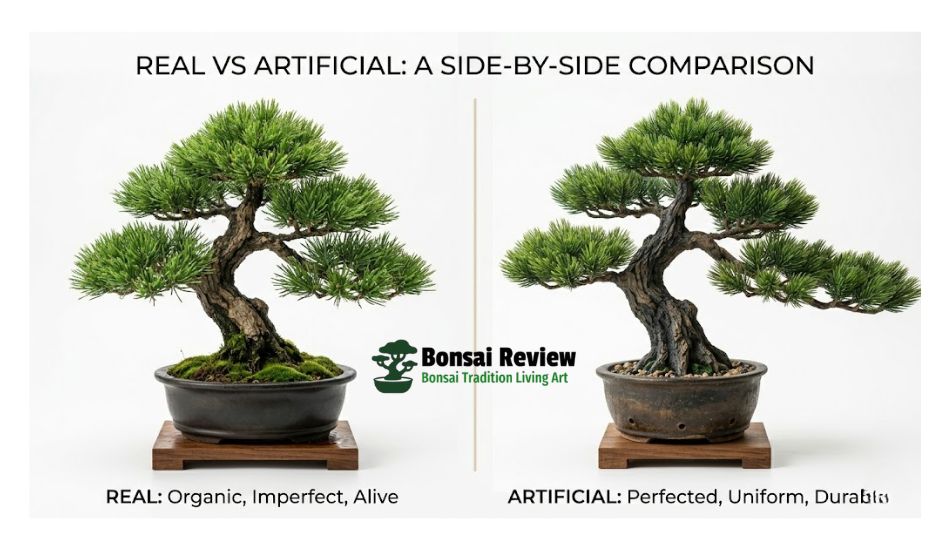
Artificial bonsai trees solve many of these problems. They stay green all year, need no watering, no pruning, and no sunlight. This makes them ideal for busy workers, small apartments, dorm rooms, office desks, waiting areas, and low-light rooms where real bonsai may not survive well.
Modern faux bonsai trees have also improved greatly in realism. Many now use textured resin trunks, PE foliage, ceramic pots, and artificial moss that closely imitate the appearance of real bonsai.
From a short distance, premium artificial bonsai trees can look surprisingly natural in modern home décor.
Below is a simple comparison of the best artificial bonsai trees 2026 to help you understand the difference more clearly.
| Feature | Real Bonsai Tree | Artificial Bonsai Tree |
| Watering Needed | Yes | No |
| Pruning Required | Yes | No |
| Sunlight Needs | Important | Not needed |
| Maintenance Level | High | Very low |
| Lifespan | Can last decades | Long-lasting décor |
| Pet Safety | Depends on species | Usually safer |
| Real Natural Growth | Yes | No |
| Office Friendly | Sometimes difficult | Very easy |
| Beginner Friendly | Can be challenging | Very easy |
| Low-Light Rooms | Often difficult | Works well |
The best artificial bonsai trees 2026 are usually the better choice if you mainly want indoor decoration without stress or plant care. They work especially well for people who travel often, work long hours, or struggle to keep real plants healthy.
Real bonsai trees are often better for people who enjoy gardening, patience, and the art of bonsai cultivation itself.
In 2026, many homeowners will use both together. Some people keep a real bonsai in a bright window area while using realistic faux bonsai trees in darker rooms, offices, shelves, or entryways where maintenance would be difficult.
How Can You Style Artificial Bonsai Trees in Your Home or Office?
Artificial bonsai trees look best when they feel naturally connected to the room around them. A well-placed faux bonsai can make a space feel calmer, cleaner, and more balanced without needing the maintenance of a real plant.
In 2026, many interior design trends use artificial bonsai trees as decorative accents for minimalist homes, office desks, Zen-inspired spaces, and modern apartments.
One of the easiest places to style a faux bonsai tree is on an office desk. A compact artificial juniper bonsai or mini pine bonsai can soften the look of computer screens, paperwork, and work equipment. Small bonsai trees work especially well in work-from-home setups because they add greenery without taking up too much space.
Floating shelves are another popular location. A small artificial bonsai placed beside books, candles, or framed art can create a balanced and organized look. Bonsai trees with ceramic pots and textured trunks usually blend beautifully into minimalist shelf styling because they add natural texture without making the shelf feel crowded.
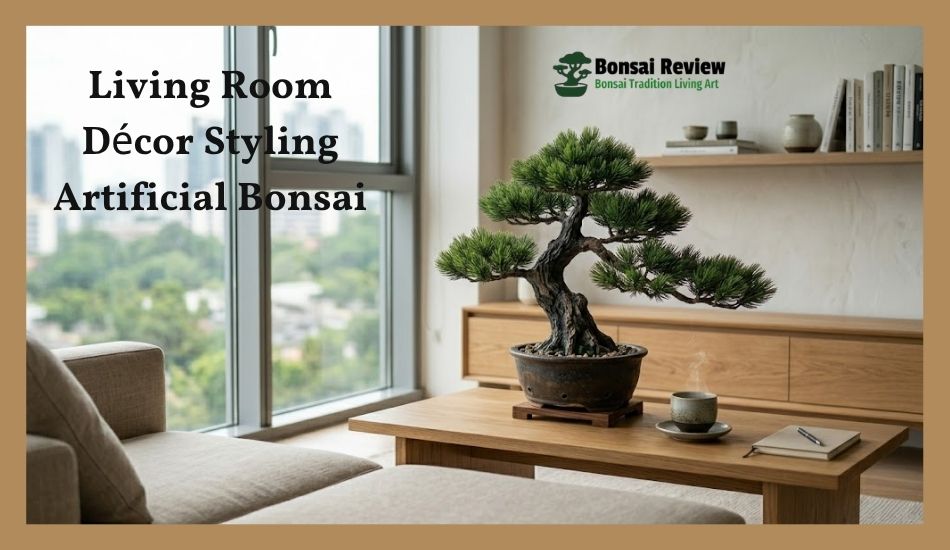
Coffee tables also work well for medium-sized faux bonsai trees. In modern living rooms, a realistic bonsai can become a calm visual centerpiece beside books, trays, or decorative stones.
Bonsai designs with artificial moss and natural green foliage often match neutral furniture colors, wood textures, and Japanese-inspired interiors.
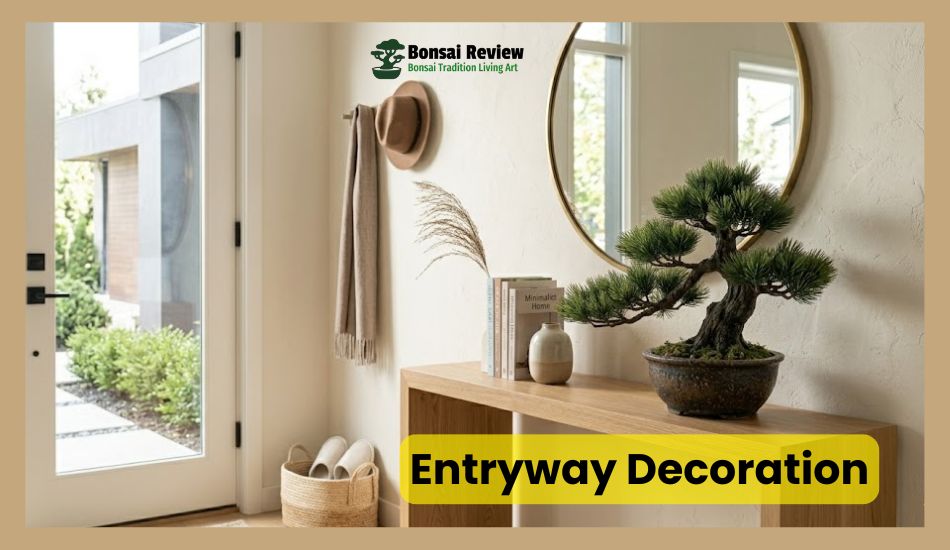
Entryways are another smart location for artificial bonsai décor. A realistic faux bonsai near the front door can make a home feel more welcoming and peaceful.
Many people use taller bonsai styles on entryway consoles or side tables to create a clean and elegant first impression.
Artificial bonsai trees can also improve low-light spaces where real plants usually struggle. Bathrooms, hallway corners, apartments with limited sunlight, and small studio rooms often benefit from maintenance-free greenery.
Faux bonsai trees help these spaces feel more alive without needing grow lights or window exposure.
To make an artificial bonsai look more realistic, avoid placing it alone in an empty area. Surrounding it with natural materials like wooden trays, stone décor, linen textures, or neutral-colored furniture can help the bonsai blend naturally into the room.
You should also avoid overcrowding your décor. Bonsai styling works best when the space feels calm and balanced. A single well-placed faux bonsai tree often looks more elegant than several artificial plants grouped.
With the right placement, lighting, and décor balance, an artificial bonsai tree can bring the peaceful appearance of traditional bonsai into almost any indoor space without the daily care that real bonsai requires.
What Mistakes Should You Avoid When Buying an Artificial Bonsai Tree?
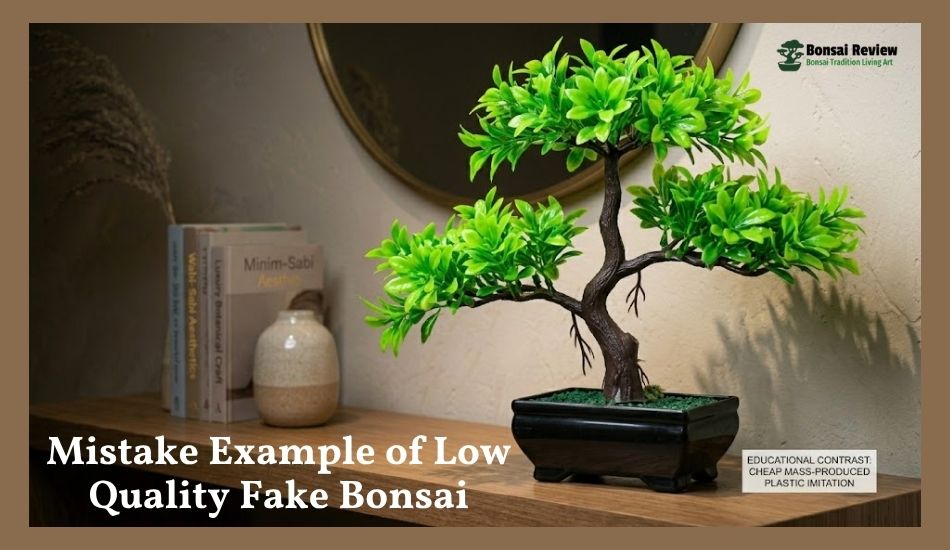
Many artificial bonsai trees look beautiful in online photos but disappointing in real life. Some use cheap materials, unrealistic colors, or poor craftsmanship that instantly make the bonsai look fake indoors.
If you want a faux bonsai tree that truly improves your home or office décor, it is important to know the most common buying mistakes before choosing one.
1. Overly shiny plastic leaves:
One of the biggest mistakes is buying a bonsai. Real bonsai foliage usually has a soft texture and natural color variation.
Glossy leaves often reflect indoor light in an unnatural way that makes the entire plant feel cheap. High-quality artificial bonsai trees normally use PE foliage or textured materials that look more realistic from different angles.
2. Ignoring the trunk quality:
Another common mistake is that many low-cost fake bonsai trees use smooth plastic trunks without bark texture, curves, or root detail. Real bonsai trees have natural movement, aged bark patterns, and uneven shapes. A textured resin trunk with realistic bends usually creates a much more authentic bonsai appearance.
3. Choosing the wrong pot size is another problem.
Oversized pots can make small faux bonsai trees look unbalanced and unrealistic. Lightweight plastic containers may also reduce the premium feel of the décor. Ceramic planters, stone-finish pots, and textured bonsai containers usually create a more elegant and natural look.
4. Some buyers also focus only on leaf density.
Very thick foliage can sometimes hide the branch structure completely and make the bonsai look artificial. Real bonsai trees usually have visible branch spacing, shape, and airflow between foliage pads. Balanced branch design often looks more realistic than extremely crowded greenery.
5. Ignoring room size is another mistake many people make.
Large artificial bonsai trees may overpower small shelves, desks, or apartments. Compact bonsai designs often work better in modern indoor spaces because they copy the proportions of traditional bonsai more naturally.
6. Cheap artificial moss can also reduce realism.
Bright neon-green moss or foam surfaces often look unnatural indoors. Better faux bonsai trees usually use darker artificial moss with more texture and natural color variation around the base.
7. Some people forget to check cleaning needs before buying.
Bonsai trees with very dense foliage may collect dust faster, especially near windows, workspaces, or air vents. Simpler designs with flexible branches are often easier to clean and maintain over time.
8. Another serious mistake is buying based only on photos.
Some online product images use heavy editing, bright filters, or unrealistic lighting. Reading user reviews and checking close-up images of the foliage, trunk texture, and ceramic pot can help you avoid low-quality faux bonsai designs.
The best artificial bonsai trees usually balance realism, size, craftsmanship, and décor compatibility. A well-made faux bonsai should blend naturally into your room instead of looking like a cheap plastic decoration.
Conclusion: Best Artificial Bonsai Trees 2026: Top Fake Bonsai for Modern Home Décor.
Artificial bonsai trees have become a simple way to enjoy natural beauty without the hard work of plant care. In 2026, these faux bonsai designs are no longer just basic decorations.
They now use realistic materials, better shaping, and thoughtful design details that can closely match real bonsai trees when placed in the right setting.
If you want a calm, green touch in your home or office but do not have time for watering, pruning, or sunlight management, artificial bonsai trees can be a practical choice. They work well in almost any indoor space, especially in rooms with low light, busy work schedules, or limited space for real plants.
The most important lesson is not just choosing a bonsai, but choosing the right one. A realistic artificial bonsai tree should have natural color tones, textured bark, balanced branches, and a well-designed pot.
When these elements come together, the result is a décor piece that feels peaceful and visually pleasing instead of artificial or cheap.
You also saw that placement matters a lot. A small faux bonsai can improve the look of an office desk, while a medium one can become a soft centerpiece in a living room or entryway.
When styled properly, even a simple artificial bonsai can change the mood of a room.
The best artificial bonsai tree is the one that fits your space, matches your décor style, and makes your environment feel more relaxed without adding extra work to your daily life.
Most relevant article: What Are the Best Artificial Bonsai Trees Under $50 for Beginners?
FAQs About Artificial Bonsai Trees 2026.
1. Are artificial bonsai trees worth buying in 2026?
Yes, artificial bonsai trees are worth buying if you want natural-looking indoor décor without plant care. In 2026, many faux bonsai designs use realistic materials like PE leaves, textured resin trunks, and ceramic pots, which make them look close to real bonsai from a normal viewing distance.
2. Do artificial bonsai trees look real?
High-quality artificial bonsai trees can look very realistic when made with proper materials. The most natural-looking ones use mixed green tones, detailed bark texture, flexible branches, and artificial moss. Cheap models may still look fake due to shiny plastic leaves or poor shaping.
3. Where should you place an artificial bonsai tree?
You can place artificial bonsai trees in many indoor spaces, such as office desks, living room tables, shelves, entryways, bedrooms, and study corners. They also work well in low-light rooms where real plants usually do not survive.
4. How do you clean artificial bonsai trees?
Cleaning is simple. You can use a soft microfiber cloth, a small brush, or light air dusting. For deeper cleaning, gently wipe the leaves and trunk. Avoid strong chemicals because they may damage color or texture over time.
5. How long do artificial bonsai trees last?
Good-quality artificial bonsai trees can last for many years. Their lifespan depends on material quality and placement. If kept away from direct sunlight and cleaned occasionally, they can maintain their appearance for a long time.
6. What is the best material for realistic artificial bonsai trees?
The most realistic faux bonsai trees usually use PE (polyethylene) foliage, resin or textured trunks, ceramic pots, and artificial moss. These materials together create a more natural and premium appearance compared to simple plastic designs.
7. Are artificial bonsai trees good for office spaces?
Yes, they are perfect for office spaces. They require no watering, no sunlight, and no maintenance. They also help improve the visual comfort of work areas by adding a calm, green element to desks, reception areas, and meeting rooms.
8. Can artificial bonsai trees be used in bathrooms or low-light rooms?
Yes, artificial bonsai trees are ideal for low-light spaces like bathrooms, hallways, and windowless rooms. Since they do not depend on sunlight or humidity, they stay fresh-looking in any indoor environment.