


Drake Elm Tree Problems in the USA face challenges related to their invasive nature, weak wood, and susceptibility to certain diseases. Drake Elm trees (Ulmus parvifolia ‘Drake‘) are primarily outdoor plants in the USA.
While they can be grown as bonsai indoors, their natural habitat and best growth are achieved outdoors in a landscape setting. Grow the Chinese Elm species across the United States in USDA hardiness zones 6-10.
It is widely adaptable to a wide range of soil conditions, but moist, well-draining soil is preferred. thrive outdoors in various conditions and climates.
While they offer shade and are relatively resistant to some elm diseases, their tendency to self-seed and their brittle branches can be problematic.
If your Drake Elm tree (Ulmus parvifolia ‘Drake’) is dropping leaves, turning yellow, or looking weak. Many homeowners across the USA face the same worries.
This fast-growing shade tree is known for its graceful branches and tough nature, but it can still suffer from pests, diseases, poor soil, and climate stress.
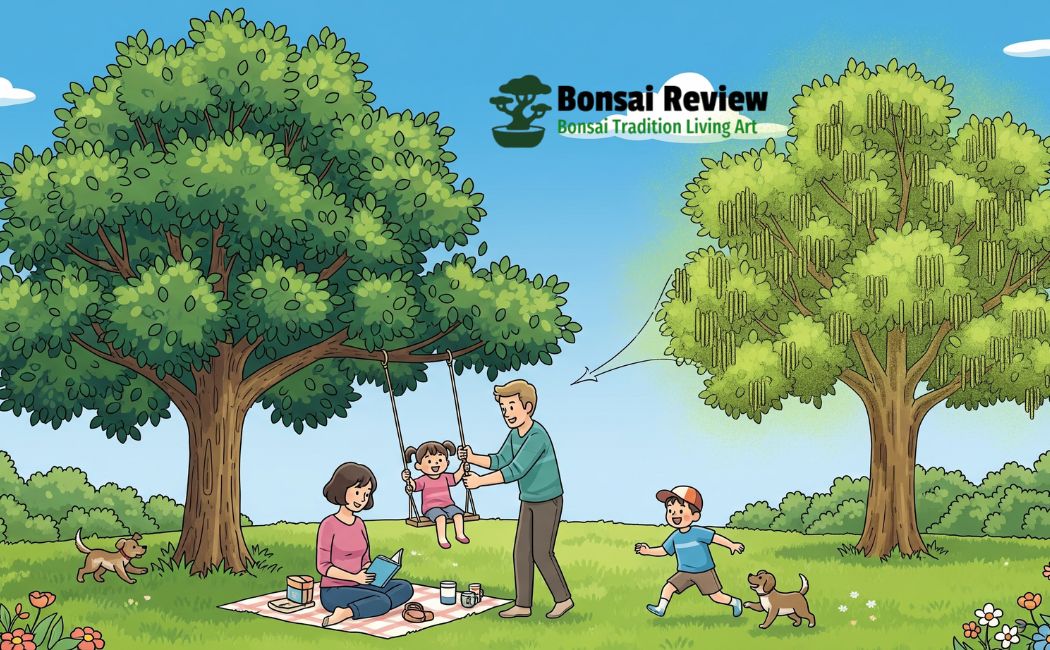
Common Problems of Drake Elm Trees in the USA.
Most Drake Elm problems, like aphids, spider mites, powdery mildew, root rot, and weak branching, can be fixed or prevented once you spot the signs early.
How to identify common problems, treat them quickly, and keep your Drake Elm healthy in U.S. conditions.
| Problem | What Happens | Why It Matters | Entity Notes |
| Invasive Tendencies | Drake Elm produces many seedlings that sprout far from the parent tree. | They compete with grass, flowers, or other landscape plants and spread like weeds. | Self-seeding, invasive behavior. |
| Weak Wood | Branches often snap during strong winds, heavy snow, or ice. | Falling limbs can damage property, cars, or people. | Brittle wood, storm damage. |
| Surface Roots | Roots grow close to the soil surface. | They can lift sidewalks, driveways, and disturb lawns. | Root spread, infrastructure damage. |
| Pollen Allergies | Elm trees release pollen in spring. | It can trigger hay fever symptoms in sensitive people. | Allergy trigger, respiratory irritation. |
| General Stress | Poor soil drainage or drought stress weakens trees. | Makes them more prone to pests and diseases. | Soil conditions, drought sensitivity. |
Which Kind of Disease Issues affect Drake Elm in the USA?
Even though the Drake Elm (Ulmus parvifolia ‘Drake’) is more resistant to disease than the American Elm (Ulmus americana), it can still suffer from several health problems in U.S. landscapes. These diseases often weaken the tree over time, making it more vulnerable to pests and storm damage.
1. Dutch Elm Disease (DED): Drake Elm trees (Ulmus parvifolia) in the USA.
The most serious threat to all elms is Dutch Elm Disease, caused by the fungi Ophiostoma ulmi and Ophiostoma novo-ulmi. The disease spreads when elm bark beetles (Scolytus multistriatus and Hylurgopinus rufipes) carry the fungus into healthy trees. Early symptoms include leaf wilting, yellowing, and branch dieback, often forming the classic “shepherd’s crook” pattern. While the Drake Elm has better resistance than the American Elm, no elm is completely safe. Without quick action, DED can eventually kill the tree.
2. Canker Diseases: Drake Elm Tree Problems in the USA.
Canker fungi invade through wounds in the bark, leaving sunken lesions that can girdle branches and stop nutrient flow. These infections often show up after pruning injuries or storm damage, especially if the tree is already stressed by poor soil or drought.
3. Anthracnose: Drake Elm Tree Problems in the USA.
Anthracnose is a fungal disease that causes dark, irregular spots on leaves. Severe infections can lead to premature defoliation in spring and summer, weakening the tree’s ability to store energy for growth.
4. Powdery Mildew: Drake Elm Tree Problems in the USA
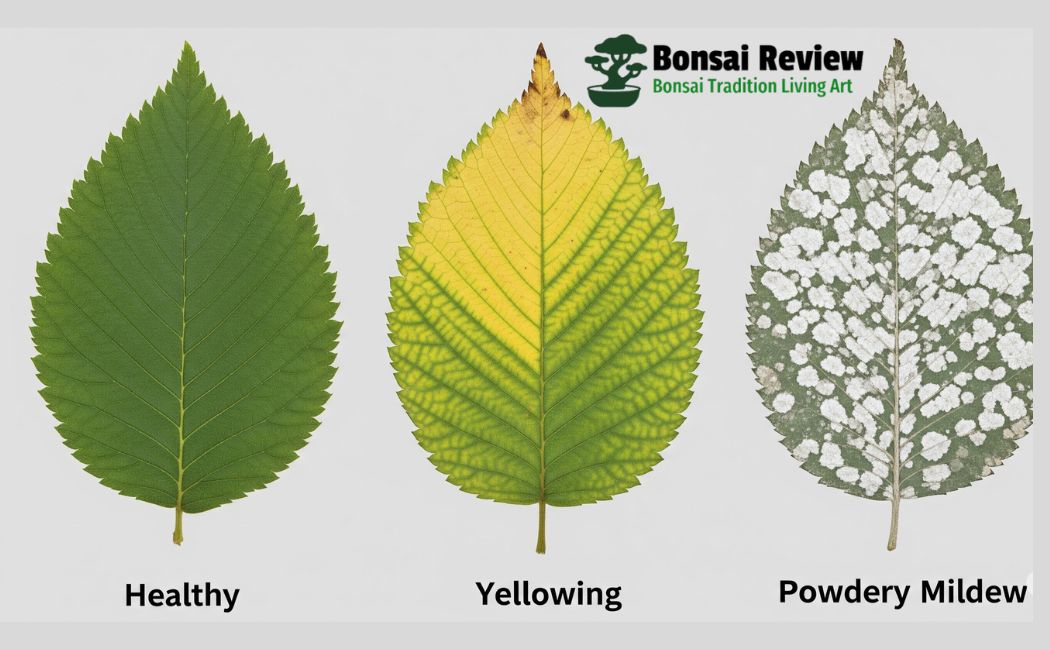
Powdery mildew is easy to spot: a white, powder-like coating on the surface of leaves. While it rarely kills the tree, it blocks sunlight and reduces photosynthesis, leaving the elm looking unhealthy and thin.
5. Root Rot: Drake Elm Tree Problems in the USA
Drake Elms planted in poorly drained soils are at risk of root rot. Roots may decay underground, causing the tree to lose strength, drop leaves early, and sometimes die back suddenly. Overwatering is often the trigger for this disease.
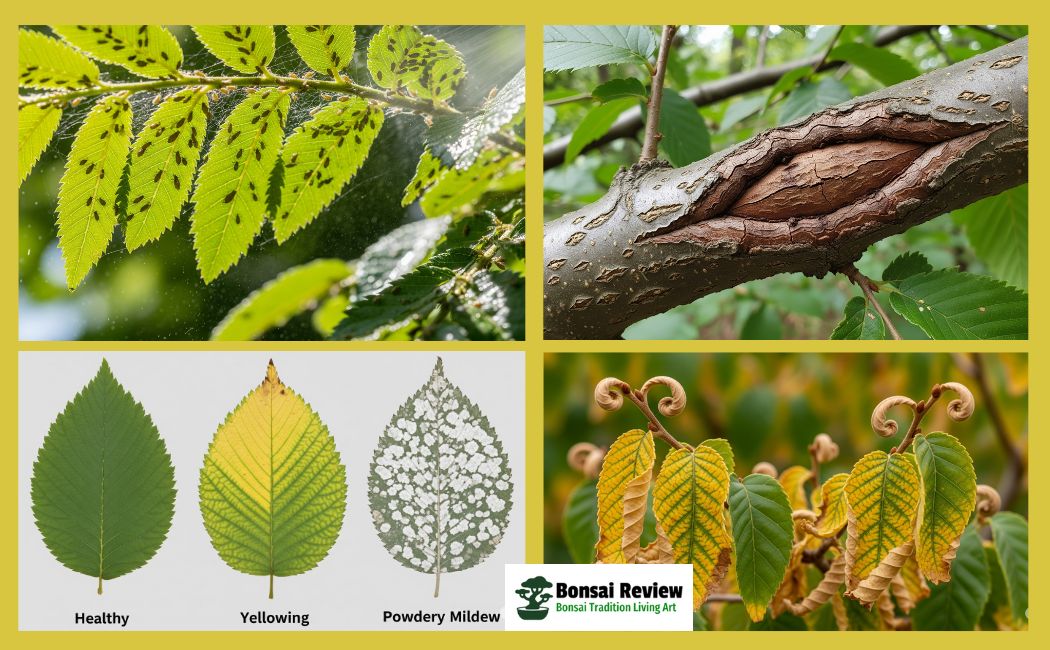
Pest Problems with Drake Elm: How Can I Protect My Drake Elm From Dutch Elm Disease?
Like many trees in the USA, the Drake Elm (Ulmus parvifolia ‘Drake’) can attract a range of pests. These insects weaken the tree by feeding on leaves, stems, or bark, and some can even spread deadly diseases.
| Pest | What You’ll See | Why It Matters | Entity Notes |
| Asian Longhorned Beetle (Anoplophora glabripennis) | Round exit holes in trunk, sawdust at tree base, wilting canopy. | One of the most destructive invasive pests can kill elm trees if not controlled. | Major threat in U.S. quarantine zones. |
| Elm Leaf Beetle (Xanthogaleruca luteola) | Leaves look “skeletonized” with only veins left. | Reduces photosynthesis, the tree looks scorched and weak. | Common elm pest in many states. |
| Aphids | Sticky honeydew on leaves, sometimes covered with black sooty mold. | Attracts ants, weakens leaves, and causes messy drips on cars or patios. | It can multiply quickly in warm weather. |
| Scale Insects | Small bumps on twigs and branches, leaf yellowing. | Suck sap from the tree, causing branch dieback if untreated. | Hard-shelled pests, often overlooked. |
| Spider Mites | Fine webbing under leaves, stippled or discolored foliage. | It can cause leaf drop in hot, dry summers. | Thrive in drought-stressed trees. |
| Japanese Beetles | Large groups feed on leaves in midsummer, skeletonized foliage. | Heavy infestations can strip trees bare, leaving them stressed. | Widespread pest in the eastern USA. |
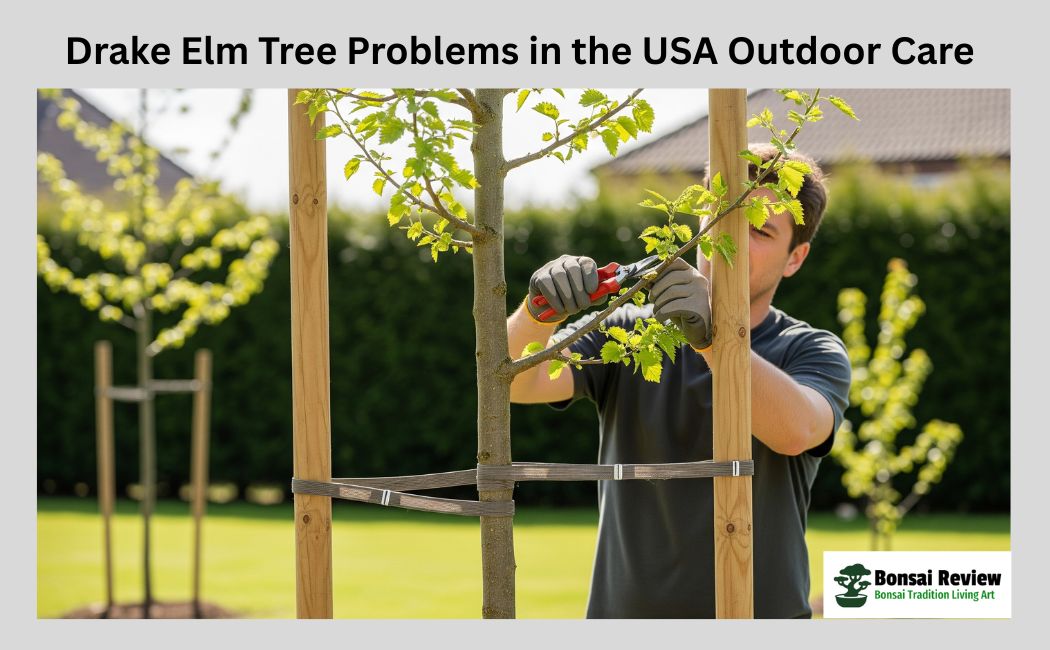
5 Best Steps: How Can You Tell If Your Drake Elm Tree Has Problems?
Spotting problems early is the best way to save your Drake Elm (Ulmus parvifolia ‘Drake’). By paying attention to the leaves, branches, bark, and roots, you can catch pests and diseases before they cause lasting damage. Here’s a step-by-step guide with real examples:
Step 1: Look at the Leaves
If the leaves are turning yellow in midsummer, it could mean nutrient deficiency, root rot, or Dutch Elm Disease. A white, powdery coating points to powdery mildew, while tiny yellow spots or “skeletonized” leaves usually mean elm leaf beetle or Japanese beetle feeding. If you notice sticky leaves with a shiny surface, check for aphids or scale insects.
Step 2: Check the Branches
Branches that snap easily in a storm or break without warning show the tree’s natural weak wood problem. If you see wilting twigs that curl like a “shepherd’s crook,” that’s a common sign of Dutch Elm Disease. Sunken patches on the bark could mean canker infections are spreading.
Step 3: Examine the Bark and Trunk
Tiny round exit holes with sawdust piles at the base suggest the Asian Longhorned Beetle is inside your tree. If the bark looks cracked or sunken in spots, that’s often from fungal cankers. In some cases, you may even see sticky sap or dark streaks under the bark if you peel it back.
Step 4: Inspect the Roots and Base
If your tree sits in poorly drained soil, roots may begin to rot, causing the whole tree to lose strength. Watch for early leaf drop in summer or branches dying back from the top down. If roots are pushing above ground and lifting sidewalks or driveways, that’s the classic surface root issue.
Step 5: Notice Human Health Effects
Sometimes, the tree tells you there’s a problem not by its leaves but by how you feel. If you or your family members develop hay fever symptoms in spring, the elm pollen may be the cause. This doesn’t harm the tree, but it does affect people living nearby.
What Are the Best Solutions for Drake Elm Tree Problems in the USA?
Once you’ve spotted issues in your Drake Elm (Ulmus parvifolia ‘Drake’), the next step is knowing how to fix them. Most problems can be managed with quick action. Here’s how you can treat diseases, control pests, and strengthen your tree against future damage.
1. Treating Diseases in Drake Elm Tree Problems in the USA
Dutch Elm Disease (DED):
- Remove and destroy infected wood right away to stop the fungus Ophiostoma ulmi from spreading.
- Always prune during the dormant season, never in summer, to avoid attracting elm bark beetles (Scolytus multistriatus, Hylurgopinus rufipes).
- For high-value trees, certified arborists may recommend fungicide injections to slow disease progression.
Planting resistant elm cultivars is the best long-term defense.
Canker & Anthracnose: Drake Elm Tree Problems in the USA
- Prune out infected branches, making cuts at least 6–8 inches below visible damage.
- Keep tools disinfected between cuts to prevent spreading fungi.
Powdery Mildew: Drake Elm Tree Problems in the USA
- Improve airflow with light pruning.
- Use fungicide sprays during outbreaks.
- Rake and dispose of infected leaves.
Root Rot: Drake Elm Tree Problems in the USA
- Avoid overwatering; ensure the site has well-drained soil.
- In severe cases, root rot cannot be reversed, and replacement may be necessary.
2. Controlling Pests: Drake Elm Tree Problems in the USA.
Asian Longhorned Beetle:
- Look for exit holes and sawdust at the base.
- Report sightings to USDA or local extension offices, and eradication programs are strict.
- Infested trees often must be removed to protect the area.
Elm Leaf Beetles & Japanese Beetles:
- Spray with neem oil or horticultural oils when beetles first appear.
- Hand-pick Japanese beetles early in the morning when they’re sluggish.
Aphids & Scale Insects: Drake Elm Tree Problems in the USA.
- Use insecticidal soap or horticultural oil sprays.
- Encourage natural predators like lady beetles and lacewings.
- For heavy infestations, systemic insecticides may be applied by an arborist.
Spider Mites: Drake Elm Tree Problems in the USA.
- Increase humidity with regular watering during hot summers.
- Wash leaves with a hose to remove mites.
- Use miticide sprays if populations are high.
3. Strengthening and Caring for Your Drake Elm
- Pruning for Structure: Train young trees to develop stronger branch angles and reduce weak wood breakage.
- Watering: Deep water during droughts, but allow soil to dry slightly between waterings to prevent rot.
- Fertilization: Apply a balanced fertilizer in spring to improve resistance against pests and diseases.
- Mulching: Add a 2–3 inch mulch layer to regulate soil temperature and retain moisture (keep mulch away from trunk).
- Root Barriers: Install barriers if roots threaten sidewalks or driveways.
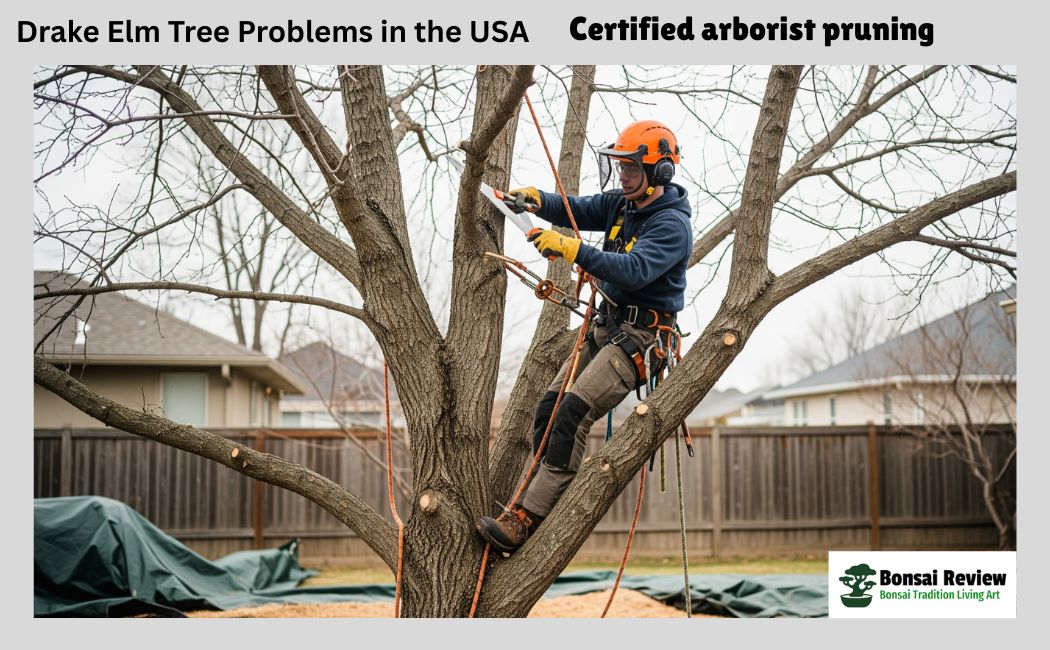
- Professional Help: For serious diseases like Dutch Elm Disease or large infestations, call a certified arborist (ISA-certified) for diagnosis and treatment.
How Can You Prevent Drake Elm Tree Problems Before They Start?
Keeping your Drake Elm (Ulmus parvifolia ‘Drake’) healthy is easier than fixing major diseases or pest infestations. By taking proactive steps, you can reduce the risk of Dutch Elm Disease, pests, weak wood, and root issues. Here’s a step-by-step preventive plan:
1. Choose the Right Planting Site For Drake Elm Tree Problems in the USA.
- Plant in an area with full sun and well-drained soil.
- Avoid low spots where water collects, as this can lead to root rot.
- Ensure enough space for the canopy and roots to grow without interfering with sidewalks, driveways, or other plants.
2. Prune Regularly for Tree Health: Grow Drake Elm Tree Problems in the USA.
- Prune annually during the dormant season to remove dead, weak, or crossing branches.
- This improves airflow, reducing the chance of powdery mildew and canker infections.
- Train young trees to develop strong branch angles and avoid brittle wood problems later.
3. Monitor for Pests and Diseases: If you see Drake Elm Tree Problems in the USA.
- Regularly inspect for elm leaf beetles, aphids, scale insects, and spider mites.
- Watch for yellowing leaves, leaf spots, branch dieback, or unusual sap and early signs of DED, canker, or anthracnose.
- Take action at the first sign of trouble using horticultural oils, neem oil, or fungicide sprays as appropriate.
4. Soil, Watering, and Fertilization For Drake Elm Tree Problems in the USA.
- Deep water during drought periods, but let the soil dry slightly between watering to prevent root rot.
- Mulch around the base (2–3 inches, keeping mulch off the trunk) to retain moisture and regulate soil temperature.
- Apply balanced fertilizer in spring to strengthen growth and increase resistance to pests and diseases.
5. Choose Resistant Varieties and Seek Professional Help
- When planting new elms, select disease-resistant cultivars to reduce the risk of Dutch Elm Disease.
- Consult a certified arborist (ISA-certified) if you’re unsure about pruning, pest infestations, or tree health.
- Avoid pruning during active beetle periods in your region to prevent spreading DED.
Conclusion: Are Drake Elm Trees Resistant to Dutch Elm Disease Compared to American Elm?
Your Drake Elm (Ulmus parvifolia ‘Drake’) is a beautiful and fast-growing tree, but it comes with challenges that every homeowner in the USA should know.
From weak wood and invasive self-seeding to threats like Dutch Elm Disease (DED), canker, anthracnose, powdery mildew, and pests such as the Asian Longhorned Beetle, elm leaf beetle, aphids, and spider mites, these issues can affect both tree health and your landscape.
Drake Elm Tree Problems in the USA: The key to keeping your Drake Elm healthy is early detection, consistent care, and preventive action.
By monitoring leaves, branches, bark, and roots, pruning during the dormant season, applying fungicide or pest treatments when necessary, and planting in well-drained soil, you can significantly reduce the risk of disease and infestation.
Using resistant cultivars and consulting a certified arborist (ISA-certified) for serious problems further ensures the long-term vitality of your tree.
With the right care, your Drake Elm will continue to provide shade, beauty, and resilience in your yard while minimizing the common problems that affect elms across the USA.
Prevention, vigilance, and proper maintenance are the best ways to enjoy this iconic outdoor or indoor tree safely and successfully.
Relevant Outdoor Flower Plant Interested: Best Bougainvillea for Bonsai: Easy Picks, Big Blooms, Small Size.
FAQs About Drake Elm Trees in the USA.
1. Is the Drake Elm resistant to Dutch Elm Disease?
Yes, Drake Elm (Ulmus parvifolia ‘Drake’) is more resistant to Dutch Elm Disease (DED) than the American Elm (Ulmus americana). However, it is not fully immune. Regular monitoring and preventive care are still necessary to avoid infection.
2. Why are my Drake Elm’s leaves turning yellow?
Yellow leaves can indicate nutrient deficiency, root stress, drought, or the early stages of Dutch Elm Disease or anthracnose. Check the soil, watering schedule, and inspect for signs of pests like aphids or elm leaf beetles.
3. Do Drake Elms have weak wood?
Yes, the wood of Drake Elms is naturally brittle, which makes branches prone to breaking during storms, heavy snow, or ice. Regular pruning during the dormant season can help strengthen the tree’s structure.
4. What pests commonly attack Drake Elms in the USA?
The main pests include: Asian Longhorned Beetle (Anoplophora glabripennis). Elm Leaf Beetle (Xanthogaleruca luteola). Aphids and scale insects. And spider mites and Japanese beetles. Early detection and treatment with horticultural oils, neem oil, or insecticides can save your tree.
5. Can Drake Elm pollen cause allergies?
Yes, like other elm trees, Drake Elm pollen can trigger hay fever and other respiratory symptoms, particularly in spring when the tree flowers. Planting away from high-traffic areas or consulting an allergist can help reduce exposure.
6. How should I prune my Drake Elm safely?
Prune only in the dormant season to reduce the risk of spreading Dutch Elm Disease via elm bark beetles. Remove dead, weak, or crossing branches to improve airflow and prevent diseases like powdery mildew or canker. For large or high trees, consider hiring a certified arborist (ISA-certified).
7. How do I prevent root rot and surface root issues?
Plant in well-drained soil and avoid overwatering. Apply 2–3 inches of mulch around the base (keep it off the trunk). Use root barriers if the tree is near sidewalks or driveways.
8. Are Chinese Elms inside or outside plants?
Chinese Elm bonsai can be kept indoors or outdoors year-round, making it a very adaptable tree. When kept indoors, place it in a bright position where it receives at least a few hours of natural light per day, such as near a south- or east-facing window.
9. Are elm trees good to have in your yard?
Elm trees can be a good addition to your yard, offering shade and aesthetic appeal, but they also come with potential drawbacks. While some varieties are known for their disease resistance and adaptability, others are susceptible to Dutch elm disease, a fungal infection that can kill the tree. Additionally, their extensive root systems can cause problems with sewer lines and foundations.
10. When to plant an American elm tree?
American elms are hardy to zone 3 and are found throughout New England. Purchase disease-resistant trees from a local garden center or nursery. Plant in spring to early fall in a full sun location. Elms in the wild grow well near streams and wetlands, so make sure the soil is consistently moist.