


You know the indoor dwarf tree as a Money Plant in Canada, but when you go to Canada, you’ll hear a different name. What is it called there?
When you walk into a plant shop in Toronto, Vancouver, or Montreal, you may look for a “Money Plant.” But here’s the surprise: in Canada, you won’t find a tag that simply says Money Plant.
Instead, you will see names like Jade Plant (Crassula ovata) or Silver Dollar Plant (Lunaria annua). These are the plants Canadians often call by the same lucky name you know.
The confusion happens because “Money Plant” is not one single plant. In Asia, especially in India and China, money plant usually means Pothos (Epipremnum aureum), the climbing vine you keep in water or soil indoors.
In Canada and other Western countries, the same term often points to Jade Plant or Silver Dollar Plant. Each has its own story, look, and meaning.
If you are new in Canada and want to buy a money plant for your home, you need to know the local names, how they grow in Canadian weather, and which ones people believe bring good luck, prosperity, and wealth.
This guide will help you understand all the names, uses, and meanings of money plants in Canada, so you can choose the right one for your home.
What is the Money Plant Called in Canada?
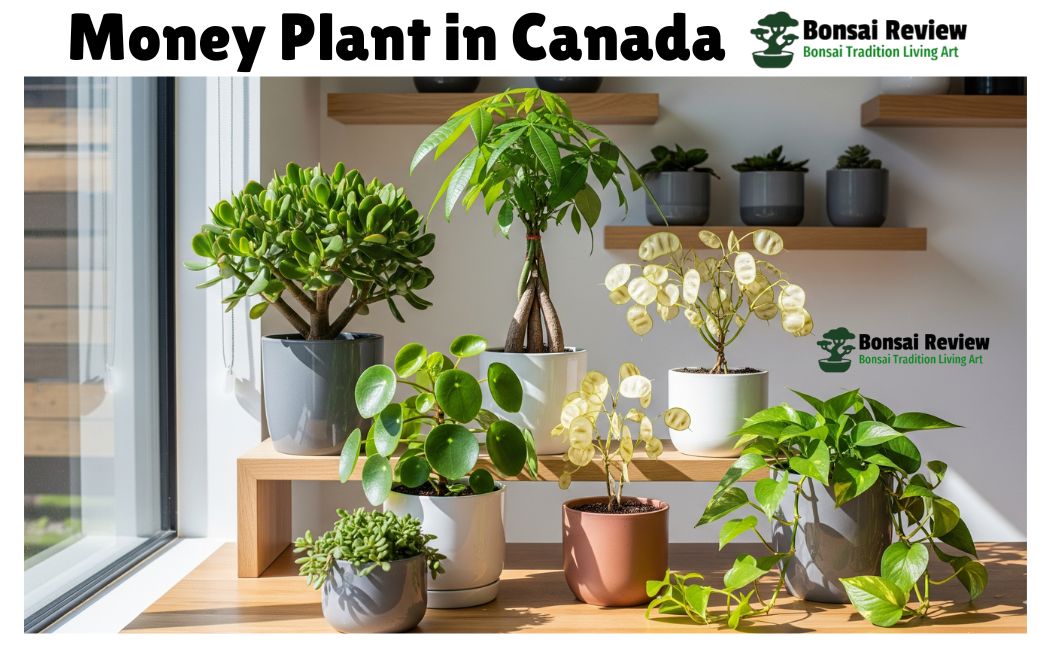
In Canada, the plant commonly called the “Money Plant” can refer to several different species depending on the context, including the Chinese Money Plant (Pilea peperomioides), the Money Tree (Pachira aquatica), and the Silver Dollar Plant (Lunaria annua).
Another common plant often called the money plant is the Golden Pothos (Epipremnum aureum). In Canada, the plant you know as Money Plant is usually called by two main names: Silver Dollar Plant (Lunaria annua).
1. Jade Plant: Money Plant in Canada
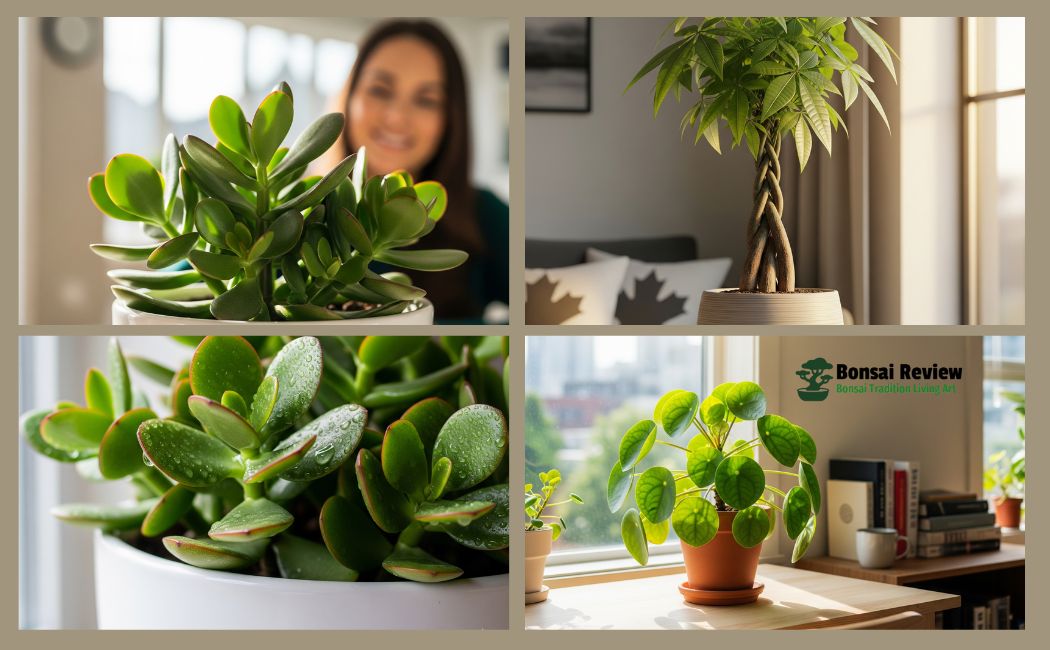
The Jade Plant (Crassula ovata) is the most common “money plant” you will find in Canadian homes. It has thick, shiny green leaves that look like coins. Canadians often keep it indoors because it grows well in pots and is easy to care for during the cold winters.
2. Silver Dollar Plant: Money Plant in Canada
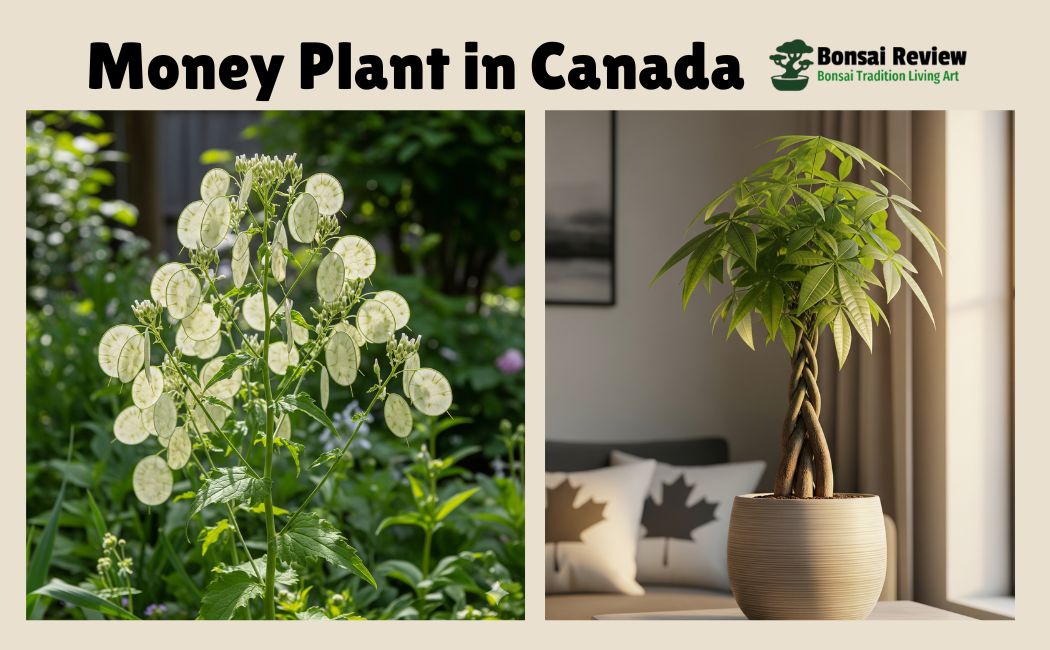
In Canadian beginner bonsai lovers, you may also see Lunaria annua, called the Silver Dollar Plant. It has purple flowers in spring and round, coin-like seed pods that look like shining silver discs. This is why many people link it to money and prosperity.
If you walk into a Canadian nursery and ask for a “money plant,” staff may guide you to either of these. But remember, in Asian countries like India, money plant usually means Pothos (Epipremnum aureum), which is sold under different names in Canada, such as “Devil’s Ivy” or “Golden Pothos.”
So, the name “Money Plant” changes with place. In Canada, think Jade or Silver Dollar when you hear it.
Why Does the Name Differ Around the World?
The name “money plant” is not the same everywhere. In Canada, most garden stores use this name for Jade Plant (Crassula ovata), Chinese Money Plant (Pilea peperomioides), or the Money Tree (Pachira aquatica).
But if you ask for a money plant in India, shopkeepers will hand you a Pothos (Epipremnum aureum). In Canadian backyards, you may also hear the name for Silver Dollar Plant (Lunaria annua), grown for its shiny coin-like seed pods.
The reason for this difference is simple for people link plants to money, luck, and prosperity based on how they look. For example:
- Jade Plant has thick, coin-shaped leaves.
- Pilea peperomioides has round leaves that look like pancakes or coins.
- Pachira aquatica is sold as a braided “money tree” for feng shui.
- Lunaria annua grows seed pods that shine like silver coins.
- Pothos is easy to grow indoors and in water, so it became a symbol of wealth in Asia.
Each culture gave the “money plant” title to the plant that best fits its beliefs, home style, and climate. That is why the name shifts when you move from Canada to Asia, or from Europe to North America.
So when you ask, “What is the money plant called in Canada?” the answer depends on which plant Canadians associate with wealth: Jade, Pilea, Pachira, or Lunaria.
Which Plants Are Known as Money plants in Canadian Homes and Gardens?
In Canada, “money plant” may point to more than one species. There are many types of Money Plant in Canadian homes & gardens. Here are the main ones you will come across in nurseries, garden centres, and online plant shops:
| Common Name (Canada) | Scientific Name | Looks Like | Why Called Money Plant | Where You’ll See It in Canada |
| Jade Plant | Crassula ovata | Thick, shiny, coin-like leaves | Symbol of luck, prosperity | Sold at IKEA, Gold Leaf Botanicals, Home Depot |
| Chinese Money Plant | Pilea peperomioides | Round, flat, pancake-shaped leaves | Leaves look like coins | Common in Toronto & Vancouver plant shops, Walmart.ca |
| Money Tree | Pachira aquatica | Braided trunk, hand-shaped leaves | Feng shui symbol of wealth | Available at JOMO Studio, Botaniful, Promise Supply |
| Silver Dollar Plant | Lunaria annua | Purple flowers, silver seed pods | Pods look like silver coins | Popular in outdoor Canadian gardens, Ecoseedbank Canada |
| Pothos / Devil’s Ivy | Epipremnum aureum | Heart-shaped trailing leaves | Common “money plant” in Asia, sometimes in Canada | Indoor plant shops, Amazon.ca |
Does the Money Plant Really Bring Luck and Prosperity in Canada?
Many Canadians buy a “money plant” not just for its beauty, but also for its symbolism. Across cultures, this plant is tied to wealth, success, and positive energy. But does it really work the same way in Canada?
1. Jade Plant (Lucky Plant or Money Plant) in Canadian Indoor Home:
In Canada, the jade plant (Crassula ovata) is a popular, easy-care succulent known for its thick, glossy, oval-shaped leaves and tree-like appearance. It is also known as a “Money Plant,” “Lucky Plant,” or “Friendship Tree” due to its symbolism of good fortune and prosperity.
This makes it a common houseplant, often given as a gift. Native to South Africa, the jade plant requires bright light, well-draining soil, and infrequent watering, as its leaves and stems store water, making it drought-tolerant.
In Canadian homes, Jade is often given as a housewarming gift because its coin-shaped leaves symbolize growth and financial success. It’s common to see it placed near office desks or at the front entrance.
2. Money Tree (Pachira aquatica): Money Plant in Canada.
In Canada, the Money Tree, scientifically known as Pachira aquatica, is a popular and easy-to-care-for indoor houseplant known for its braided trunk and ability to bring good luck and fortune according to Feng Shui traditions.
Native to the tropical wetlands of Central and South America, it is grown in Canadian homes as an attractive, air-purifying plant that typically reaches 3 to 6 feet tall.
Money Plant in Canada is a resilient and culturally significant houseplant, appreciated for its unique aesthetic and its purported ability to bring good fortune to homes and offices.
Its ease of care and ability to improve air quality make it a sought-after decorative plant for indoor environments.
Many Canadian plant shops market it as the go-to “luck” plant. Linked to feng shui, this plant is believed to attract prosperity when kept in the southeast corner of a home or office.
3. Chinese Money Plant (Pilea peperomioides): Best for Money Plant in Canada Home Corner.
Money Plant in Canada, the Chinese Money Plant is the common name for Pilea peperomioides, a popular, easy-care houseplant known for its distinctive coin-shaped, green leaves. It is a non-toxic, medium to fast-growing perennial native to southern China that is well-suited for indoor environments.
The plant is often sold under alternative names like “pancake plant,” “coin plant,” or “UFO plant,” and it is prized for its attractive foliage and ability to produce “pups” or baby plants that can be shared with friends.
Its round leaves look like coins, so Canadians love it as a good-luck charm for apartments and small homes. It’s also seen as a “friendship plant” because it grows small pups you can gift to others.
4. Silver Dollar Plant (Lunaria annua): Unique Money Plant in Canada, Indoor room decor.
In Canadian indoor gardens (Lunaria annua) Silver Dollar plant represents honesty and wealth, thanks to its shining silver seed pods that resemble coins.
In Canada, the Silver Dollar Plant is known by multiple names, including Honesty, Money Plant, Moonwort, and Judas’ Penny.
This hardy, self-seeding biennial plant is primarily cultivated for its unique, translucent, flat, coin-shaped seed pods that are commonly used in dried floral arrangements. It also produces attractive purple or white flowers in spring and is considered a low-maintenance cottage garden plant.
5. Pothos (Epipremnum aureum): Excellent Golden Pothos Money Plant in Canada
Money Plant in Canada, Epipremnum aureum, commonly known as Pothos or Golden Pothos, is a popular tropical houseplant prized for its vining growth habit and heart-shaped, variegated leaves.
A versatile and hardy houseplant from the arum family. Also called Devil’s Ivy or Golden Pothos due to its colorful leaves and hardiness. A tropical aroid vine native to the South Pacific, widely cultivated as a houseplant in temperate regions.
While it grows as a ground cover or climber in its native habitat, it is grown in hanging baskets, as a floor pot plant, or trained up a pole in Canada, and its quick-growing vines can be pruned to maintain size.
- Easy to grow: It is an ideal plant for beginners, known for being forgiving of varied conditions and requiring minimal care.
- Air purification: Pothos is efficient at filtering indoor pollutants like formaldehyde and benzene.
- Aesthetic value: Its beautiful heart-shaped leaves and trailing vines add a tropical vibe to indoor spaces.
- Houseplant: Golden Pothos is a popular houseplant available from online retailers and garden centers across Canada. It is not a native Canadian plant but is imported for its ornamental value.
Though not as deeply tied to Canadian tradition, many immigrants still keep it indoors, carrying forward the belief from India and China that it brings money flow and good fortune.
While science shows these plants mainly purify the air and brighten your space, the cultural belief in their luck-bringing power makes them extra special in Canadian homes.
How Do You Care for a Money Plant in the Canadian Climate?
Caring for a money plant in Canada is a bit different from that in tropical countries. Since winters are long and cold, most money plants here grow indoors. Here’s what you need to know:
1. Light Needs: Place your plant in bright, indirect light near a window. In Canadian winters (short days, less sunlight), Jade, Pothos, and Pilea may need to be closer to a south-facing or west-facing window.
2. Watering: In summer, this may be once a week. In winter, it could stretch to once every 2–3 weeks because the plant grows more slowly. Water only when the top 1–2 inches of soil feel dry. Avoid overwatering, especially with Jade and Pachira, as it causes root rot.
3. Temperature & Humidity: Keep plants in rooms between 15°C and 25°C. Avoid placing them near heaters or cold drafts during winter. Pothos and Pachira enjoy a little extra humidity; a pebble tray or humidifier helps during dry Canadian winters.
4. Soil & Pots: Use a well-draining soil mix (cactus/succulent mix for Jade, indoor potting mix for Pothos and Pilea). Choose pots with drainage holes. with Money plant in Canada often uses ceramic pots or plastic grower pots sold at Home Depot and Walmart.
5. Indoor vs Outdoor Money Plant in the Canadian Weather:
- In summer (May–September), Jade, Pothos, and Pachira can be moved outdoors on patios or balconies, but bring them back inside before temperatures drop below 10°C.
- Silver Dollar Plant (Lunaria annua) is hardy outdoors and grows well in Canadian gardens, especially in spring and summer.
However, with the right care, money plants adapt well to Canadian homes. If you live in Toronto, Vancouver, or Calgary, these plants stay green, healthy and are believed to bring you good luck.
Are Money Plants Safe for Pats?
Whether money plants are safe for pets is a common concern that pet owners need to address. The ASPCA lists the money plant as toxic to both dogs and cats, primarily due to the presence of insoluble calcium oxalates. These compounds can cause mild to moderate irritation when ingested, leading to symptoms such as oral irritation, vomiting, and difficulty swallowing.
Although these symptoms are generally not life-threatening and resolve within 24 hours, they can still be distressing for both the animal and the owner. Consequently, pet owners need to understand the risks and manage their household environment accordingly. 7 Nontoxic Houseplants for Dog Owners by American Kennel Club
Yes, money trees (Pachira aquatica) are pet-friendly and non-toxic to dogs and cats, according to the American Society for the Prevention of Cruelty to Animals (ASPCA). However, ingesting large amounts of any plant material, including a money tree, can still cause mild digestive issues like stomach upset, vomiting, or diarrhea in pets.
So, it’s best to prevent your pets from chewing on money trees by placing them out of reach, even though they are considered safe.
Conclusion: What Makes the Money Plant Special in Canada?
In Canada, the name “money plant” does not point to just one species. It could mean the Jade Plant (Crassula ovata), the Chinese Money Plant (Pilea peperomioides), the Money Tree (Pachira aquatica), or even the Silver Dollar Plant (Lunaria annua) in gardens.
For many new Canadians, it may also mean the familiar Pothos (Epipremnum aureum), which is loved across Asia. No matter which one you choose, these plants are valued in Canadian homes for their beauty, easy care, and symbolic meaning.
From brightening a condo in Toronto, to gifting a Jade plant in Vancouver, or growing Silver Dollar in a backyard in Calgary, each version of the money plant carries a story of luck, prosperity, and connection across cultures.
So, the next time you hear someone in Canada talk about a “money plant,” you’ll know it may be more than one plant, but each one comes with its own charm and belief in good fortune.
Best Informative article: 7 Best Bonsai Purify Air Plants Indoor Toxins?
FAQs: Which Money Plant Brings Luck in Canadian Homes? Jade, Pachira, or Pilea?
1. What is the money plant called in Canada?
Money Plant in Canada is usually called Jade Plant (Crassula ovata), Chinese Money Plant (Pilea peperomioides), or Money Tree (Pachira aquatica). In gardens, Silver Dollar Plant (Lunaria annua) is also linked with the name.
2. Is Pothos also called a money plant in Canada?
Yes, but not as commonly. In India and China, Pothos (Epipremnum aureum) is the main “money plant.” In Canada, it’s often sold as Golden Pothos or Devil’s Ivy, but many immigrants still refer to it as a money plant.
3. Is the Jade Plant lucky in Canada?
Yes. Money Plant in Canadian homes, Jade is one of the most popular gift plants. Its coin-shaped leaves symbolize wealth, prosperity, and long life. Many Canadians keep it near doors or office desks for good energy.
4. Where can I buy a money plant in Canada?
You can buy them at IKEA, Home Depot, Walmart.ca, Amazon.ca, Botaniful, JOMO Studio, Gold Leaf Botanicals, and Promise Supply. For garden types like Silver Dollar Plant, look at Eco seed bank Canada or local nurseries.
5. How often should I water a money plant in Canada?
Most money plants need water once a week in summer, and every 2–3 weeks in winter. Always check the soil first; if the top layer is dry, it’s time to water.
6. Does a money plant need direct sunlight in Canada?
No. They prefer bright, indirect light. Jade and Pilea enjoy sunny windows, while Pothos and Pachira can grow well in medium light.
7. Which money plant grows best outdoors in Canada?
The Silver Dollar Plant (Lunaria annua) is the best for Canadian gardens. It handles outdoor seasons well and produces silver coin-like seed pods in summer.
8. Are money tree plants toxic?
No, money trees (Pachira aquatica) are not toxic to humans, dogs, or cats and are considered safe to have in homes with children and pets. However, ingesting large quantities of the plant could still cause mild gastrointestinal issues like vomiting or diarrhea. It is still a good idea to keep the plant out of reach of very young children and curious pets to prevent them from eating a large amount.
9. Is a money tree pet-friendly?
Yes, money trees (Pachira aquatica) are pet-friendly and non-toxic to dogs and cats, according to the American Society for the Prevention of Cruelty to Animals (ASPCA). How can it? Ingesting large amounts of any plant material, including a money tree, can still cause mild digestive issues, such as stomach upset, vomiting, or diarrhea, in pets.