


Bonsai tree lifespan is much longer than most people think. If you just bought your first bonsai, you may wonder if it will live for a few years or stay with your family for generations.
The answer depends on the species, care, and growing conditions. Some bonsai live for 30 to 50 years, while others can survive for hundreds of years.
Many beginners are surprised to learn that a bonsai is not a special type of tree. It is a normal tree grown in a small container using careful pruning, root management, wiring, and long-term care.
Because of this, many bonsai can live just as long as their full-sized relatives. Species such as Ficus retusa, Juniperus, and Pinus thunbergii are well known for their ability to grow old when properly maintained.
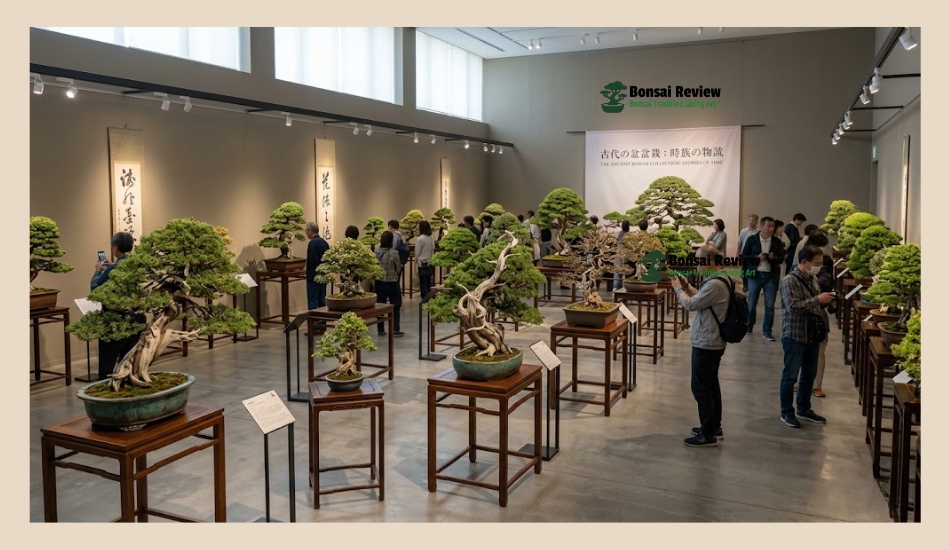
The world’s most famous examples show what is possible. The legendary Goshin bonsai became one of the most recognized bonsai trees ever created, while historic collections at the Crespi Bonsai Museum display trees that have survived for centuries.
These living artworks prove that bonsai are not short-lived houseplants. In many cases, they become family heirlooms that pass from one generation to the next.
If you have ever asked, “How old can bonsai get?” or wondered about the true juniper bonsai lifespan, ficus bonsai lifespan, and the oldest bonsai tree in the world, this guide will show real lifespan data by species and explain what helps a bonsai reach an exceptional age.

The Tree I’ve Had for 22 Years Is Still Growing
Twenty-two years ago, I repotted a small juniper into a shallow clay pot.
It had roots the size of thread. The trunk was barely as thick as my finger.
Today, that same tree sits on my bench. The trunk is gnarled. The bark has gone gray. It looks like it has lived outside for a century.
It hasn’t gone anywhere. And if I keep doing what I’m doing, it won’t.
That’s the thing about bonsai that most people don’t know when they first start. Your tree isn’t on a short clock. It’s on a long one, sometimes longer than you’ll be around to see.
Let me show you exactly how long, broken down by species, with real data.

How Long Does a Bonsai Tree Live on Average?
A bonsai tree can live anywhere from 10 years to more than 500 years, depending on the species and the care it receives.
One common myth is that bonsai trees have short lives because they grow in small pots. This is not true. A bonsai is the same tree species that grows in nature.
The small container does not automatically shorten its life. Instead, regular pruning, root care, proper watering, and seasonal maintenance help keep the tree healthy for many years.
While many beginner bonsai live for only a few years due to watering mistakes or poor growing conditions, a healthy bonsai can survive for decades and sometimes centuries.
Different species also have very different lifespans. For example, a Ficus retusa bonsai often lives for several decades and is known for its toughness.
Trees from the Juniperus group can live much longer and are among the most popular choices for long-term bonsai cultivation.
Traditional Japanese species such as Pinus thunbergii are famous for their ability to survive for generations when properly cared for.
The age of a bonsai is usually linked to lifespan and depends on three main factors:
- Species: The natural lifespan of the species; some trees live longer than others
- Care: consistent watering, pruning, and repotting matter more than anything
- Environment: outdoor bonsai tend to outlive indoor ones
You pick the right species and stay consistent. Your tree does the rest.
The age of a bonsai is usually linked to three main factors:
- The natural lifespan of the species
- The quality of care it receives
- Protection from disease, pests, and environmental stress
This is why two bonsai of the same age can have very different futures. One tree may decline after a few years of neglect, while another may continue growing for decades and eventually become a treasured family heirloom.
In the next section, you will see real lifespan data by species so you can compare popular bonsai trees and learn which types have the greatest longevity.

Bonsai Tree Lifespan by Species: Real Age Estimates
Not all bonsai trees age the same way. Some species naturally live longer than others. Fast-growing tropical trees may reach maturity quickly, while slow-growing conifers can remain healthy for many generations.
Here is real lifespan data across the most common bonsai species. These numbers reflect documented specimens and known wild lifespans.
| Species | Type | Typical Bonsai Lifespan | Documented Maximum | Notes |
| Juniper (Juniperus) | Outdoor | 100–500+ years | 1,000+ years | Most resilient long-term species |
| Japanese Black Pine (Pinus thunbergii) | Outdoor | 100–500+ years | 600+ years | Among the longest-living bonsai |
| Ficus (Ficus retusa) | Indoor | 50–100+ years | 1,000+ years | Oldest living bonsai is a Ficus |
| Japanese Maple | Outdoor | 50–200+ years | 300+ years | Beautiful but needs skilled care |
| Chinese Elm | Outdoor/Indoor | 50–150+ years | 200+ years | Great beginner species |
| Azalea | Outdoor | 20–50+ years | 100+ years | Shorter lifespan, stunning blooms |
| Pomegranate | Indoor | 30–100+ years | 100+ years | Thrives with steady indoor care |
| Cypress | Outdoor | 50–200+ years | 500+ years | Excellent long-term outdoor choice |
| Beech | Outdoor | 40–100 years | 150+ years | More challenging to maintain |
| Cotoneaster | Outdoor | 30–80+ years | 100+ years | Popular beginner tree |
What Factors Affect Bonsai Tree Lifespan the Most?
Looking at the data, conifer species often have the longest lifespan. Trees such as Juniperus and Pinus thunbergii are famous for their durability and ability to survive for centuries. This is one reason they are highly valued in traditional bonsai collections.
On the other hand, tropical species such as Ficus retusa are popular with beginners because they tolerate indoor conditions well and can still live for many decades when cared for correctly.
The most important lesson is that species sets the potential lifespan, but care determines whether a bonsai reaches that potential. Even a naturally long-lived tree can decline early if it experiences repeated stress, root problems, poor watering habits, or neglect.
This is why experienced bonsai growers focus on long-term health rather than fast growth. A well-maintained bonsai often becomes more beautiful and valuable as it ages.
Note: “Documented maximum” refers to known bonsai or wild tree specimens, not guaranteed outcomes. Care and conditions are the deciding factor every time.
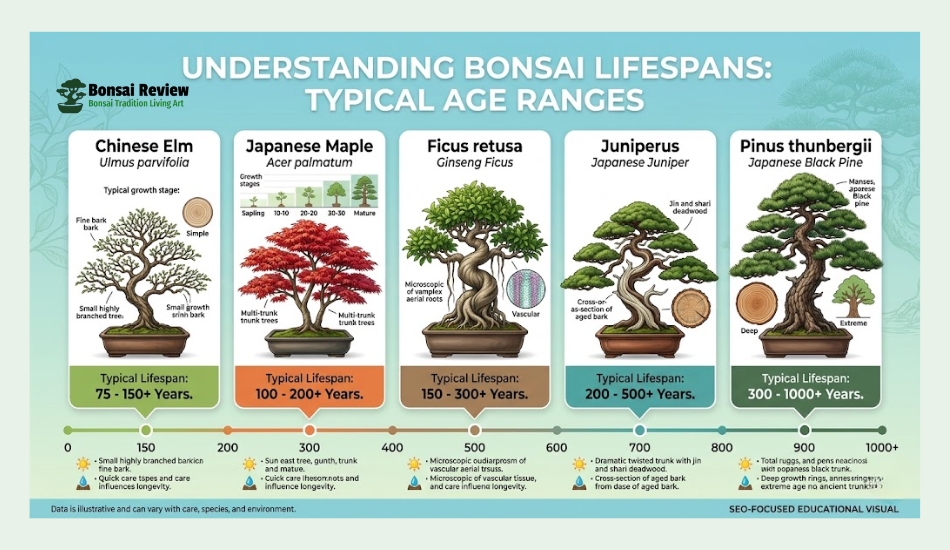
How Old Can a Bonsai Tree Get? Real Lifespan Data From Popular Species
The oldest bonsai trees in the World. These aren’t myths. These are real trees you can visit.
Most bonsai trees live for decades. Many reach 100 years or more. The oldest documented bonsai in the world is estimated to be over 1,000 years old.
Many people think bonsai trees are small and delicate, but some can live for hundreds of years. The age of a bonsai depends on its species, care, and growing environment.
Popular bonsai trees such as Juniperus, Pinus thunbergii, and Ficus retusa can live for decades or even centuries when properly maintained.
In this guide, you will discover real lifespan data from popular bonsai species, learn what affects bonsai longevity, and see how some famous bonsai trees became living treasures passed down through generations.

1. The Crespi Ficus Over 1,000 Years Old
The oldest bonsai in the world is a Ficus retusa at the Crespi Bonsai Museum in Milan, Italy. It’s estimated to be over 1,000 years old.
The tree is roughly 10 feet tall with a thick network of aerial roots. It was cared for by Chinese bonsai masters before being transferred to Italy in 1986, a transfer that took over a decade of negotiation to make happen.
It sits in the world’s largest bonsai pot, fired as a single piece.
One tree. One thousand years. Countless hands.
2. The Mansei-en Juniper Over 1,000 Years Old
Also estimated at over 1,000 years old, this juniper lives at the Mansei-en Bonsai Nursery in Omiya, Japan. It was collected from the wild and has been in training at the Kato family’s garden, one of the six historic gardens of Omiya Bonsai Village, since the 19th century.
The Juniperus genus dominates the upper end of bonsai longevity. That’s not a coincidence.

3. The Yamaki Pine Nearly 400 Years Old
A Japanese white pine (Pinus thunbergii) trained for almost 400 years by six generations of the Yamaki family. What makes it remarkable isn’t just its age.
It survived the atomic bomb dropped on Hiroshima in 1945.
In 1976, Masaru Yamaki donated it to the United States as part of a 53-tree bicentennial gift. It now lives at the U.S. National Arboretum in Washington, D.C. The arboretum didn’t even know its full history until 2001, when Yamaki’s grandchildren came to check on it and shared the story.

4. Goshin Started in 1948
Goshin, which means “protector of the spirit,” is one of the most recognized bonsai in the world. Master John Naka started training the first juniper in 1948.
Over the next two decades, he added 10 more trees, one for each of his grandchildren, building a miniature forest of 11 foemina junipers (Juniperus chinensis).
He donated it to the National Bonsai Foundation in 1984. It is now on permanent display at the U.S. National Arboretum.
Goshin is now over 75 years in cultivation. With the right care, it will still be there long after everyone alive today is gone.
Why Bonsai Can Live So Long?
Here’s what surprises most people: bonsai trees don’t have a shorter lifespan because they’re small. They can actually outlive full-sized trees in the wild.
A tree growing in a forest faces storms, floods, drought, disease, and animals. A bonsai in your care faces none of that as long as you do your job.
What keeps a bonsai alive for centuries:
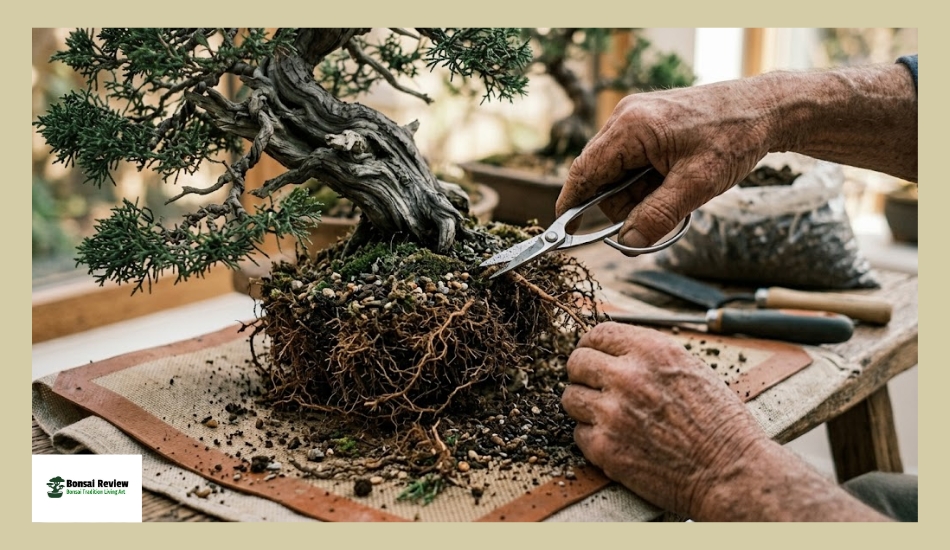
1. Root pruning: Roots become bound in the pot and slow the tree’s growth. Regular root pruning, typically every 2–5 years depending on the species, gives roots room to grow and keeps the tree healthy.
2. Consistent watering: Bonsai soil dries out fast. A missed week in summer can do serious damage. Consistency over many years is what builds a tree that lasts.
3. Species-appropriate environment: Outdoor species need outdoor conditions. They need seasonal dormancy. Moving a juniper or pine indoors long-term will shorten its life, sometimes dramatically. Tropical species like ficus need stable warmth and light.
4. Repotting on schedule: Fresh soil brings fresh nutrients and prevents the buildup of harmful salts. Most trees need repotting every 2–5 years when young, less often as they mature.
5. Long-term stewardship: The oldest bonsai didn’t survive by accident. They survived because one person passed knowledge and the tree to the next. Goshin is alive because John Naka spent his final years teaching curators exactly how to care for it.

1. Juniper Bonsai Lifespan: What the Data Shows
Juniper (Juniperus) is the most common long-lived bonsai species for a reason.
They are naturally hardy. They handle pruning well. They tolerate stress better than most species. And the documented specimens speak for themselves: two of the oldest known bonsai in the world are junipers, both estimated over 1,000 years old.
For a beginner who wants a tree that will last a lifetime and possibly multiple lifetimes, juniper is the right starting point.
Expected lifespan with proper care: 100 to 500+ years. Biggest risk factor: Overwatering and root rot from poor-drainage soil.

2. Ficus Bonsai Lifespan: Indoor Longevity
Ficus (Ficus retusa) is the most popular indoor bonsai species. And it’s not just beginner-friendly; it’s genuinely long-lived.
The oldest documented bonsai in the entire world is a ficus. That alone tells you what’s possible.
Under indoor conditions, with stable light and temperature, a ficus bonsai can realistically live 50 to 100 years. Exceptional specimens have reached 150 years. And in ideal museum-level conditions, as the Crespi Ficus shows, a millennium isn’t out of the question.
- Expected lifespan with proper care: 50–150+ years.
- Biggest risk factor: Low light in winter and sudden temperature changes
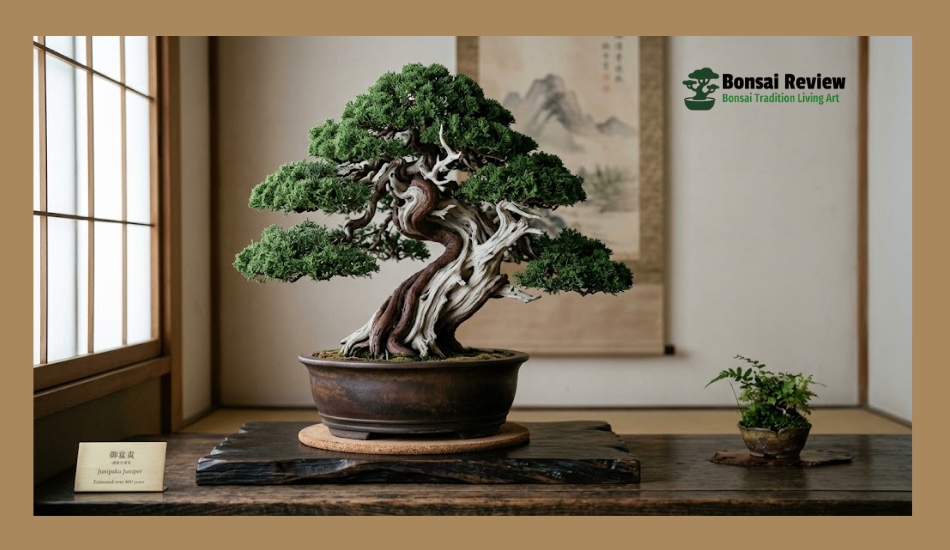
3. Japanese Black Pine (Pinus thunbergii): The Century Tree
The Japanese black pine is the tree of choice for serious long-term collectors in Japan. It is the species behind several of the most famous ancient bonsai, including the Yamaki Pine.
Pines as a group are among the longest-lived trees on Earth. The Bristlecone Pine (Pinus longaeva) can survive over 5,000 years in the wild. Even in cultivation, Pinus thunbergii specimens of 600 years have been recorded.
For a bonsai you want to pass down through your family, Japanese Black Pine is one of the strongest choices.
- Expected lifespan with proper care: 100–500+ years.
- Biggest risk factor: Incorrect needle pulling technique and overwatering

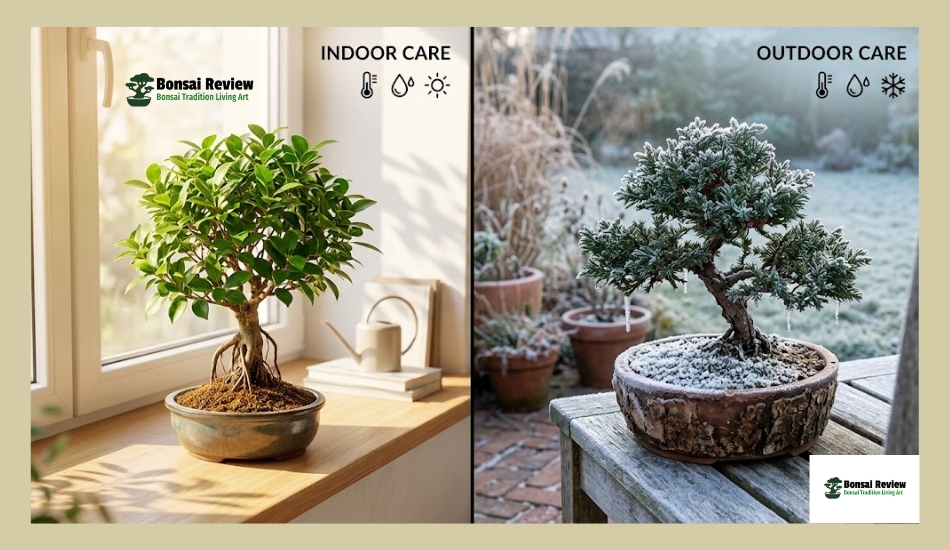
Indoor vs. Outdoor Bonsai Lifespan: What Matters Most?
Many people think species is the biggest factor in bonsai longevity. In reality, placement often has a greater impact. A tree growing in the right environment has a much better chance of reaching its full lifespan.
| Factor | Outdoor Bonsai | Indoor Bonsai |
| Common Species | Junipers, pines, maples, elms | Ficus retusa, jade, pomegranate |
| Natural Environment | Outdoor conditions with changing seasons | Stable indoor environment |
| Winter Dormancy | Required for most species | Not required |
| Lifespan Potential | Often the longest-lived bonsai | Usually shorter, but can still live for decades |
| Biggest Survival Need | Seasonal growth and winter rest | Bright light throughout the year |
| Most Common Cause of Early Death | Poor care or environmental stress | Insufficient light, especially during winter |
| Historical Record | Nearly all bonsai over 500 years old are outdoor trees | Very few reach extreme ages |
| Notable Exception | — | The famous Crespi Ficus has survived for centuries |
Bonsai Tree Lifespan Explained: Which Species Live the Longest?

The reason outdoor bonsai often live longer is that species such as Juniperus, pines, maples, and elms evolved with seasonal changes. Cold winters and dormancy are not harmful to these trees. They are part of the tree’s natural life cycle.
Indoor bonsai follow different rules. Tropical species such as Ficus retusa do not need winter dormancy. Instead, they need warmth and strong light throughout the year. When indoor bonsai receive enough light and proper care, they can live for many decades.
While a well-placed outdoor bonsai will usually outlive a well-placed indoor bonsai, there are exceptions. The famous Crespi Ficus shows that a tropical bonsai can achieve an extraordinary age when cared for over many generations.
A well-placed outdoor bonsai will almost always outlive a well-placed indoor one. But “almost always” still allows for exceptions; the Crespi Ficus proves that.
What Shortens a Bonsai’s Life?
These are the most common reasons a bonsai doesn’t reach its potential lifespan:
- Inconsistent watering: too much or too little, both kill
- Wrong soil: regular potting soil holds too much water; proper bonsai soil drains fast
- Skipping repotting: roots become rootbound and the tree declines
- Wrong placement: outdoor species kept indoors lose vigor over time
- Pests ignored: spider mites, scale, and aphids compound quickly
- Overenthusiastic pruning: cutting too much at once stresses the tree severely
Conclusion: How Old Can a Bonsai Tree Get? Surprising Age Records Explained
Most of these are not complicated mistakes. They are consistent mistakes. Which means they are fixable.
The true bonsai tree lifespan depends on much more than age alone. Species, placement, care, and growing conditions all play a role in how long a bonsai survives. While some trees may live for only a few decades, others can remain healthy for hundreds of years.
Long-lived species such as Juniperus and Pinus thunbergii have shown that bonsai can become living heirlooms. Even tropical trees like Ficus retusa can reach an impressive age when given proper light, watering, pruning, and root care.
Famous examples such as Goshin and the ancient trees displayed at the Crespi Bonsai Museum prove that bonsai are not short-term plants. They are long-term investments in patience and craftsmanship.
If you are wondering how old your bonsai can become, the answer is simple: focus on keeping it healthy today. Consistent care matters more than trying to make the tree grow fast. With the right attention, your bonsai may not only outlive many garden plants but could one day be passed down to future generations.
The best bonsai growers do not measure success by how quickly a tree grows. They measure it by how well the tree thrives year after year. Start with good care habits now, and your bonsai could be the beginning of a story that lasts for decades or even centuries.
Relevant article: Lucky Bonsai Trees: Which Species Bring Good Fortune? (With Amazon Links)

How Long Does a Bonsai Tree Live? Average Lifespan by Species.
1. How old can a bonsai tree get?
The oldest documented bonsai is over 1,000 years old. With proper care and the right species, a bonsai can outlive multiple generations of human owners.
2. What is the average lifespan of a bonsai tree?
Most bonsai trees live between 50 and 100 years with average care. Long-lived species like juniper and pine can reach 200 to 500 years under expert hands.
3. What is the oldest bonsai tree in the world?
The Ficus retusa at the Crespi Bonsai Museum in Italy is estimated to be over 1,000 years old, making it the oldest known bonsai tree.
4. Do bonsai trees live longer than regular trees?
They can. Because bonsai are protected from storms, disease, and environmental damage, they often outlive wild trees of the same species as long as the human caretaker provides consistent, skilled care.
5. What bonsai species lives the longest?
Juniper and pine species consistently show the greatest longevity in documented bonsai history. Both have verified specimens over 1,000 years old.
6. How do I make my bonsai live longer?
Pick a species suited to your climate. Water consistently. Repot every 2–5 years. Prune carefully. Never skip dormancy for outdoor species. And learn from someone who has kept trees alive for years, not just months.
Ready to Go Deeper?
Your bonsai lifespan starts with the right tools and a solid care routine. See our full [Bonsai Care Guide] to build the habits that keep trees alive for decades.
Looking for the right tools? Our [Bonsai Tool Shop ] has everything from repotting kits to quality soil mixes.
Thomas Shoji has been growing and studying bonsai for over 20 years. His work focuses on long-term tree health, species selection, and the kind of care practices that build trees meant to last generations.