


Bonsai tree care for beginners may look hard at first, but it does not have to be. If you just brought home a tiny tree in a shallow pot. Now what? Most new bonsai owners lose their tree in the first year.
Not because bonsai is hard. Because nobody tells them the six or seven things that actually matter. This guide gives you those things, in plain words, so your tree lives past year one.
So, you’ll know how to water it, feed it, prune it, and keep it alive through its first winter. Let’s start with the biggest myth.
you may wonder when to water it, where to place it, or why its leaves are turning yellow. These are common questions, and every beginner starts the same way.
A healthy bonsai grows from a few simple habits. You need the right amount of water, enough sunlight, well-draining bonsai soil, and a little pruning as your tree grows.
It also helps to know if you have an indoor bonsai, like a Ficus Bonsai, or an outdoor tree, like a Juniper Bonsai, because each one needs different care.
This guide will show you each step in plain language. You will learn how to choose the right bonsai starter kit, use pruning shears safely, pick the best soil, avoid common beginner mistakes, and keep your bonsai healthy through every season.
However, you will know exactly what your tree needs and feel confident caring for it from day one.
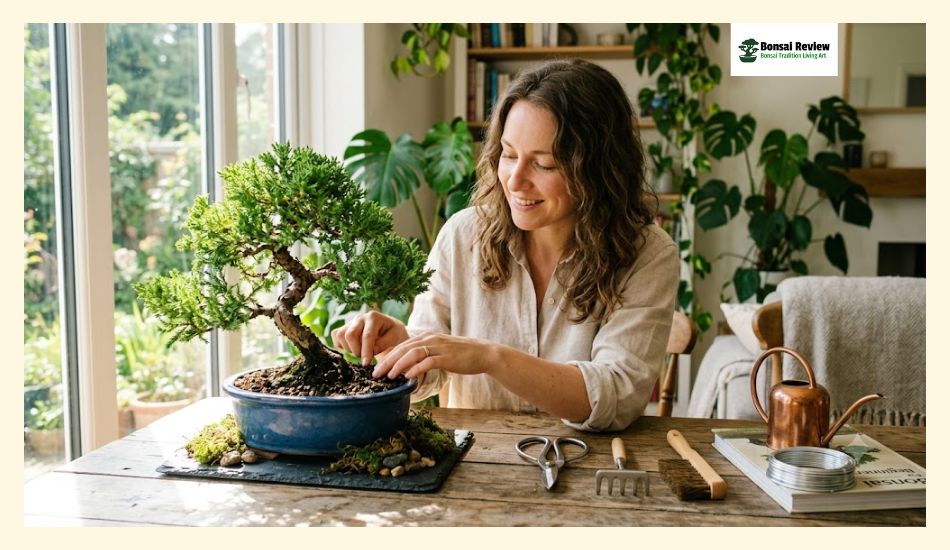
Bonsai Tree Care for Beginners: Is It Not a Type of Tree?
Here’s something that trips up almost every beginner. “Bonsai” is not a plant. It’s a technique.
Any tree can become a bonsai. A maple, a pine, a jade plant, even an oak. The word just means “tree in a tray,” and it describes a way of growing a normal tree in a small pot, with pruning and shaping keeping it tiny.
So when someone asks “what kind of tree is that bonsai?”, the real answer is a species name, like Ficus or Juniper. The bonsai part is just the style.
This matters because it changes how you shop. You’re not buying “a bonsai.” You’re buying a specific tree species that has been trained to grow small. And each species has its own rules.
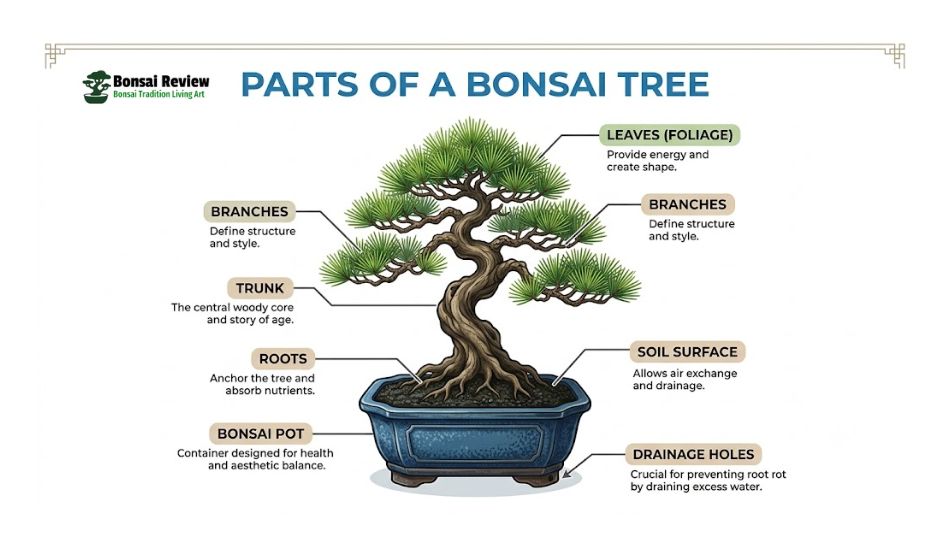
Pick a Tree That Matches Your Home
Your first decision matters more than any pruning cut you’ll ever make. Pick the wrong species for your space, and no amount of good care will save it.
Ask yourself one question first: will this tree live indoors or outdoors?
Most bonsai deaths trace back to this single mismatch. Tropical trees brought outside in winter freeze. Outdoor trees kept indoors slowly starve for light and never get the cold rest they need.
Here are the four species most bonsai tree care for beginners succeed with:
| Species | Best Location | Why It Forgives Mistakes |
| Ficus | Indoor | Handles low light and missed waterings well |
| Chinese Elm | Indoor or outdoor | Tough roots, bounces back fast from pruning slip-ups |
| Jade (Portulacaria afra) | Indoor | Stores water in its leaves, so it survives dry spells |
| Juniper | Outdoor only | Hardy in full sun, but it will die indoors long-term |
If you live in an apartment with average light, grab a Ficus or a Jade. If you have a sunny balcony or yard, a Juniper or an outdoor Chinese Elm is a strong pick. Skip pines and Japanese maples for now. They’re beautiful, but they punish small mistakes fast.
Many growers start with a beginner bonsai starter kit, since these usually come with a young tree already matched to a forgiving species, plus a pot and basic tools bundled in one box.
The Tools You Actually Need
You don’t need a full workshop to start. Three tools cover almost everything a beginner does in year one.
- A pair of sharp pruning shears. Regular scissors crush plant stems instead of cutting them clean, which leaves an open wound that invites disease. A dedicated set of bonsai pruning shears gives you a clean cut every time, and a clean cut heals fast.
- A small watering can with a fine spray head. This lets you water gently, without blasting the soil out of the pot.
- A chopstick or thin wooden skewer. Sounds odd, but you’ll use it to poke small holes in the soil during watering, so water reaches the roots instead of running straight off the top.
Wire and bigger tools can wait. Bonsai tree care for beginners learn to keep a tree alive first. Shape it later.
Soil: Where Most Beginners Go Wrong Without Knowing It
Regular potting soil is the single most common reason a beginner’s first bonsai dies within a few months, and almost nobody warns you about it.
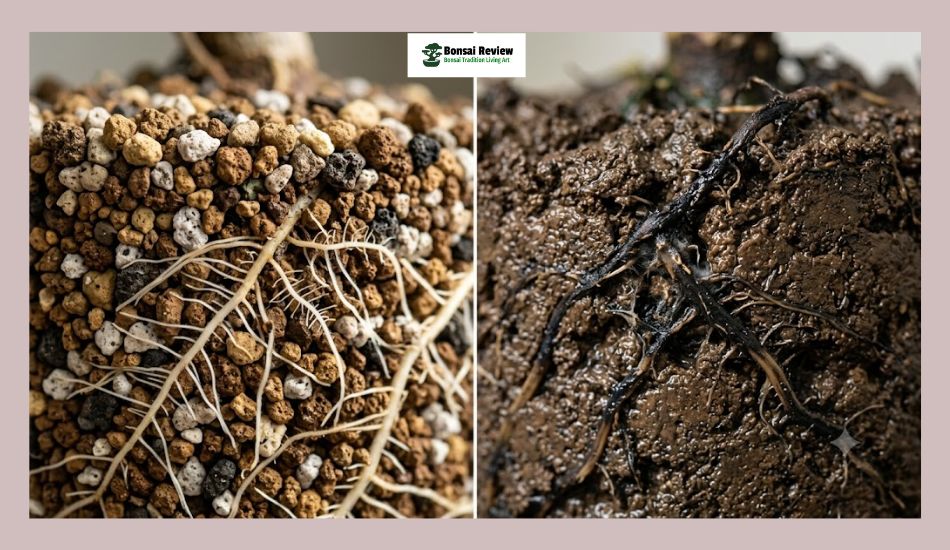
Potting soil is built for deep pots. It holds onto water for a long time, which is fine when roots have room to spread out. But a bonsai pot is shallow. That same water-holding soil turns into a swamp around the roots, and the roots start to rot from the bottom up, often before you notice anything wrong on the leaves.
Bonsai needs a mix that drains fast but still holds a little moisture. Look for a bagged bonsai soil mix built from ingredients like Akadama, pumice, and lava rock. These are small, hard particles that let air and water move through instead of sitting still.
One quick test: after you water, count the seconds until water drips out the bottom. If it takes longer than about 20 to 30 seconds, your mix is too dense, and it’s worth repotting into a proper bonsai blend at your next chance.
Watering: The Skill That Decides Everything
If you take one lesson from this whole guide, take this one. Watering on a fixed schedule is the top killer of beginner bonsai trees.
A bonsai pot is shallow, so the soil dries out fast, sometimes in a single day during summer. There’s no “water every Tuesday” rule that works for every tree, every season, every home.
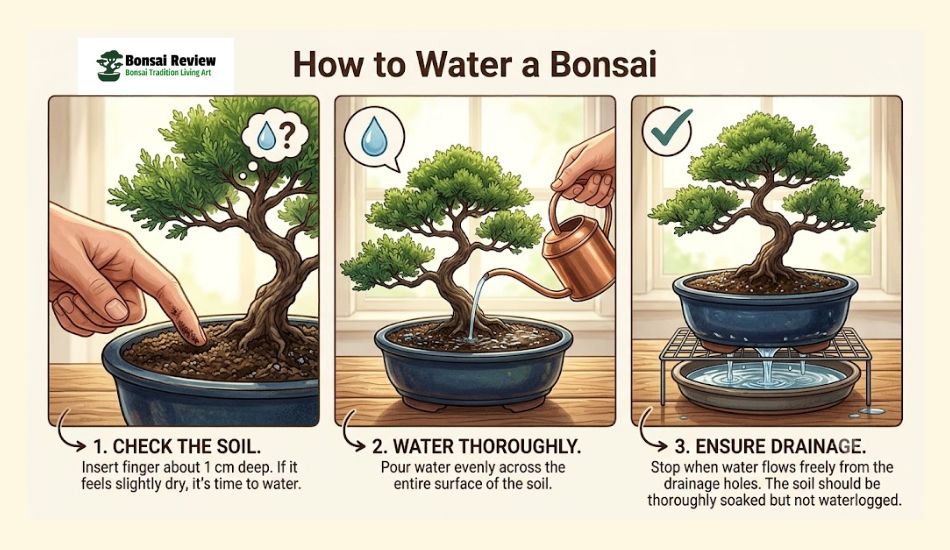
Instead, check before you pour. Push your finger about half an inch into the soil.
- Feels dry? Water it now.
- Still slightly damp? Wait and check again tomorrow.
When you do water, don’t just splash a little on top. Pour slowly until water runs freely out of the drainage holes at the bottom of the pot. That tells you water reached the full root system, not just the surface layer.
Expect to check most trees daily during warm months, and less often in winter when growth slows down. If you travel a lot or tend to forget things, that’s another reason a Jade plant is a smart first tree. Its thick leaves store extra water, so it forgives a missed day here and there.
Light: Give Each Species What It Actually Needs
Light needs to change a lot by species, so match the tree, not a generic rule.
Indoor tropical trees like Ficus and Jade want the brightest spot in your home. A south-facing windowsill works well in most of the US. If your home stays dim, a small grow light fixed above the tree makes a real difference.
Outdoor trees like Juniper need direct sun for at least 4 to 6 hours a day. Keep them outside through spring, summer, and fall. Don’t panic when winter comes; most outdoor species actually need a cold rest period to stay healthy long-term, so bringing them indoors to “protect” them can do more harm than good.
Feeding Your Tree
A bonsai in a small pot runs out of nutrients in its soil faster than a tree planted in the ground, so feeding matters more than it would for a regular houseplant.
During spring and summer, when your tree is actively growing, feed it a balanced liquid fertilizer every two to four weeks. Mix it to half the strength shown on the label. Bonsai roots are compact and concentrated, so a full-strength dose can burn them.
Stop feeding in late fall and through winter. Growth slows way down during this rest period, and extra fertilizer just sits unused in the soil.
Pruning: Two Kinds, Two Different Jobs
Pruning is what keeps a bonsai looking like a tiny tree instead of an overgrown bush. There are two types, and beginners usually only need one at first.
Maintenance pruning is the one you’ll do most often. Snip back new shoots and leaves as they grow past your tree’s outline. This keeps the shape tight and pushes the tree to grow smaller, denser leaves over time, which is a big part of the classic bonsai look.
Structural pruning happens less often. This is removing a full branch to change the tree’s overall shape or fix a spot that’s grown too thick. Save this for when your tree is healthy and actively growing, never right after repotting or during a stressed period.
Bonsai tree care for beginners is a simple rule for your first year: prune a little, often, rather than a lot, all at once. Always cut with sharp shears, at a slight angle, right above a leaf node.
Repotting: Don’t Rush This One
Most bonsai need repotting every two to three years, not every year. The roots fill the small pot slowly, and repotting too soon just stresses the tree for no reason.
You’ll know it’s time when roots start circling the inside of the pot or poking out of the drainage holes. Spring, right before the tree starts its big growth push, is the best time to report most species.
When you do it, gently trim back about a third of the root mass, place the tree in fresh bonsai soil, and water it well. Then keep it out of the strong direct sun for about two weeks while it settles in.
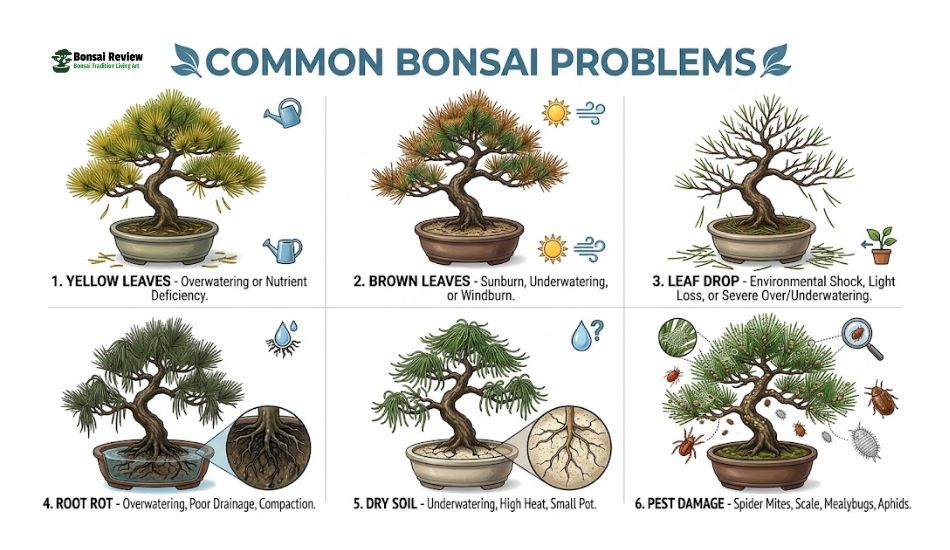
Common Mistakes That Kill Beginner Bonsai and How to Dodge Them
Even healthy bonsai trees can show signs of stress. The good news is that most problems are easy to fix when you catch them early. If your bonsai starts looking unhealthy, check the leaves, soil, and roots first. These clues often tell you what the tree needs.
1. Yellow Leaves
Yellow leaves are one of the most common bonsai problems for beginners. In many cases, the tree is getting too much water. Wet soil for long periods can stop roots from getting enough air.
Common causes:
- Overwatering
- Poor drainage
- Sudden temperature changes
- Lack of sunlight
- Old leaves dropping naturally
Easy fix: Yellow Leaves Bonsai Tree Care for Beginners
- Check the soil before watering.
- Water only when the top layer feels slightly dry.
- Make sure the pot has drainage holes.
- Move the tree to a brighter location if needed.
2. Brown Leaves
Brown leaves usually mean the tree is drying out or getting damaged by harsh conditions. Leaf edges often turn brown first.
Common causes:
- Underwatering
- Hot afternoon sun
- Very dry indoor air
- Missed watering during summer
Easy fix: Brown Leaves Bonsai Tree Care for Beginners
- Water thoroughly when the soil starts to dry.
- Protect the tree from extreme heat.
- Increase humidity for indoor bonsai like Ficus Bonsai.
- Remove completely dead leaves.
3. Dropping Leaves
Many beginners panic when leaves start falling. Some leaf drop is normal, especially after moving a bonsai to a new location.
Common causes:
- Stress after purchase
- Changes in light
- Overwatering
- Underwatering
- Cold drafts
Easy fix: Leaves Dropping Bonsai Tree Care for Beginners
- Keep the bonsai in one stable location.
- Avoid moving it often.
- Follow a regular watering schedule.
- Give the tree time to adjust.
4. Root Rot
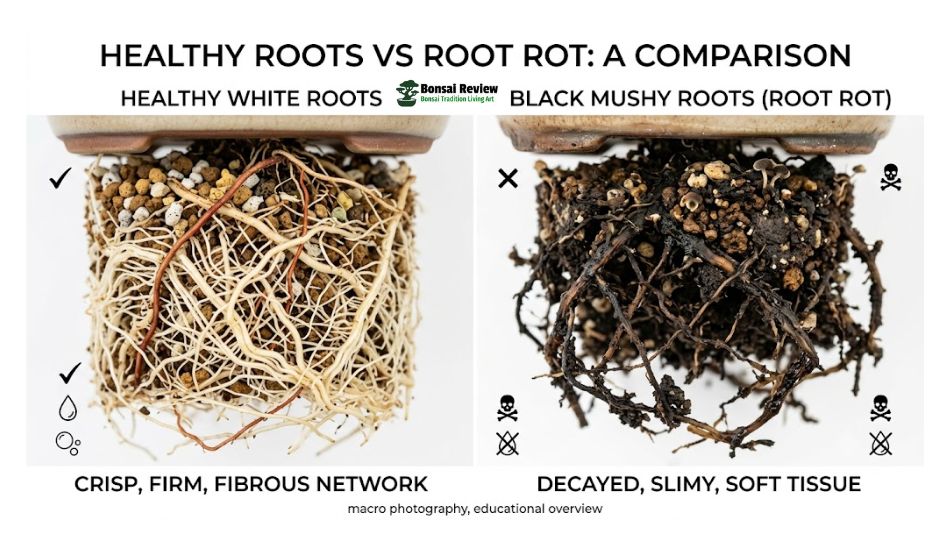
Root rot is one of the most serious bonsai problems. It happens when roots stay wet for too long and begin to decay.
Signs of root rot:
- Yellow leaves
- Black or soft roots
- Bad smell from the soil
- Weak growth
Easy fix: Bonsai Tree Care for Beginners
- Remove the tree from the pot.
- Cut away black or mushy roots with clean pruning shears.
- Repot into fresh bonsai soil.
- Improve drainage and reduce watering.
5. Dry Soil
A bonsai can dry out much faster than regular houseplants because it grows in a small pot.
Signs of dry soil:
- Wilted leaves
- Crispy leaf edges
- Soil pulling away from the pot
Easy fix: Bonsai Tree Care for Beginners
- Water slowly until water drains from the bottom.
- Soak the pot in water for 10 to 15 minutes if the soil becomes extremely dry.
- Check soil moisture daily during hot weather.
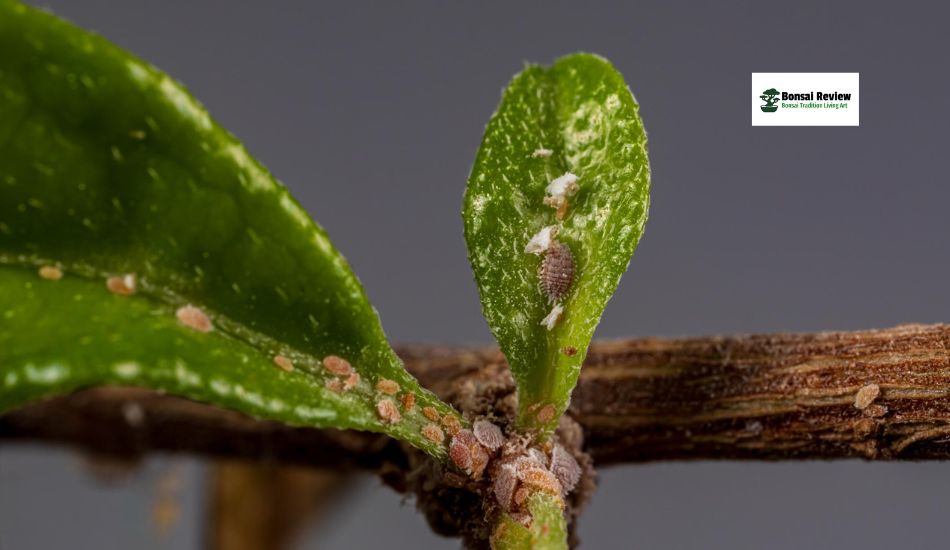
6. Pests
Small insects can weaken a bonsai if left untreated. Regular inspections help catch problems early.
Common bonsai pests:
- Aphids
- Spider mites
- Scale insects
- Mealybugs
Easy fix:
- Check leaves every week.
- Remove pests with a gentle spray of water.
- Wipe affected leaves with a damp cloth.
- Use insecticidal soap if the infestation grows.
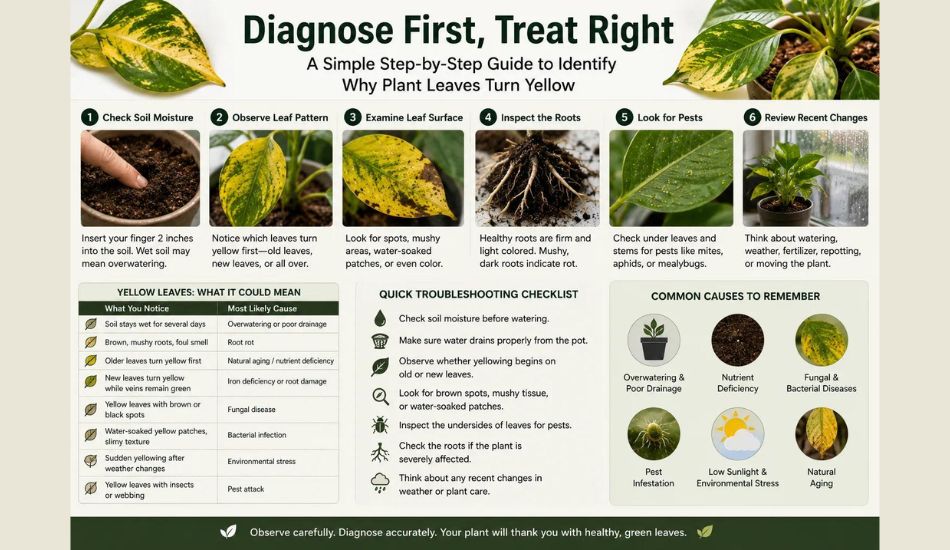
Bonsai Tree Care for Beginners: Common Bonsai Problems And Easy Fixes
- Watering on a calendar instead of checking the soil. Fix it by using the finger test every single time, not a fixed day of the week.
- Using regular potting soil. Fix it by switching to a fast-draining bonsai mix built for shallow pots.
- Picking a species that fights your home. Fix it by matching indoor trees to indoor spots and outdoor trees to outdoor spots, always.
- Bringing outdoor trees inside for winter “protection.” Fix it by trusting that cold-hardy species need their winter rest outside, mulched and sheltered from wind.
- Pruning right after repotting. Fix it by giving a newly repotted tree a few weeks to recover before you trim anything.
Quick Tip Bonsai Tree Care for Beginners
Most bonsai problems come from three things: too much water, too little light, or poor soil. When your tree looks unhealthy, check these areas first. A healthy bonsai with proper watering, good sunlight, and well-draining bonsai soil can recover from many common beginner mistakes.
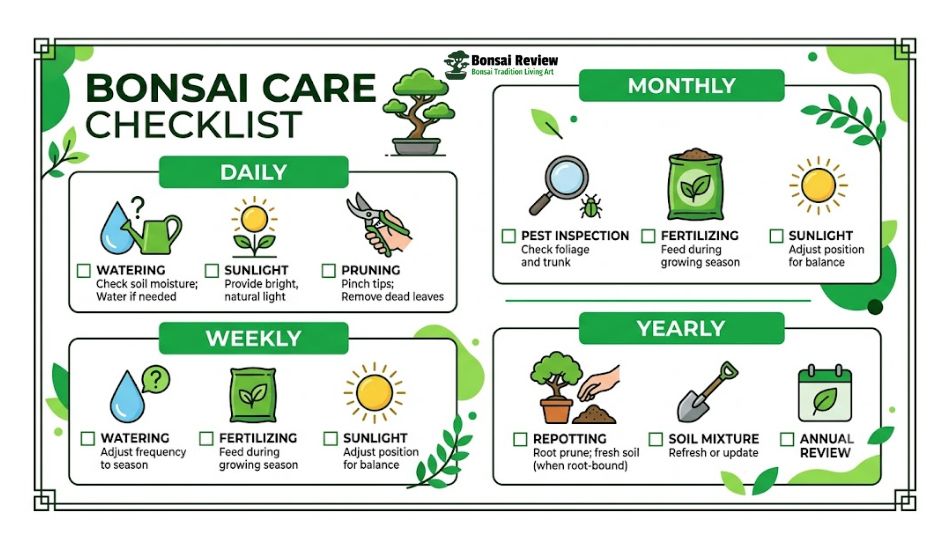
Bonsai Care Checklist for Beginners
Caring for a bonsai is much easier when you follow a simple routine. You do not need to spend hours every day. Just a few minutes of regular care can keep your tree healthy for years. Use this beginner-friendly checklist to know what to do and when to do it.
Daily Bonsai Care Checklist
Spend 2–5 minutes checking your bonsai each day.
- Check if the soil needs water: Water only when the top layer starts to feel slightly dry.
- Look at the leaves: Healthy leaves should have good color and no large brown or yellow patches.
- Make sure your bonsai gets the right amount of light: Indoor bonsai like Ficus Bonsai and Jade Bonsai need bright, indirect sunlight. Outdoor bonsai like Juniper Bonsai should stay outside.
- Check for pests on the leaves, stems, and soil surface: Finding insects early makes them much easier to remove.
- Empty any standing water from the drip tray: Bonsai roots should never sit in water.
Beginner Tip: Water based on the soil, not the calendar. Some days your bonsai will need water, and other days it will not.
Weekly Bonsai Care Checklist
- Set aside about 10–15 minutes once a week.
- Rotate your indoor bonsai a quarter turn so all sides receive even light.
- Wipe dust from the leaves with a soft, damp cloth. Clean leaves absorb more sunlight.
- Remove dead leaves, weeds, or fallen debris from the soil.
- Check branches for new growth and remove small unwanted shoots if needed.
- Inspect the pot’s drainage holes to make sure water flows out freely.
Beginner Tip: A clean bonsai is easier to inspect for problems before they become serious.
Monthly Bonsai Care Checklist
- Each month, give your bonsai a more careful inspection.
- Feed your bonsai with a balanced bonsai fertilizer during the growing season. Follow the label directions to avoid overfeeding.
- Check the soil condition. If it has become compacted or drains poorly, plan for repotting when the season is right.
- Look for roots growing out of the drainage holes. This may be a sign that your bonsai is becoming root-bound.
- Inspect the trunk, branches, and roots for signs of disease or pests.
- Clean the pot to remove algae, moss buildup, or mineral deposits.
Beginner Tip: Do not fertilize a weak, newly repotted, or unhealthy bonsai until it starts growing again.
Yearly Bonsai Care Checklist
- Some jobs only need to be done once every year or two.
- Repot your bonsai if it has outgrown its pot or the soil no longer drains well. Most beginner bonsai need repotting every 2–3 years, while young trees may need it more often.
- Prune larger branches to maintain the tree’s shape and encourage healthy growth.
- Replace old bonsai soil with a fresh, well-draining bonsai soil mix.
- Review your watering and fertilizing routine. Adjust it if your bonsai struggled during the past year.
- Check your bonsai tools. Clean and sharpen your pruning shears before the next growing season.
Beginner Tip: Spring is the best time to repot most bonsai because the tree can recover quickly as new growth begins.
Quick Bonsai Tree Care for Beginners Checklist
| Task | How Often |
| Check soil moisture | Daily |
| Water when needed | Daily (only if the soil starts to dry) |
| Check light and leaf health | Daily |
| Look for pests | Daily to Weekly |
| Clean leaves and remove debris | Weekly |
| Rotate indoor bonsai | Weekly |
| Fertilize during the growing season | Monthly |
| Inspect roots and soil | Monthly |
| Repot with fresh bonsai soil | Every 2–3 years (or as needed) |
| Major pruning | Yearly or when needed |
Following this simple checklist helps you build good habits. Instead of guessing what your bonsai needs, you will know exactly what to do each day, week, month, and year. Small, regular care is the secret to growing a healthy bonsai tree.
Beginner Tip: If you’re just starting, focus on learning how to water your bonsai correctly. Most beginner problems happen because of too much or too little water, and getting this one step right will help your tree stay healthy for years.
Conclusion: How Do You Care for a Bonsai Tree as a Beginner?
You now know the core habits that keep a bonsai alive: check the soil before you water, match light to your species, feed lightly in the growing season, prune a little at a time, and report only when the roots ask for it.
Your next step depends on where you’re starting. If you haven’t chosen a tree yet, start with species matching before anything else. If your tree is already home, focus on the watering routine first. It’s the habit that decides whether everything else you learn even gets the chance to matter.
Helpful article: Best Indoor Bonsai Trees for Beginners 2026 (Tried & Tested)
FAQs: Bonsai Tree Care for Beginners: Your Complete Starter Guide.
1. How long does a bonsai tree live?
With good care, many bonsai trees live for decades, and some famous specimens are over a hundred years old. Your tree’s lifespan depends far more on consistent care than on the species itself.
2. Can I keep any bonsai tree indoors?
No. Tropical species like Ficus and Jade do well indoors. Temperate species like Juniper and Japanese Maple need real outdoor seasons, including winter cold, and will slowly decline if kept inside year-round.
3. How often should I water my bonsai?
There’s no fixed number of days. Check the soil daily with your finger, and water only when it feels dry about half an inch down. In hot weather this might mean daily watering; in winter, it could be just once a week or less.
3. Why are my bonsai leaves turning brown or dropping?
This is almost always watering, light, or a sudden change in location. Check your watering habits first, since both too much and too little water cause leaf drop, then check whether the tree is getting the right amount of light for its species.
4. Why are my bonsai leaves turning yellow?
Yellow leaves are usually caused by overwatering, poor light, or sudden changes in temperature. Check that the soil drains well and only water when needed. A few older yellow leaves are normal as the tree grows.
5. What is the best soil for a bonsai tree?
Use a well-draining bonsai soil mix instead of regular garden soil or potting soil. Good bonsai soil allows water to drain quickly while giving the roots enough air to stay healthy.
6. When should I prune my bonsai?
You can lightly prune new growth during the growing season to keep your bonsai in shape. Larger pruning jobs are usually done in late winter or early spring before new growth begins. Always use clean, sharp pruning shears.
7. How often should I fertilize my bonsai?
Most bonsai trees should be fertilized every two to four weeks during the growing season, usually from spring through early fall. Reduce or stop fertilizing during winter if your tree is dormant. Always follow the instructions on the fertilizer label.
8. How do I know when my bonsai needs repotting?
Your bonsai may need repotting if roots are growing through the drainage holes, water drains very slowly, or the tree dries out much faster than before. Most beginner bonsai need fresh soil and repotting every two to three years.
9. Can a dying bonsai tree be saved?
Yes, many bonsai trees can recover if the problem is found early. Check the watering routine, sunlight, soil, and roots. Remove any dead branches, report if root rot is present, and give the tree time to recover. Healthy roots and proper care can often bring a stressed bonsai back to life.
10. Do beginners need bonsai wire right away?
No. Wire is used to bend branches into a specific shape, and it’s a skill worth learning once your tree is healthy and you’re comfortable with basic pruning. Skip it for your first few months.