


Best Indoor Bonsai for Beginners can save you time, money, and a lot of stress. You want a tiny tree. But you don’t want a dead bonsai tree in three weeks.
That’s fair. Most beginner bonsai die fast. Not because you did something dumb. It’s because most stores sell you the wrong tree for the wrong spot. Many people lose their first bonsai because they buy the wrong tree, not because they are bad at plant care.
Some bonsai need outdoor conditions, while others grow well indoors. Picking the right one is the first step to success. A few species forgive almost every rookie mistake. You just need to pick the right one and give it light, water, and a little patience.
This guide shows you the best indoor bonsai for beginners, tested against real care needs, gift-giving, and small budgets. You’ll also see why one popular bonsai, the juniper live plant, it is actually a trap for indoor growers, and what to buy instead.
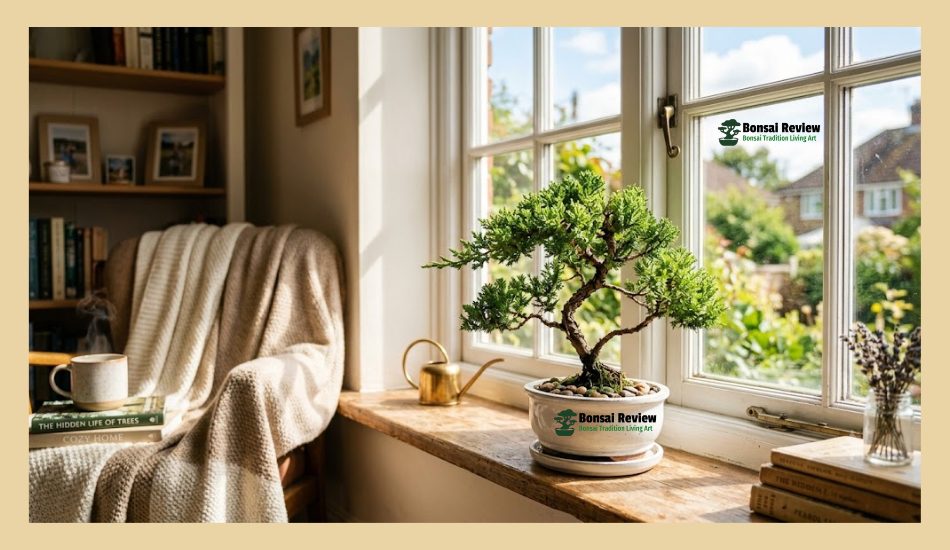
Best Indoor Bonsai Picks: Which Indoor Bonsai Is Best for a Total Beginner?
If you want an easy-to-care-for tree, you are in the right place. We looked at popular beginner choices like Ficus Retusa, Chinese Elm, Hawaiian Umbrella, Ginseng Ficus, Dwarf Jade, and Fukien Tea.
We compared how much light they need, how often they need water, how well they grow indoors, and how forgiving they are if you make small mistakes. Also explain why Juniper bonsai is usually not the best choice for indoor beginners.
If you only read one line, read this one.
The Ficus Retusa is the best indoor bonsai for beginners. It handles low light, forgives missed waterings, and bounces back fast when you mess up. If you want something even more forgiving, the Dwarf Jade is a close second, since it stores water in its leaves like a cactus.
Now let’s look at every option, side by side.
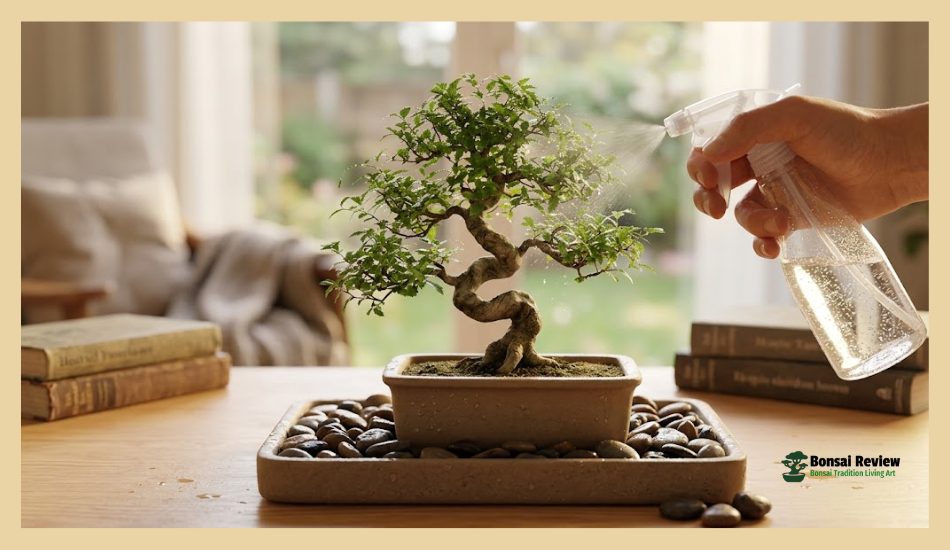
Comparison: Best Indoor Bonsai Trees for Beginners
| Bonsai Species | Difficulty | Light Needs | Watering | Best For |
| Ficus Retusa | Easy (1/5) | Bright, indirect light | Keep soil lightly moist | First-time owners |
| Dwarf Jade | Very Easy (1/5) | Bright light, some direct sun | Let soil dry between waterings | Forgetful waterers |
| Chinese Elm | Easy (1–2/5) | Bright light, part sun | Regular watering, don’t overdo it | Gift buyers who want fast growth |
| Hawaiian Umbrella | Easy (2/5) | Bright, indirect light | Moderate, consistent watering | Desks and offices |
| Golden Gate Ficus | Easy (1/5) | Bright, indirect light | Lightly moist soil | Small apartments |
| Juniper | Hard indoors (Not recommended) | Full outdoor sun | Daily in growing season | Outdoor patios only |
A quick note on that last row. Juniper shows up on almost every “beginner bonsai” list at the mall. It shouldn’t. We’ll explain exactly why further down, so you don’t waste your money.
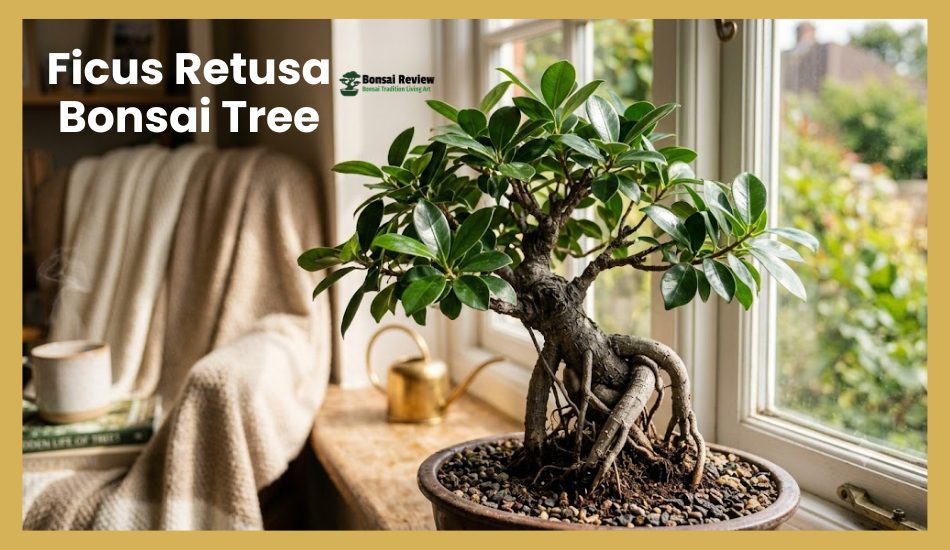
1. Ficus Retusa: The Best Indoor Bonsai for Beginners
This is the tree bonsai teacher’s hand to total beginners, and for good reason. The Ficus Retusa grows thick, gray aerial roots that give it a wild, ancient look, even when the tree is young. It comes from warm parts of Southeast Asia, so your heated living room feels like home to it. Regular houseplants often sulk indoors. This one doesn’t.
Why it works for beginners:
- It tolerates low light better than most bonsai species.
- It recovers from both overwatering and a few skipped waterings.
- Ficus Retusa plant drops a few leaves when stressed, then grows them right back.
- It’s easy to find and usually cheap to buy.
Watch out for: sudden leaf drop after you bring it home. This is normal. The tree is adjusting to your home’s light and air. Don’t panic, and don’t move it around the house looking for a “better” spot. Pick one bright window and leave it there.
Where to place it: an east- or west-facing window works well. A few hours of gentle morning sun is ideal.
Buy it here: Ficus Retusa Bonsai on Amazon. Brussel’s Bonsai.
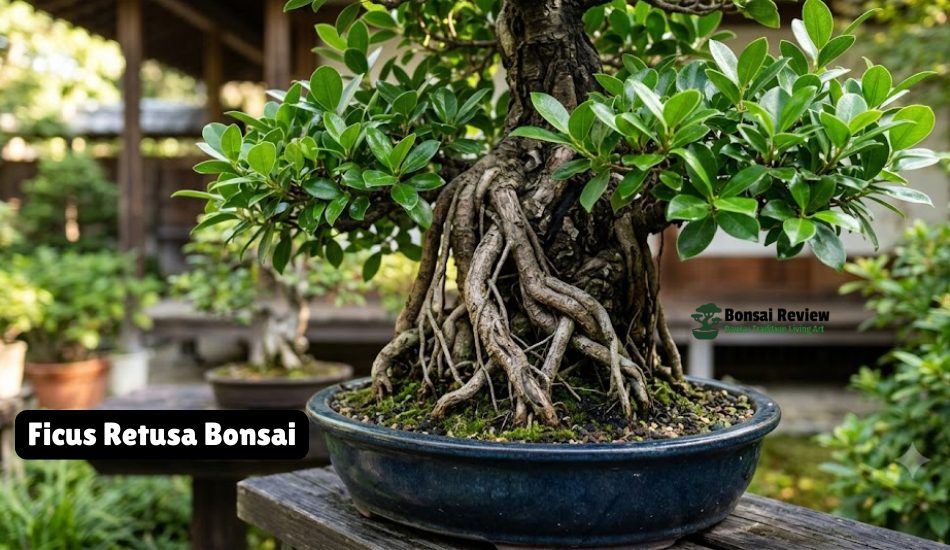
2. Dwarf Jade: The Almost-Impossible-to-Kill Option
If you travel a lot, or you know yourself well enough to admit you’ll forget to water sometimes, buy this one.
Dwarf Jade (Portulacaria afra) is technically a succulent, not a true tree. It stores water in its thick little leaves, so a missed week of watering won’t hurt it the way it would hurt a Ficus.
Why it works for beginners:
- It survives long dry spells without stress.
- Dwarf Jade’s thick trunk looks striking even on a young, cheap plant.
- It grows fast, so you’ll see visible progress within months.
Watch out for: too much water, not too little. This is the one bonsai where underwatering is safer than overwatering. Let the soil dry out fully between waterings.
Where to place it: a south-facing window with a few hours of direct sun each day works best.
3. Chinese Elm: Great for Gifts, Grows Fast
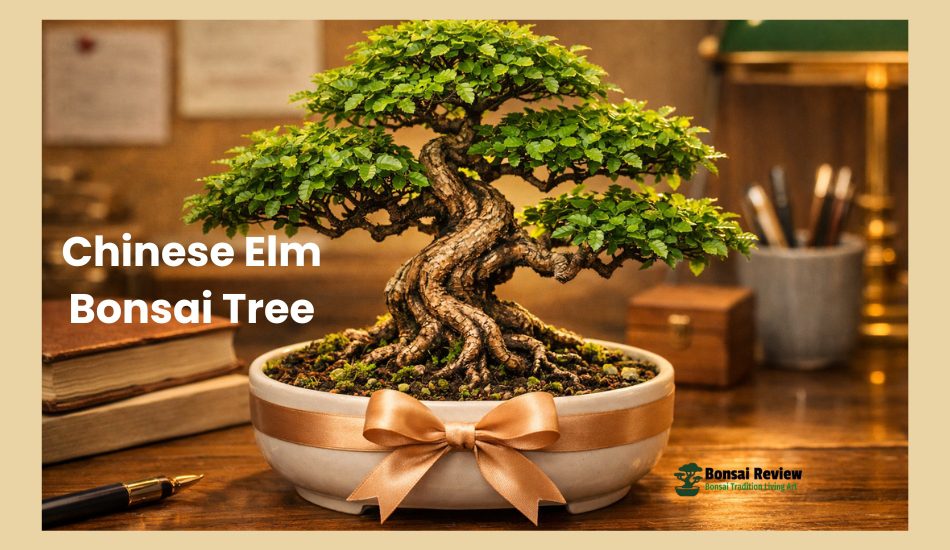
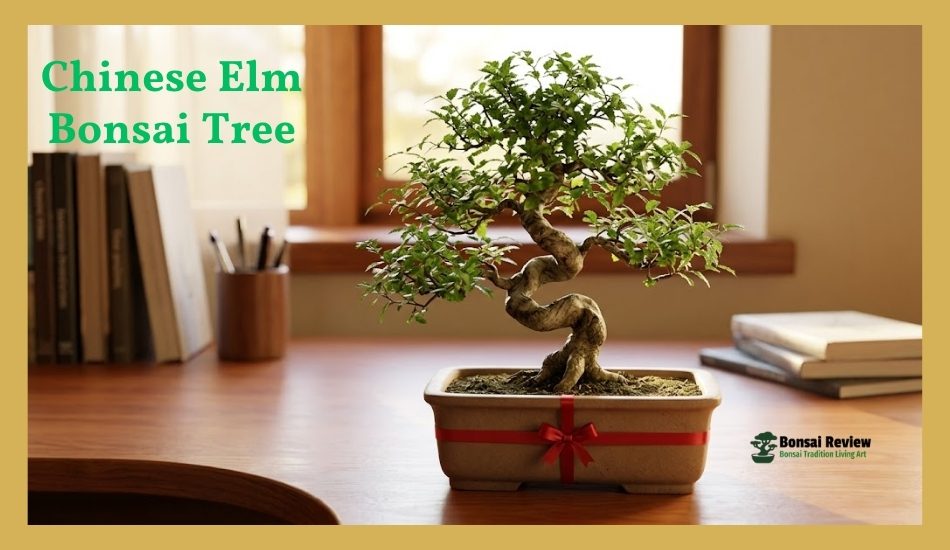
Chinese Elm is the tree most bonsai shops recommend as a starter gift, and it’s often the first bonsai someone ever owns. It has a naturally twisting trunk and small, neat leaves that already look “bonsai-shaped” without much shaping work from you.
Here’s an honest note most sellers skip: Chinese Elm actually does best with some time outdoors, especially in warmer months. But it’s tough enough to sit indoors on display for weeks at a stretch, which is exactly why it works so well as a desk or shelf gift. Just don’t expect it to thrive as a permanent, year-round indoor tree the way a Ficus will.
Why it works for gift buyers:
- It arrives already shaped, so it looks impressive out of the box.
- It grows fast, so the receiver sees new leaves within weeks a satisfying gift experience.
- Dwarf Jade’s one of the most affordable bonsai species available.
Watch out for: keeping it indoors permanently through winter. If you can, give it a spot outdoors (a balcony or porch works) during warm months, then bring it in for shorter stretches.
Buy it here: Brussel’s Bonsai Chinese Elm Starter Kit comes as a full gift bundle with a ceramic pot and soil, ready to wrap and give.
4. Hawaiian Umbrella Tree: Best for Desks and Offices
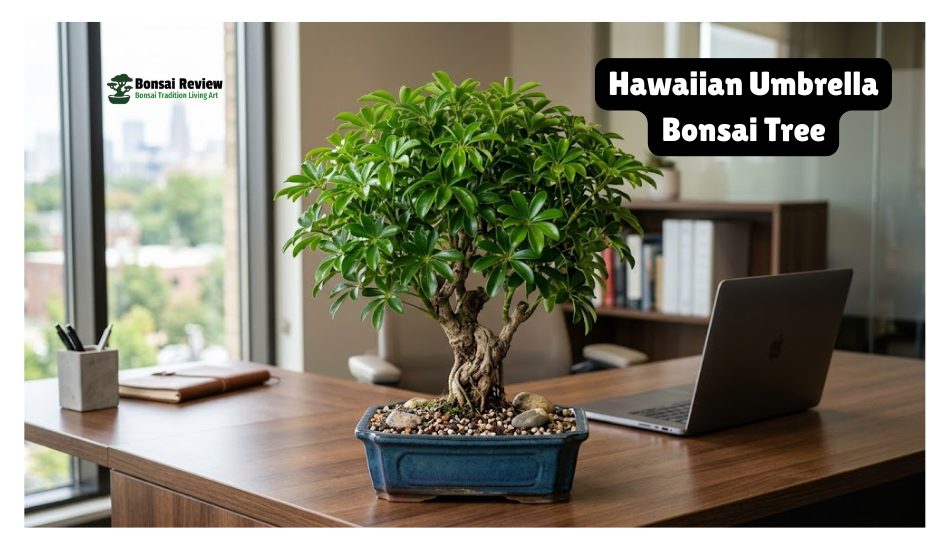
Hawaiian Umbrella bonsai tree earns its name from its leaves. They fan out from a central point, like a tiny umbrella. It’s a favorite for office desks because it tolerates artificial light better than most bonsai.
Why it works for beginners:
- Hawaiian Umbrella bonsai tree handles slightly lower light than a Ficus.
- It grows fast and heals quickly after pruning mistakes.
- It has a friendly, rounded shape that looks good in any room.
Watch out for: cold drafts. Keep it away from air conditioning vents and drafty windows in winter.
5. Golden Gate Ficus: Best for Tiny Spaces
If your windowsill is small, this compact ficus variety fits neatly on it. It shares most of the same easy-care traits as the Ficus Retusa but stays smaller for longer, which makes it a good pick for apartments, dorm rooms, or a crowded desk.
Why Juniper Bonsai Are NOT a Good Indoor Choice
This is the part most bonsai articles skip, and it’s the part that saves you the most heartbreak.
Junipers are everywhere. Malls, grocery stores, and mall kiosks sell them as “starter bonsai,” often wrapped in cute packaging that says nothing about their real needs.
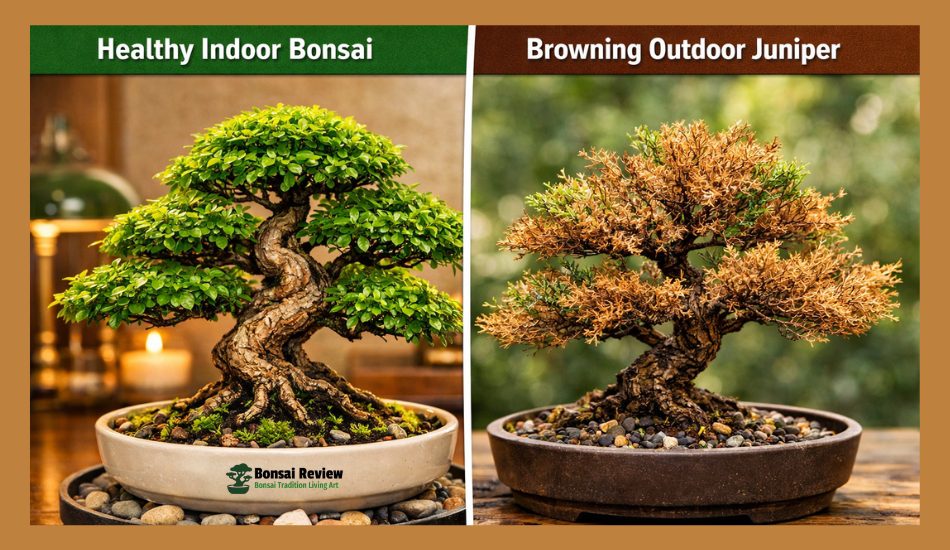
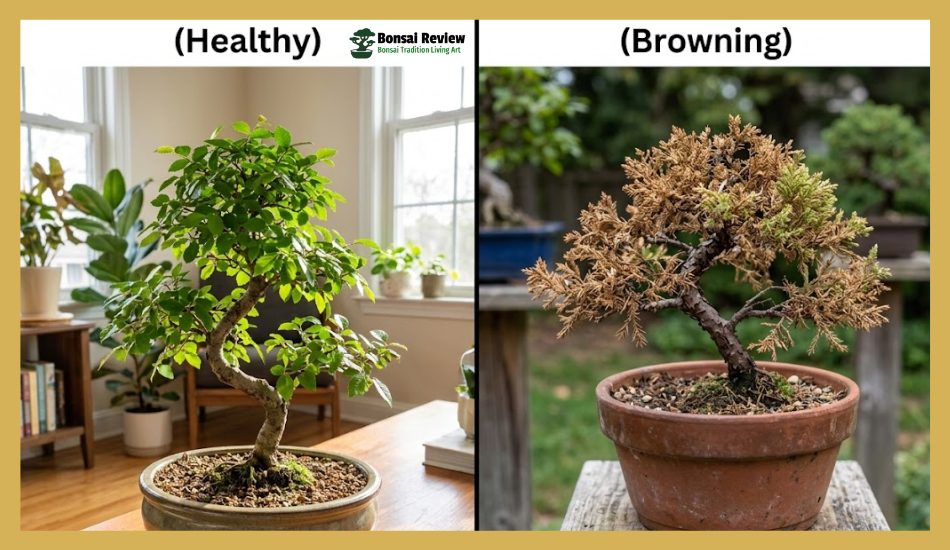
Juniper bonsai are outdoor trees. They need real sunlight, real seasons, and a real winter cold spell to survive in the long term. Bring one indoors and keep it there, and it will slowly turn brown and die, usually within a few months.
This isn’t a minor detail. It’s the single biggest reason beginner bonsai owners give up. They buy a juniper thinking it’s an indoor plant, it dies, and they assume they’re bad at bonsai. They’re not. They just got sold the wrong tree.
If you already own a juniper bonsai indoors, here’s what to do:
- Move it outside as soon as you can, somewhere it gets at least four hours of sunlight.
- If it’s freezing where you live, give it some shelter, like a porch or cold frame, once temperatures drop below 15°F.
- Only bring it indoors for a day or two at a time, for display, then move it back out.
If you want a juniper eventually, that’s great, and they make beautiful, tough bonsai for a patio or balcony. Just don’t plan on keeping one as a permanent houseplant. Save this guide’s top picks for that job instead.
Gift Buyer’s Guide: How to Choose the Right Indoor Bonsai?
Buying a bonsai as a gift is different from buying one for yourself. Here’s how to pick fast.
- If they’ve never owned a plant before: go with Ficus Retusa or Dwarf Jade. Both forgive mistakes, which matters more than looks for a total beginner.
- If they want something that looks “finished” right away: Chinese Elm arrives with a shaped trunk, so it looks like a real bonsai from day one, not a twig in a pot.
- If it’s going on a desk at work: Hawaiian Umbrella or Golden Gate Ficus handle office light and tight spaces well.
- If your budget is under $40: a small Golden Gate Ficus or Dwarf Jade kit gives the best look for the price.
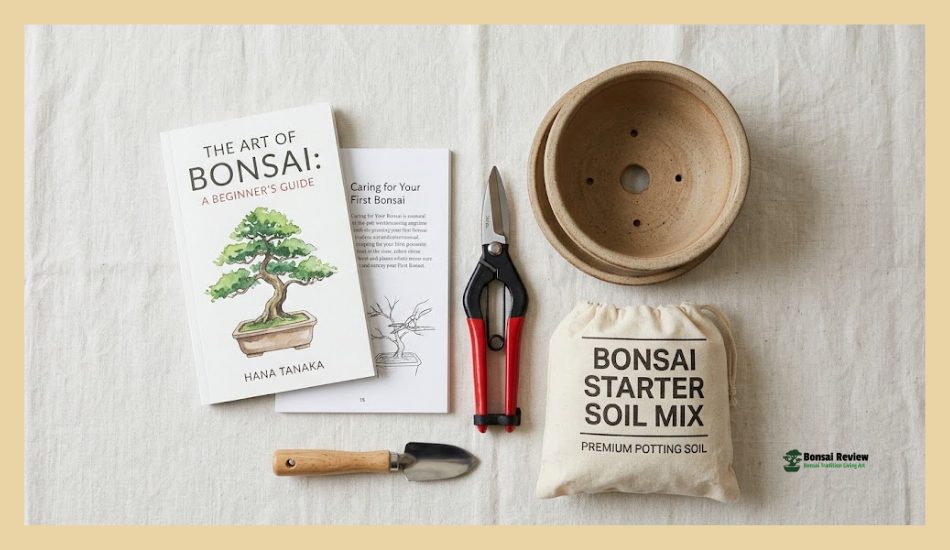
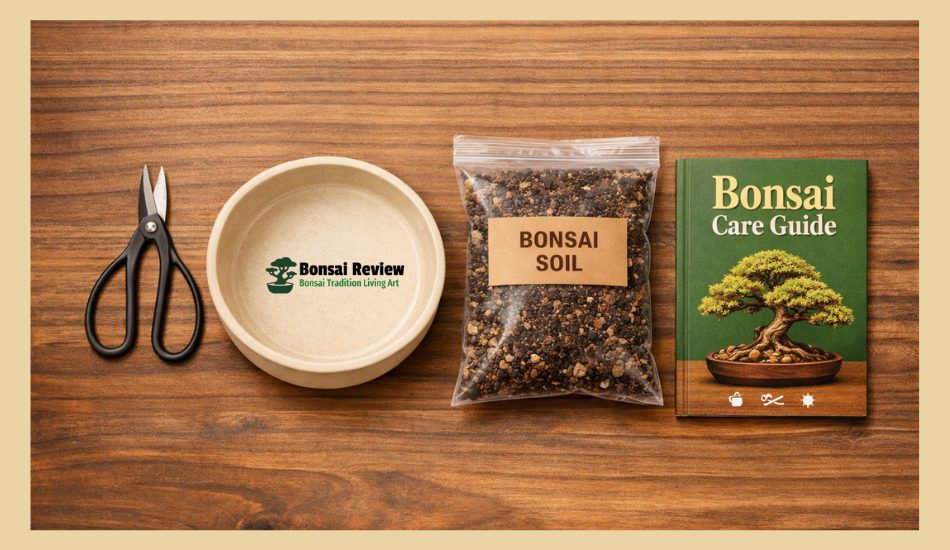
- If you want a full starter kit with tools included: look for a complete bundle rather than just a bare tree. A good kit saves the receiver a second trip to buy pruning shears, a humidity tray, and fertilizer.
Recommended full kit: 20 Pcs Bonsai Complete Starter Kit.
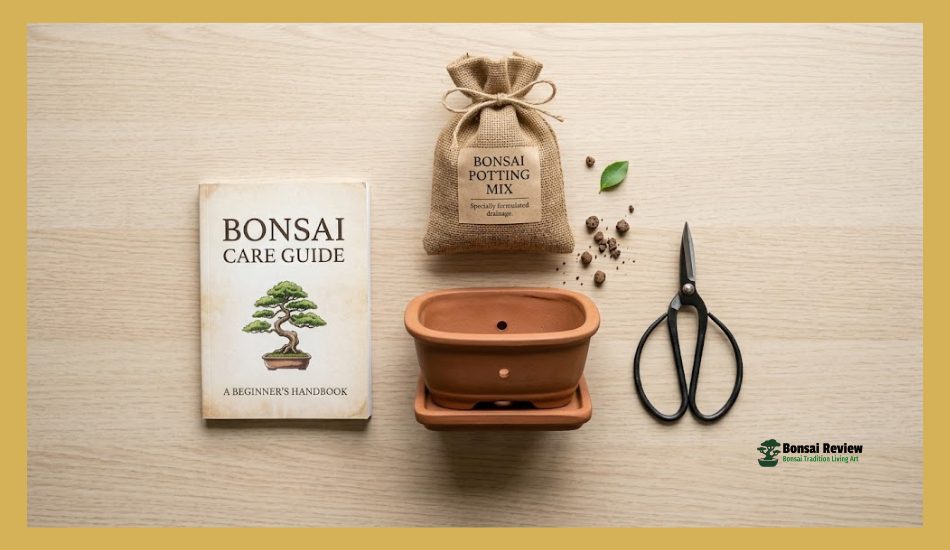
Includes the tree, a humidity tray, fertilizer, and a beginner’s care book, so there’s nothing extra to buy.
The Big Three: Light, Water, and Humidity
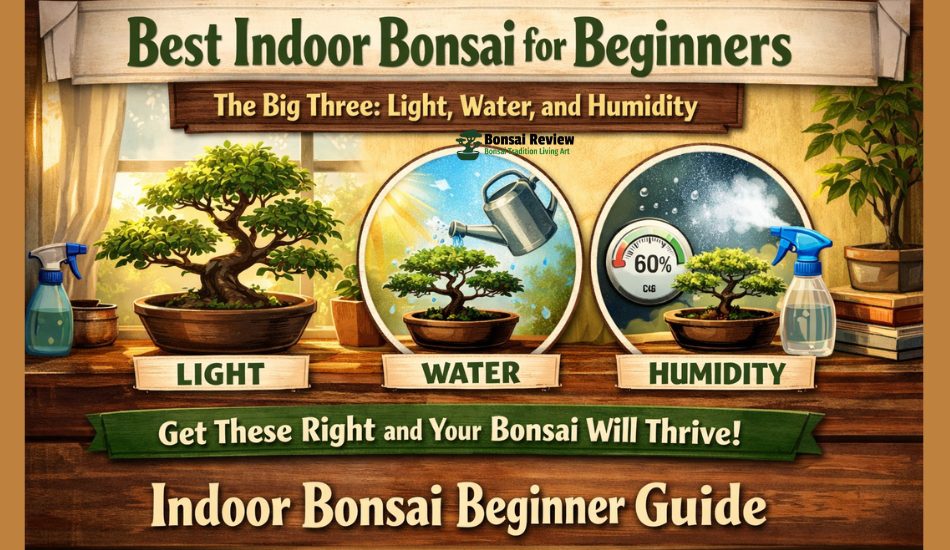
Every indoor bonsai, no matter the species, lives or dies by three things. Get these right, and almost any beginner tree will survive.
1. Light
Your bonsai needs more light than a normal houseplant. Most homes are too dim, even near a window, without you realizing it.
- Place your tree near an east- or south-facing window if you can.
- Give it a quarter turn each week so all sides get even light.
- If your room feels dim even during the day, add a small grow light. A basic 10–20 watt LED panel, run for about 10 hours a day, makes a real difference in winter.
2. Water
More bonsai die from overwatering than underwatering. Soggy roots rot. Rotted roots kill the tree from the inside, often before you notice anything wrong on top.
- Check the soil with your finger before you water. If the top inch feels dry, water it. If it still feels damp, wait a day.
- Water slowly until it runs out the drainage holes at the bottom of the pot.
- Never let the pot sit in a puddle of water in its tray.
3. Humidity
Indoor bonsai come from humid places. Your heated or air-conditioned home is much drier than that.
- Set the pot on a humidity tray, a shallow dish filled with pebbles and a little water. The pot sits above the waterline, not in it.
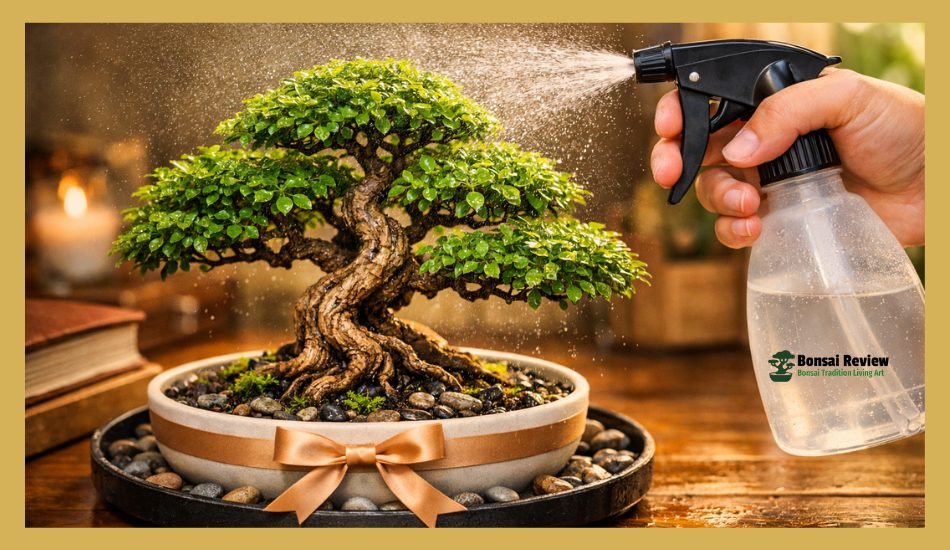
- Mist the leaves a few times a week, especially in winter when indoor air gets dry from heating.
- Keep your bonsai away from heating vents and cold drafts, which both pull moisture out of the air around it.
Common Beginner Mistakes to Avoid
- Buying a juniper for indoors: Covered above, but it’s worth repeating. This single mistake ends more beginner bonsai journeys than anything else.
- Watering on a fixed schedule: Your tree’s needs change with the season and the weather. Check the soil instead of watching the calendar.
- Pruning too soon or too much: Let a new tree settle into your home for a few weeks before you start trimming it.
- Panicking over leaf drop: A few dropped leaves after a move is normal stress, not a dying tree. Give it time before you assume the worst.
- Skipping fertilizer: Bonsai live in tiny pots with very little soil. Feed a light liquid fertilizer every couple of weeks during the growing season (spring through early fall).
Final Verdict: What Is the Easiest Indoor Bonsai Tree for Beginners to Grow?
Skip the juniper at the mall. It looks charming in the store and struggles the moment it gets home.
For your first indoor bonsai, go with a Ficus Retusa if you want the most reliable all-around tree, or a Dwarf Jade if you know you’ll sometimes forget to water.
Buying as a gift? A Chinese Elm starter kit gives the best “wow” moment out of the box, since it already looks like a proper bonsai.
Whichever tree you choose, provide bright light, check-not-schedule watering, and a little extra humidity. Get those right, and your bonsai will likely outlive the excitement of buying it in a good way.
Best Expert helpful article: How Often Should You Water a Bonsai Tree Without Killing It?
FAQs: What Are the Top Beginner-Friendly Indoor Bonsai Trees in 2026?
1. What is the easiest indoor bonsai tree for a total beginner?
The Ficus Retusa is the easiest overall. The Dwarf Jade is even more forgiving of missed waterings, since it stores water in its leaves.
2. Can a juniper bonsai live indoors?
Not long-term. Junipers are outdoor trees that need real sunlight and a cold winter rest period. Keeping one indoors year-round usually kills it within months.
3. How often should I water my indoor bonsai?
There’s no fixed number of days. Check the soil with your finger, and water only when the top inch feels dry. This changes with the seasons.
4. Is bonsai hard to keep alive?
Not if you choose the right species. Ficus, Dwarf Jade, and Chinese Elm are all built to forgive beginner mistakes. Most “bonsai are hard” stories come from people who bought a mismatched species, like a juniper for indoors.
5. What’s the best bonsai to give as a gift?
Chinese Elm starter kits are the most popular gift choice because they arrive already shaped and include everything needed to get started, right out of the box.