


Fake Bonsai Tree Care in the USA: Make your artificial dwarf indoor and outdoor plants look alive forever!
When you bring home a phony bonsai tree, it’s more than a cute home décor piece with a symbol of peace, balance, and nature’s beauty that fits right into your American lifestyle.
But here’s the thing, even though it’s “fake,” or faux bonsai tree still needs the right care, cleaning, and maintenance to keep that fresh, lifelike look.
Over time, dust buildup, sunlight fading, or even humidity in some U.S. states can dull its charm. That’s why learning fake bonsai tree care in the USA is so important, especially if your home has changing weather, indoor heating, or air conditioning.
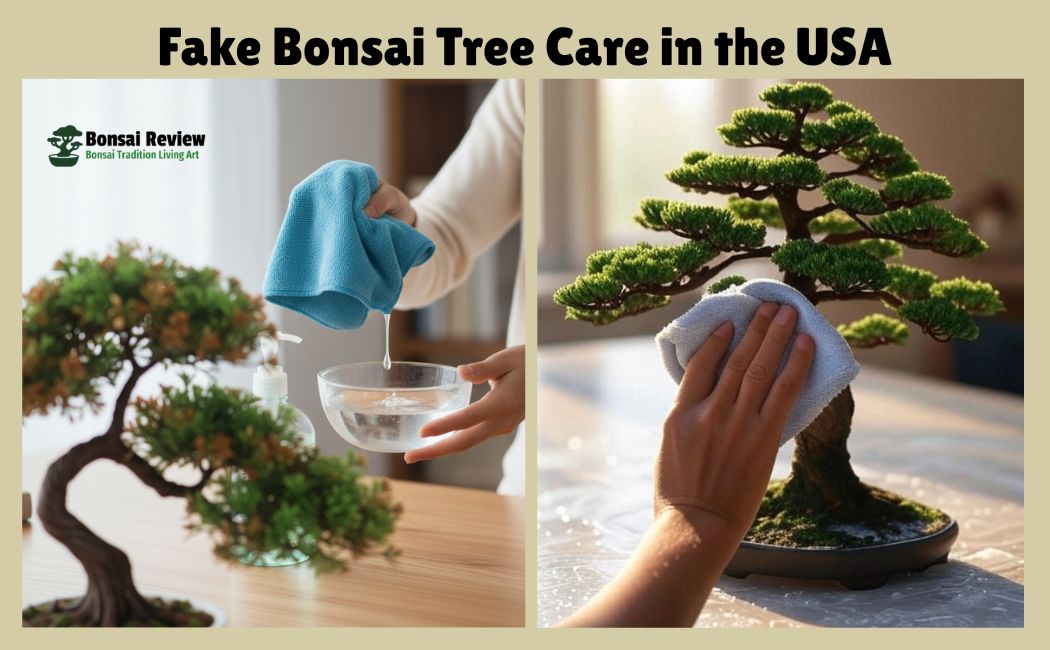
You don’t need to water, prune, or fertilize like a real bonsai, but you do need to wipe the leaves with a soft microfiber cloth, use a gentle cleaning spray, and sometimes reshape the branches for a natural look.
If your bonsai has silk leaves, keep it away from direct sunlight to avoid color fading. And if it’s a plastic bonsai or resin model, a quick dusting and mild soap rinse can make it sparkle again.
If you bought it from Amazon, Walmart, or a bonsai décor shop, caring for an artificial bonsai tree the right way keeps your home looking fresh, peaceful, and stylish.
Why Fake Bonsai Trees Still Need Care?
You might wonder, “If it’s fake, why should I care for it?” Well, even a fake bonsai tree gathers dust, dirt, and air particles like any other item in your home.
Over time, these little things can make your bonsai look dull and old. In the USA, where homes often have air conditioners, heaters, and dry indoor air, this problem shows up faster than you’d think.
When you skip cleaning, dust sticks to the silk or plastic leaves, blocking their shine and color. The branches may lose shape, and what once looked like a peaceful Zen art piece might end up looking like cheap décor.
Taking time to clean it also keeps your space healthier, and fewer dust particles mean cleaner air. A neat and bright bonsai boosts your home’s feng shui, giving calm energy to your room.
Proper care keeps your faux bonsai tree looking fresh, glossy, and natural, even if it’s artificial.
So, while your faux bonsai doesn’t grow, a little routine maintenance helps it stay as stunning as the day you brought it home.
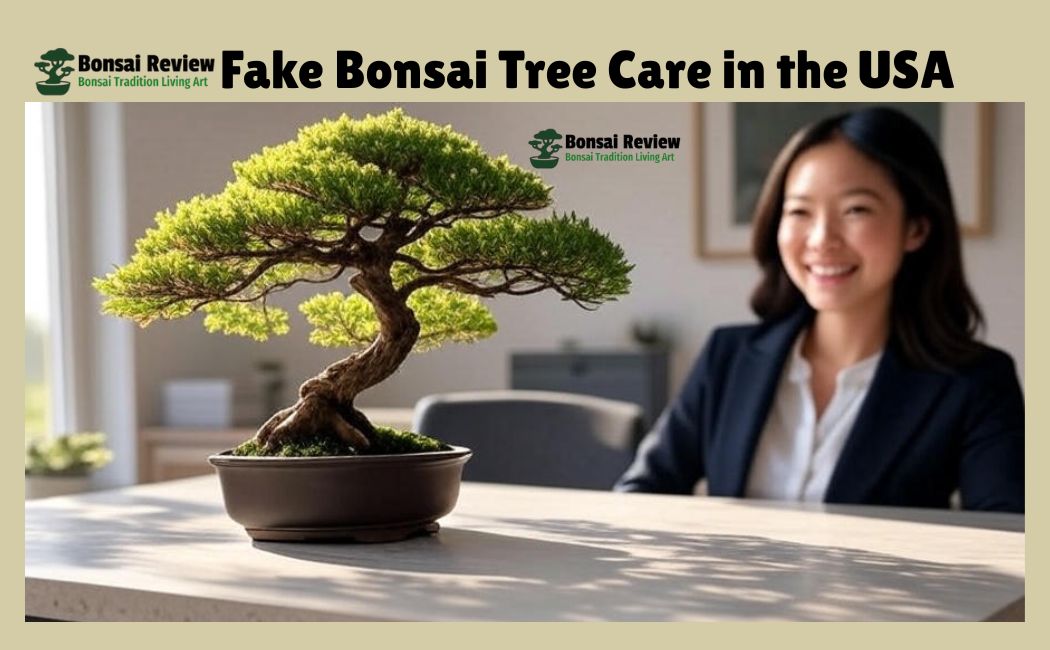
How to Clean and Maintain a Fake Bonsai Tree Step-by-Step?
Caring for your fake bonsai tree is simple once you know the right steps. You don’t need garden tools or special sprays, and a few everyday items from your home. Here’s how you can keep your artificial bonsai fresh and lively all year long:
Step 1: Dust It Weekly: Fake Bonsai Tree Care in the USA.
Use a soft microfiber cloth, a feather duster, or compressed air can to remove loose dust from the leaves and branches. This keeps the bonsai shiny and stops dirt from building up in corners.
Step 2: Deep Clean Monthly: Fake Bonsai Tree Care in the USA.
Once a month, mix a little mild soap with lukewarm water. Dip a soft cloth or sponge into the mix and gently wipe each leaf. If your bonsai has plastic or resin parts, you can rinse them under running water. Make sure to dry them right away with a towel.
Step 3: Handle Silk Leaves with Care
If your tree has silk leaves, never soak them. Instead, use a gentle fabric cleaner or dry cloth. You can even use a hair dryer on cool mode to blow off the dust safely.
Step 4: Shape the Branches: Fake Bonsai Tree Care in the USA.
Over time, branches might bend or lose form. Gently twist or bend them back into shape to keep that natural bonsai style. Don’t pull too hard, and it’s about finesse, not force.
Step 5: Control Sunlight Exposure: Fake Bonsai Tree Care in the USA.
Place your fake bonsai where it gets indirect sunlight. Too much sun can fade silk or plastic colors. If your bonsai sits near a window, rotate it once in a while to keep the color even.
Step 6: Keep It Fragrant and Fresh: Fake Bonsai Tree Care in the USA.
If you love a natural smell, you can spray a light air freshener or use essential oil mist nearby, not directly on the leaves.
These easy steps can make your fake bonsai tree last for years, keeping your home calm, clean, and welcoming.
Best Places to Display Your Fake Bonsai Tree in the USA
Choosing the right spot for your fake bonsai tree makes a big difference in how it looks and feels in your space. In the USA, where home décor trends mix modern style with nature-inspired touches, your placement decides whether your bonsai feels like an art piece or just another decoration.
If you live in a city apartment or suburban home, a coffee table, office desk, or bedroom shelf is perfect. These areas catch soft light, which helps your bonsai’s colors look more natural. For a living room, placing it near a window with indirect sunlight adds a calm, nature-like touch without worrying about fading.
In offices or study rooms, fake bonsai trees help create a stress-free environment, especially if you’re surrounded by screens and papers. You can also use them in restaurants, yoga studios, or spa corners, where they bring peaceful energy and balance, much like real bonsai trees do.
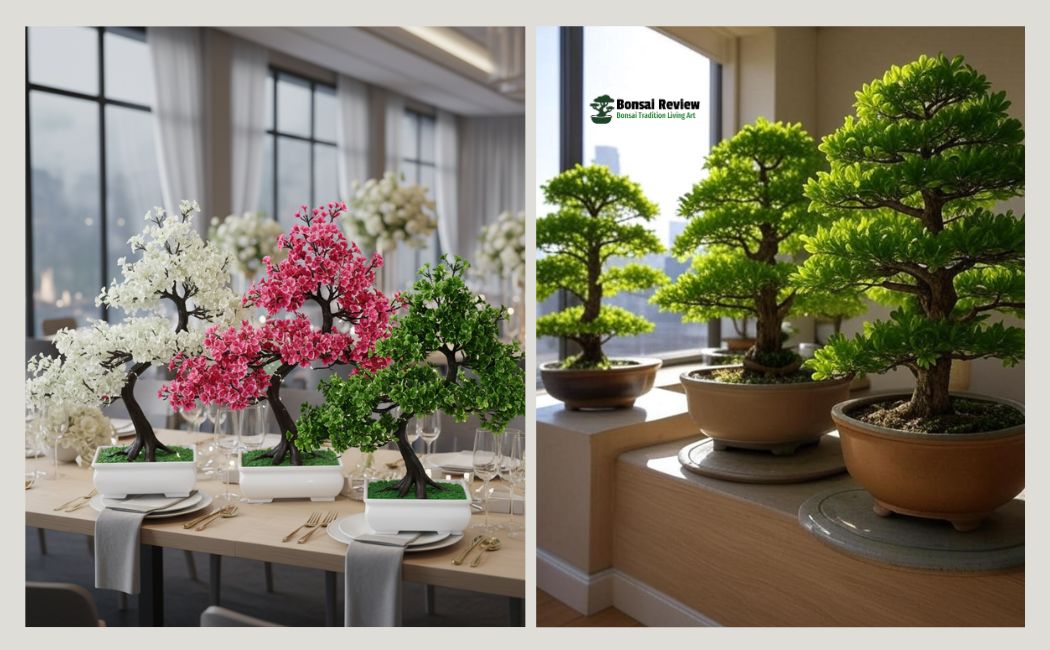
For outdoor-style setups, choose covered patios or porches. Keep the bonsai away from rain or strong sun. And if you’re decorating for a special event like a wedding, housewarming, or holiday party, a bonsai centerpiece adds that elegant, Zen-inspired charm everyone will notice.
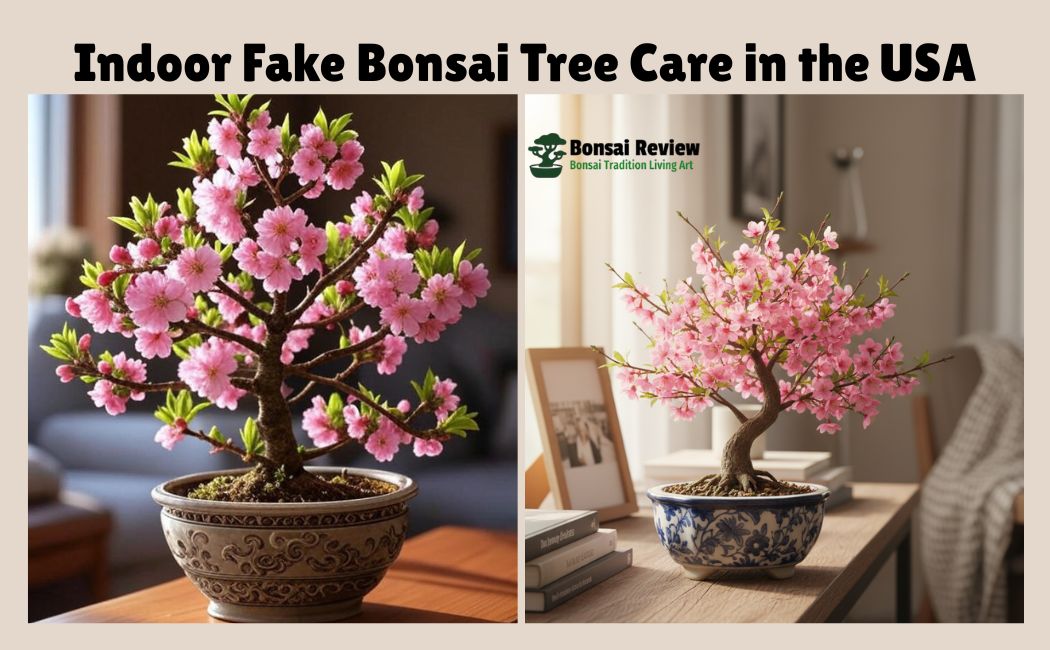
How to Choose the Right Fake Bonsai Tree for Your Home Decor?
Not all fake bonsai trees are the same, and some look realistic, while others feel too plastic. Choosing the right one for your home depends on your room style, lighting, and the mood you want to create. Here’s how you can pick the best one and make faux bonsai tree care in the USA fit beautifully in your space:
1. Pick the Material That Matches Your Lifestyle:
Silk Bonsai Trees: Perfect for bedrooms or calm corners. They look soft and real, but they need gentle care since silk can fade under sunlight.
Example: A Silk Ficus Bonsai from Amazon fits great on a wooden side table in your reading nook.
Plastic Bonsai Trees: Best for busy homes or offices. They’re sturdy, easy to clean, and don’t fade easily.
Example: A Plastic Juniper Bonsai on your office desk gives that calm, green touch without any effort.
Resin Bonsai Trees: Ideal for outdoor-style décor or patios. They’re weather-resistant and last long.
Example: A Resin Pine Bonsai in your covered porch adds a Zen feel to your entryway.
2. Match the Size to Your Space
Small spaces need mini bonsais, while wide tables or entry shelves can hold medium or large ones.
Example: A Mini Jade Bonsai suits your bathroom shelf, while a Large Maple Bonsai looks stunning on your living room console.
3. Choose the Color and Pot Wisely
Look for natural shades of green and brown instead of shiny tones. A ceramic or stone-look bonsai pot adds extra realism.
Example: A Bamboo-style pot gives an earthy vibe to your Zen corner, while a white marble pot blends well in modern homes.
4. Reflect Your Home’s Energy (Feng Shui Balance)
If you follow feng shui, place your bonsai in the southeast corner to attract calm and positive energy.
Example: A Fake Money Tree Bonsai near your workspace may symbolize growth and stability.
When you choose wisely, your fake bonsai won’t just decorate your home, and it’ll transform it into a peaceful space that always feels alive.
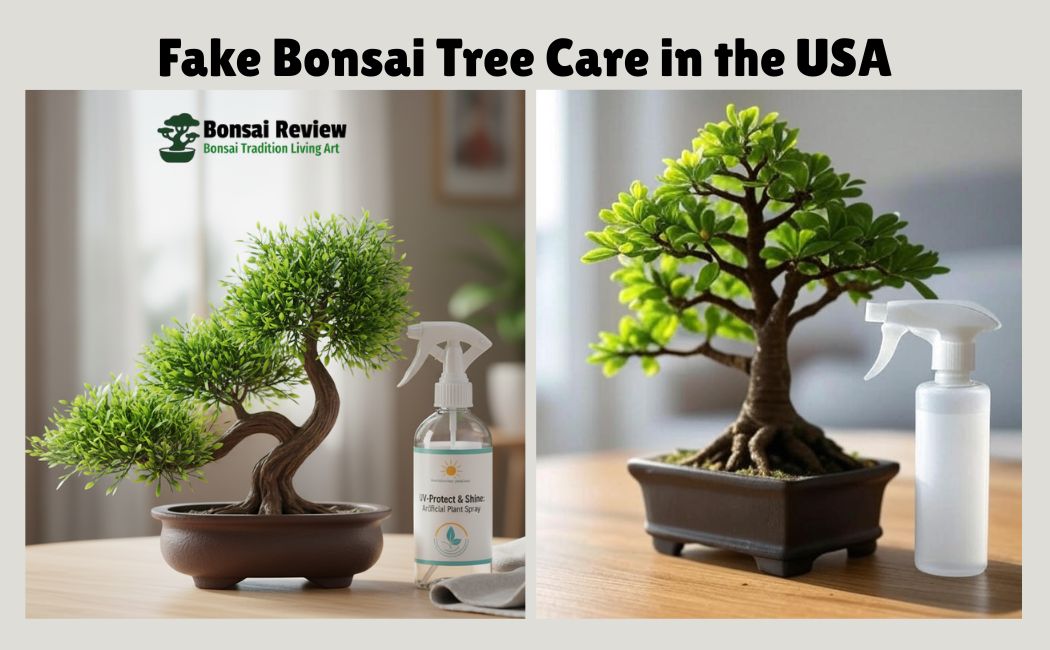
Common Mistakes People Make with Fake Bonsai Care and How to Fix Them?
Even though faux bonsai trees don’t need water or sunlight, some small mistakes can still make them look old and dull fast. Here’s what usually goes wrong and how you can fix it like a pro:
1. Placing It in Direct Sunlight: Fake Bonsai Tree Care in the USA.
Too much sunlight can fade the color of the leaves and branches. You may think it looks good by the window, but UV rays can make your green or pink bonsai look washed out.
Fix Fake Bonsai Tree Care in the USA: Keep your bonsai in a bright but shaded area. If you want it near sunlight, spray a UV-protection mist once a month to keep the color strong.
2. Forgetting Regular Dusting: Fake Bonsai Tree Care in the USA.
Dust makes even the most realistic artificial bonsai tree look lifeless.
Fix Fake Bonsai Tree Care in the USA: Use a microfiber cloth, soft brush, or hairdryer (on a cool setting) to clean it once a week. If it’s very dusty, lightly spray lukewarm water mixed with mild soap, then wipe it dry.
Example: A desk bonsai pine cleaned every week stays bright and fresh-looking for years.
3. Using Harsh Chemicals: Fake Bonsai Tree Care in the USA.
Cleaning sprays with bleach or alcohol can remove the paint or shine from the leaves.
Fix: Stick to gentle solutions water, baby shampoo, or vinegar mixed with water work best.
4. Wrong Placement Near Heat or Air Vents: Fake Bonsai Tree Care in the USA.
Heat dries out the plastic, while cold air from vents can make branches brittle.
Fix: Keep it at least 2 feet away from air vents, heaters, or open windows.
5. Ignoring Shape and Styling: Fake Bonsai Tree Care in the USA.
Over time, branches may bend or flatten, making your bonsai lose its natural shape.
Fix: Every few months, fluff the branches gently. If needed, use Permaplants styling gel to hold the shape in place.
Example Fake Bonsai Tree Care in the USA: A large potted artificial juniper bonsai placed on your living room floor can look freshly shaped if you gently twist and spread its branches occasionally.
When you fix these small mistakes early, your bonsai tree will keep its realistic, lifelike beauty, and you’ll never have to worry about fading or damage again.
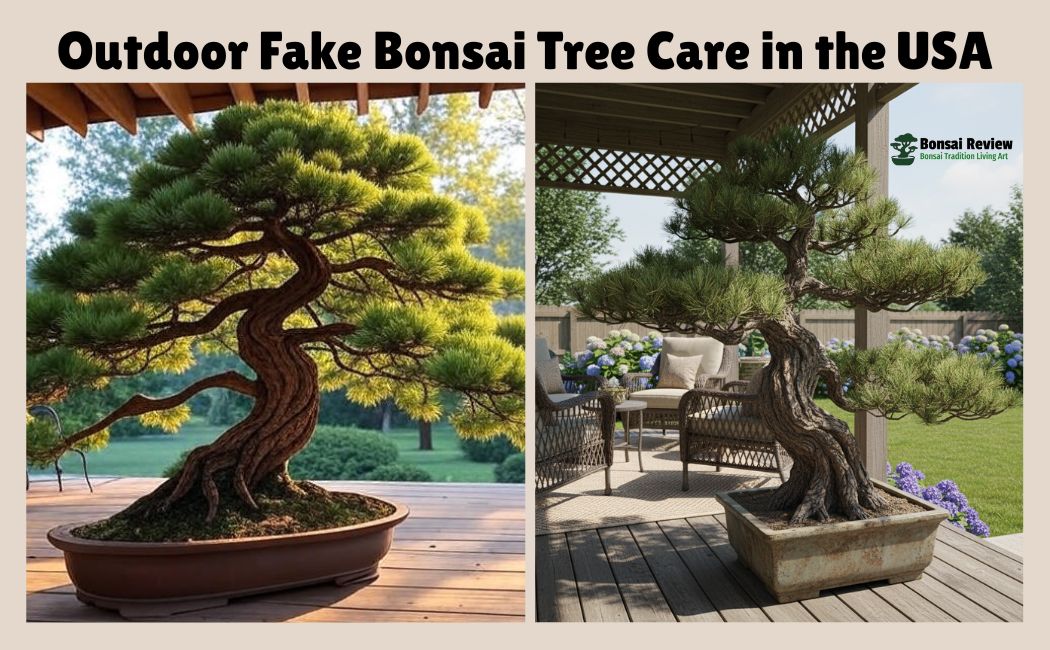
Quick Guide: How to Clean and Refresh Your Fake Bonsai Tree?
Here’s an easy-to-follow table that shows what to do, what tools to use, and how often, making your fake bonsai tree look fresh and realistic with minimal effort:
| Task | Tools Needed | Frequency | Tips / Example |
| Dusting | Microfiber cloth, soft brush, compressed air | Weekly | Gently wipe leaves and branches. Example: Dust your desk bonsai pine to keep it shiny. |
| Deep Cleaning | Mild soap, lukewarm water, soft cloth | Monthly | Wipe each leaf carefully. For plastic or resin bonsai, rinse lightly and dry immediately. |
| UV Protection | UV-protectant spray | Every 2–3 months | Spray evenly to prevent color fading, especially for silk or brightly colored bonsai. |
| Branch Shaping | Hands, Permaplants styling gel | As needed | Fluff and bend branches to restore natural shape. Example: A Large floor bonsai can be reshaped in minutes. |
| Faded Leaves Touch-Up | Fabric dye, touch-up paint | When needed | Test a small spot first. Use sparingly to restore colors on pink, green, or red bonsai leaves. |
| General Inspection | Eyes & hands | Weekly | Check for dust, loose branches, or dull leaves. Early fixes keep bonsai realistic longer. |
Makes caring for your fake bonsai tree in the USA easy and manageable, even if it’s a small tabletop bonsai or a large floor placement bonsai.
Best Places to Display Your Fake Bonsai Tree for Maximum Effect.
Where you place your fake bonsai tree matters just as much as how you clean it. The right spot makes it look lifelike and adds calm energy to your home or office. Here’s how to choose the perfect location:
1. Indoor Spaces:
- Desk or Workspace: A small bonsai on your office desk adds a peaceful touch while boosting focus.
- Living Room or Shelf: A medium or large bonsai on a coffee table or shelf creates a natural centerpiece.
- Bedroom or Reading Corner: A silk bonsai here softens the room’s atmosphere and adds calm vibes.
2. Event or Special Décor:
- Weddings or Parties: Use a tabletop bonsai as a centerpiece. Colors like green or pink pop beautifully in photos.
- Holiday Décor: Mix small bonsais with seasonal decorations for a festive yet Zen-inspired look.
3. Outdoor-Friendly Areas;
- Covered Porch or Patio: Use resin or plastic bonsais here to avoid damage from rain or direct sun.
- Zen Garden Corners: Pair with stones, moss, or decorative pebbles to make it look natural.
Tips for Placement: Fake Bonsai Tree Care in the USA Support.
- Avoid direct sunlight to prevent fading.
- Keep away from heat vents or humid spots.
- Rotate occasionally for even lighting and color.
By choosing the right spot, your artificial bonsai tree not only stays beautiful longer but also enhances the peace and style of your home or workspace.
Where to Buy the Best Fake Bonsai Trees in the USA?
Find the perfect faux bonsai tree online or nearby, including price range, size, type, and special features. This makes it simple to compare options and pick the right one for your home or office:
| Store / Website | Types Available | Size Options | Price Range | Special Features / Notes |
| Amazon | Juniper, Ficus, Pine, Cherry | Small, Medium, Large | Under $40 – $150+ | Wide variety, fast shipping, customer reviews available |
| IKEA | Small Tabletop Bonsai, Decorative Greenery | Small | $20 – $50 | Minimalist styles, indoor décor-friendly |
| Wayfair | Medium and Large Faux Bonsai | Medium, Large | $50 – $200 | Stylish pots, suitable for floor placement and living rooms |
| Home Depot | Plastic and Silk Bonsai | Small – Large | $30 – $120 | Durable for indoor/outdoor spots, easy to clean |
| Silk Plants Direct | Realistic Silk Bonsai, Decorative Trees | Small – Large | $40 – $180 | High realism, variety of colors, including green, pink, white, red, black |
| Artiplanto | Artificial Evergreen Bonsai | Small – Medium | $25 – $100 | Perfect for tabletops, includes UV-protection recommendations |
| Permaplants | Outdoor-Friendly Resin Bonsai | Medium – Large | $60 – $200 | Weather-resistant, long-lasting, suitable for porches or patios |
Tips for Buying:
- Check online reviews before purchasing to ensure a realistic appearance.
- For budget options under $40, Amazon and IKEA are best.
- For premium and realistic styles, consider Silk Plants Direct or Permaplants.
- Always pick the right size and color to match your room décor.
Helps you quickly compare stores, types, and prices, making it easy to get the perfect fake bonsai tree in the USA.
Outdoor vs. Indoor Fake Bonsai Care in the USA.
A clear comparison of the main care differences between indoor and outdoor fake bonsai trees. This makes it easy for readers to understand where and how to place their bonsai for best results:
| Aspect | Indoor Fake Bonsai | Outdoor Fake Bonsai | Tips / Examples |
| Exposure to Sunlight | Indirect light; avoid direct sun to prevent fading | Can handle filtered sunlight; avoid harsh, direct sun | Example: A silk bonsai on a living room shelf vs. a resin pine bonsai on a covered porch |
| Dust & Dirt | Collects dust from indoor air, AC, and heating | Can gather dust, pollen, and debris from the wind | Wipe with a microfiber cloth or use a soft brush weekly |
| Cleaning Method | Damp cloth with mild soap; gentle dusting | Hose down (for plastic/resin); wipe leaves; avoid soaking silk | Example: Outdoor resin bonsai can handle occasional rinsing |
| UV Protection | Optional, mainly for brightly colored silk bonsai | Highly recommended; UV sprays protect colors | Use UV-protectant spray for outdoor bonsai |
| Placement | Desks, shelves, tabletops, and living room corners | Covered patios, balconies, and Zen garden corners | Rotate for even lighting and exposure |
| Maintenance Frequency | Weekly dusting, monthly deep clean | Weekly dusting, occasional rinse after rain or dirt buildup | Example: A Juniper bonsai on a covered porch may need more frequent inspection after storms |
Popular Artificial Bonsai Types in the USA
When it comes to fake bonsai trees, the USA market offers a wide variety of options that suit different spaces, styles, and purposes. Here are some of the most popular types and what makes them special:
- Juniper Bonsai: Classic and realistic, often used for a Zen-inspired look. Great for desktops, shelves, or tabletops.
- Ficus Bonsai: Soft leaves and natural shape make it perfect for bedrooms or living rooms. It’s one of the most lifelike silk bonsais.
- Cherry Bonsai: Known for its delicate pink blossoms, ideal for adding a pop of color to indoor décor or special events like weddings.
- Pine Bonsai: Evergreen charm and a natural look. Resin or plastic pine bonsais are durable and often used for outdoor-style corners or large floor displays.
- Blue Bonsai: Artistic and modern, this type works well for creative spaces or as a statement piece.
- Fruit Bonsai: Adds playful color and style without needing real fruits. Great for kitchens, dining areas, or kid-friendly spaces.
- Mini or Tabletop Bonsai: Small-sized bonsais that fit perfectly on desks, side tables, or shelves. Ideal for apartments or limited spaces.
- Large Floor Bonsai: Makes a bold decorative statement in living rooms, offices, or entryways. Often used with ceramic or decorative pots to enhance realism.
Tips for Choosing the Right Type:
- Match the bonsai type with your room style and lighting.
- Consider size and color, green, pink, white, red, or black bonsais fit different décor themes.
- Pick material based on location: silk for indoor elegance, resin/plastic for durability and outdoor-style setups.
Conclusion: Enjoy the Beauty of Fake Bonsai Trees in the USA
Caring for a fake bonsai tree in the USA doesn’t have to be complicated. With the right cleaning routine, proper placement, and occasional branch shaping. Your artificial bonsai can stay vibrant, realistic, and full of life for years.
Choose a silk bonsai for elegance, a plastic or resin bonsai for durability, or a mini tabletop for small spaces. These trees bring a touch of nature and peace into any home or office.
Even if an artificial dwarf plant and your bonsai still need dusting, UV protection, and gentle care to maintain their charm. Display it thoughtfully on a desk, coffee table, shelf, or porch to enhance your interior décor and overall ambiance.
From colorful cherry bonsais to classic green pines, and from small desk bonsais to large floor placements, there’s a fake bonsai tree for every taste and space.
By following these simple steps, you not only protect your investment but also enjoy the calming, aesthetic benefits of nature indoors without the stress of watering, pruning, or fertilizing.
Your faux bonsai tree is more than décor, and it’s a lasting symbol of tranquility and beauty that fits perfectly into your American lifestyle.
Get a more informative article: Artificial Bonsai Trees with Flowers: Real Beauty with Zero Care.
FAQs About Fake Bonsai Tree Care in the USA.
1. Can I keep a fake bonsai tree at home?
Yes! Fake bonsai trees are ideal for indoor spaces, including living rooms, bedrooms, offices, and even kitchens. They don’t need sunlight or water, making them suitable for low-maintenance décor.
2. How often should I clean my fake bonsai tree?
Weekly: Light dusting with a microfiber cloth or soft brush. Monthly: Deep cleaning with a mild soap solution for plastic or resin bonsais. Silk bonsais should be wiped gently without soaking.
3. Can fake bonsai trees fade in color?
Yes, especially silk or brightly colored bonsais. Avoid direct sunlight and consider using a UV-protection spray to keep the colors vibrant.
4. Can I place a fake bonsai outdoors?
Yes, but only in covered or sheltered areas. Resin or plastic bonsais are more suitable for outdoor-style placements like porches or patios, while silk bonsais should remain indoors.
5. How do I make my artificial bonsai look more realistic?
Fluff and gently bend branches for a natural shape. Dust and clean regularly. Use realistic pots and small decorative elements like moss or stones.
6. Are there budget-friendly fake bonsai options?
Yes! You can find quality bonsais under $40 on Amazon or IKEA, especially mini tabletop models perfect for desks and shelves.
7. Do fake bonsai trees require pruning or fertilizing?
No. Unlike real bonsais, artificial ones only need dusting, occasional cleaning, and branch shaping.
8. Can I use a fake bonsai for special events?
Absolutely! Fake bonsais work beautifully as wedding centerpieces, holiday décor, or office displays. Silk or colorful bonsais add a realistic touch without worrying about maintenance.