


Bonsai Tree Facts for Kids: “Have you ever seen a tree so tiny it can fit in your hand? That’s a bonsai tree. The word bonsai means ‘tree in a pot.’
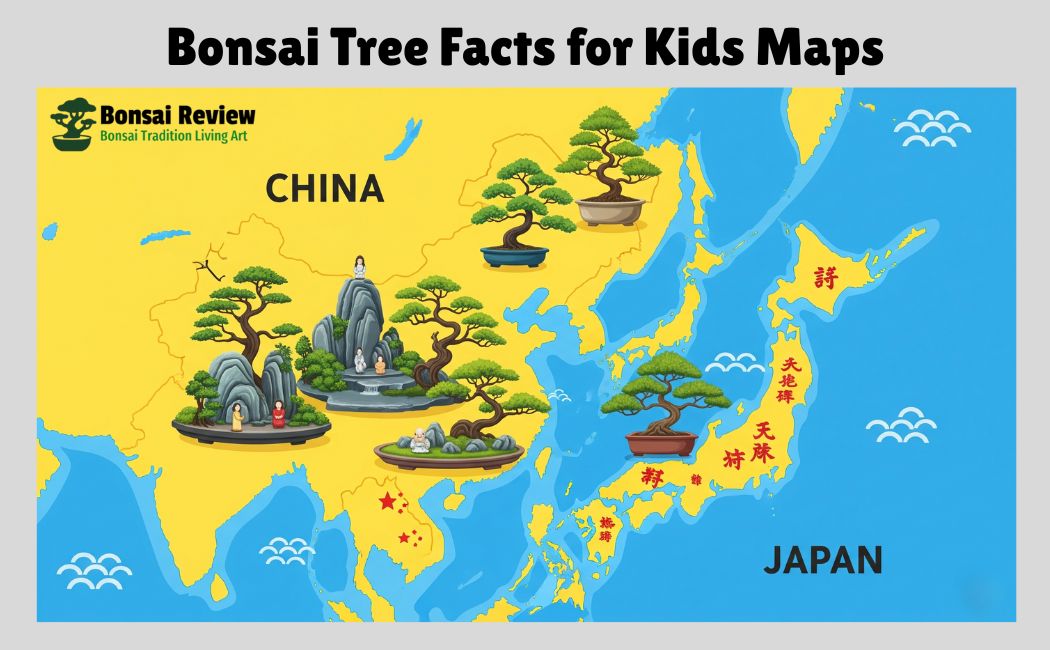
Bonsai first began in China a long time ago, where it was called penjing, and later became a famous art in Japan.
People all over the world now enjoy this tradition, and places like the National Bonsai Foundation and the National Arboretum in Washington, D.C. help protect and share these trees.
One famous tree, the Hiroshima Yamaki Pine, even survived the atomic bomb and still lives today. Bonsai come in many types, like juniper bonsai, ficus bonsai, Chinese elm, and pine.
They can grow both as indoor bonsai and outdoor ones. You might have seen bonsai in movies like The Karate Kid with Mr. Miyagi, or in shows like Cobra Kai.
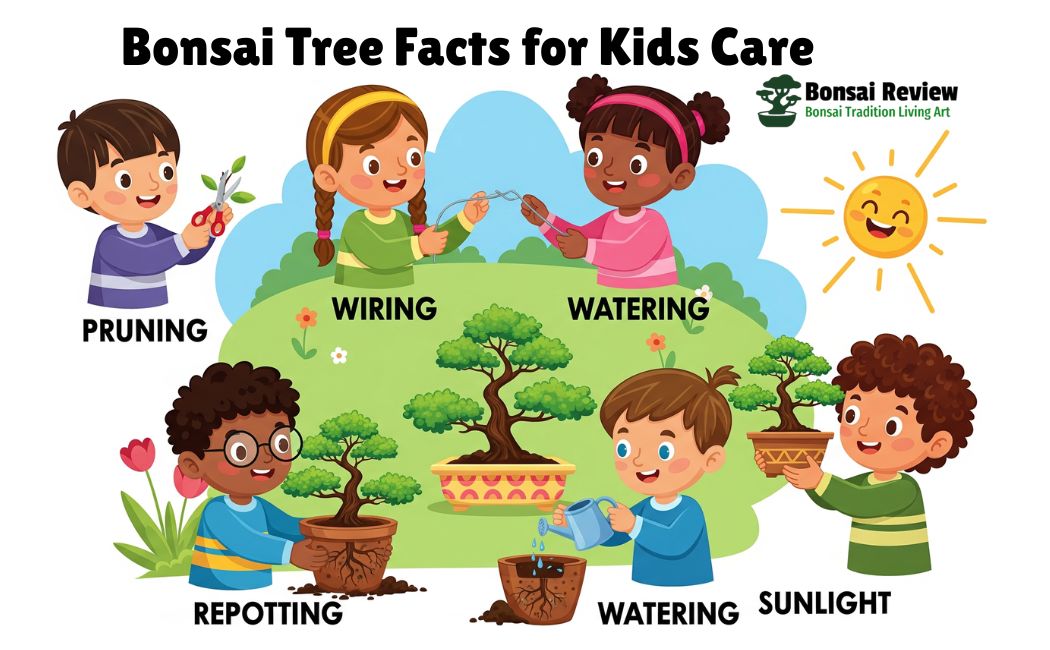
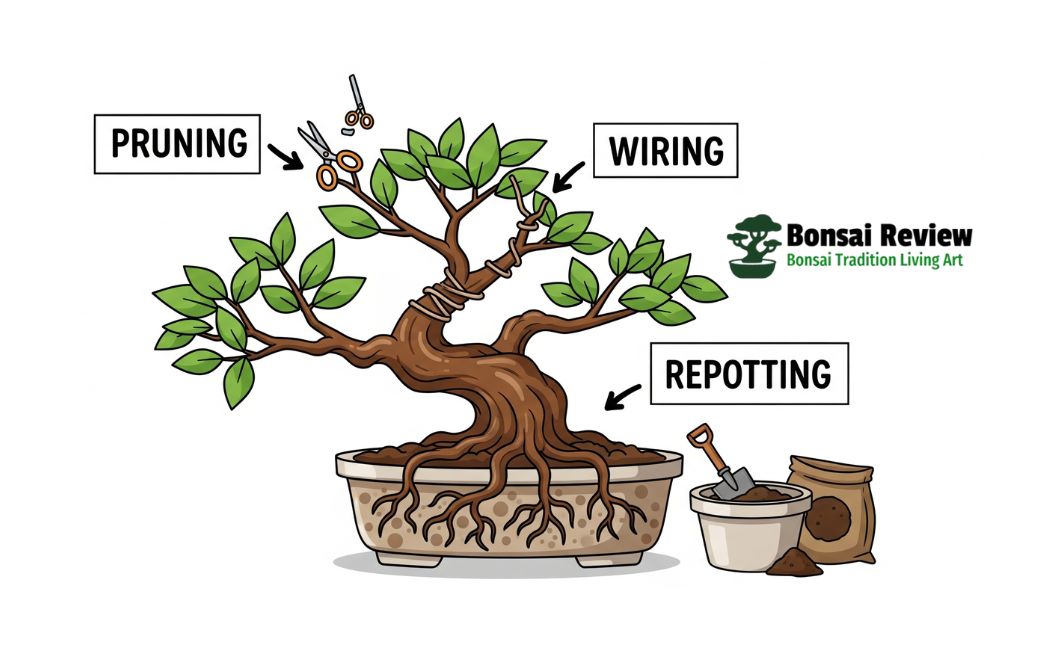
Taking care of a bonsai means pruning, wiring, and repotting, but kids can start small with a bonsai kit or even join bonsai classes.
These little trees are more than plants, and they’re living art that teaches patience, peace, and harmony. Some bonsai are even sold for thousands of dollars, and the oldest bonsai trees can live for more than 1,000 years! Cool, right?”
Bonsai are not special dwarf trees, but normal trees that are kept small through pruning and training, a Japanese art form meaning “planted in a tray“.
This ancient practice, which originated in China, requires artistic skill to shape the trees to look like nature’s full-sized trees in miniature form.
Bonsai Tree Facts for Kids are not genetically modified; instead, root and branch pruning, limited nutrients, and root restriction techniques keep them small to create a beautiful, miniature work of art.
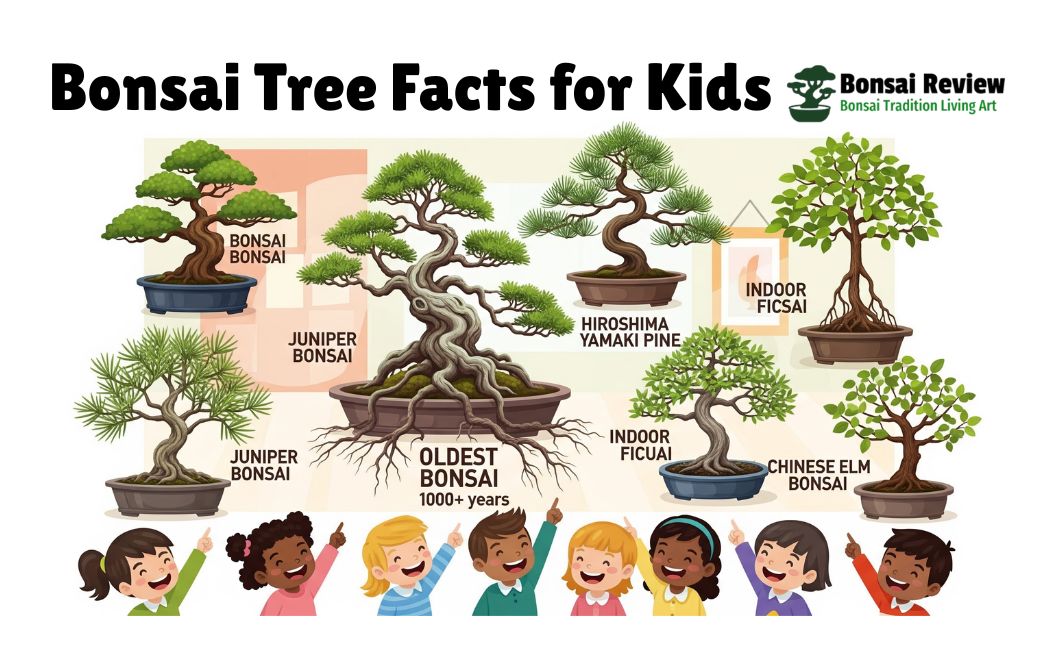
What is a Bonsai Tree? Why is Bonsai special?
Have you ever seen a dwarf tree so tiny it can sit on your desk? That little tree is called a bonsai. The word bonsai means ‘tree in a pot,’ and it first started in China long ago as penjing.
Later, people in Japan made bonsai famous as a special art. A bonsai may look small, but it is a real tree, just like the big ones in the park.
Not a special tree: Any type of tree or shrub can be grown as a bonsai.
A form of art: It is a Japanese art form that involves growing trees in pots to resemble miniature versions of full-sized trees. The name’s meaning: The word “bonsai” is Japanese for “tree in a tray“.
How are Bonsai Tree Facts for Kids kept small?
- Pruning: People carefully cut the branches and roots to keep the tree small.
- Wiring: Branches are wired to shape the tree and hold it in the desired position.
- Limited space: The tree’s roots grow in a small pot, which restricts how much they can grow.
- Careful feeding: Bonsai trees receive limited nutrients and water, which helps to keep their growth slow.
- Realistic nature: The goal is to create a realistic miniature scene of nature.
- Artistic skill: It requires artistic talent to make a tree look beautiful and full of life.
- A lifelong hobby: Bonsai can be a lifelong hobby, as they are cared for and maintained for many years, sometimes even for generations.
There are many kinds of bonsai, like juniper bonsai, ficus bonsai, and Chinese elm. People love them because they bring peace, patience, and beauty into daily life.
And guess what? With a bonsai kit, even kids like you can start learning how to grow one!”
What Is a Bonsai Tree and Why Is It So Special?
A bonsai tree is a real tree that grows in a pot instead of in the ground. The word “bonsai” comes from Japanese and means “tree in a pot.” But bonsai did not start in Japan. It originated in China more than a thousand years ago, where it was known as Penjing.
Later, Japan made bonsai famous as a kind of Zen living art. Unlike a normal tree in the park, a bonsai is kept small through pruning, wiring, and repotting. Even though it looks tiny, it can live just as long or even longer than a full-size tree.
Example of bonsai tree facts for kids: Imagine a Chinese elm tree that normally grows taller than your school bus. If someone trains it as a bonsai, it can stay small enough to sit on your desk, but it will still have the same leaves, bark, and even tiny fruits.
The art was adopted and refined in Japan, particularly during the Kamakura period, where it was influenced by Zen Buddhism and further developed with new techniques, tools, and styles. The term “bonsai” itself refers to the Japanese practice and culture.
Parents and teachers often love bonsai because they teach patience, care, and creativity. Kids can also start with an indoor bonsai, like a ficus bonsai, or even try a bonsai kit that comes with seeds, soil, and a little pot.
This way, you and your child can grow a bonsai together, bonsai tree facts for kids, just like families once did in Japan and China many centuries ago.
Where Did Bonsai Come From and Who Started It in the USA?
Bonsai originated in China, where the art form was known as “pun-sai“, and was later adopted and developed in Japan.
The story of bonsai dates back to China more than 1,000 years ago. Back then, people grew small trees in pots and called them penjing, which means “tray scenery.”
These trees were not only plants but also tiny landscapes, sometimes with rocks and little figures.
In the USA, the introduction is linked to Japanese immigrants on the West Coast starting in the late 1800s and early 1900s, and then gained wider popularity after World War II, when returning servicemen brought the hobby and interest back to the States.
Later, in Japan, penjing became what we now call bonsai. The Japanese made bonsai into a traditional art form, focusing on the beauty of the tree itself.
Over time, bonsai traveled to many countries. Today, you can see world-famous bonsai at places like the National Arboretum in Washington, D.C., where the National Bonsai Foundation cares for trees that are hundreds of years old.
One very special tree is the Hiroshima Yamaki Pine, which survived the atomic bomb in Hiroshima and was later gifted to the United States.
When did Bonsai Tree Facts for Kids start? What is Growth in the USA?
- Early Introduction: The first wave of bonsai’s arrival in the United States can be attributed to the large numbers of Japanese immigrants who settled on the West Coast in the late 19th and early 20th centuries. They established nurseries and shared the art form with the broader community.
- Post-WWII Boom: Another major catalyst for bonsai’s widespread recognition in the U.S. was World War II. American servicemen stationed in Japan became fascinated with the art form and brought the hobby back to the States upon their return.
- International Spread: Following the war, American interest in bonsai grew, leading to more research, training, and a greater understanding of the art. International interest, including the involvement of U.S. personnel stationed in Japan, helped propel the art into a global phenomenon.
Example Bonsai Tree Facts for Kids: Imagine a tiny juniper bonsai sitting in a little pot. Even though it looks small, it has a big story that connects two countries, China, where the idea was born, and Japan, where the art grew. Now, families and kids all over the world can enjoy bonsai in their own homes.
What Are Some Fun Bonsai Facts That Will Amaze You?
Bonsai trees may be tiny, but their stories are huge! Here are some amazing facts:
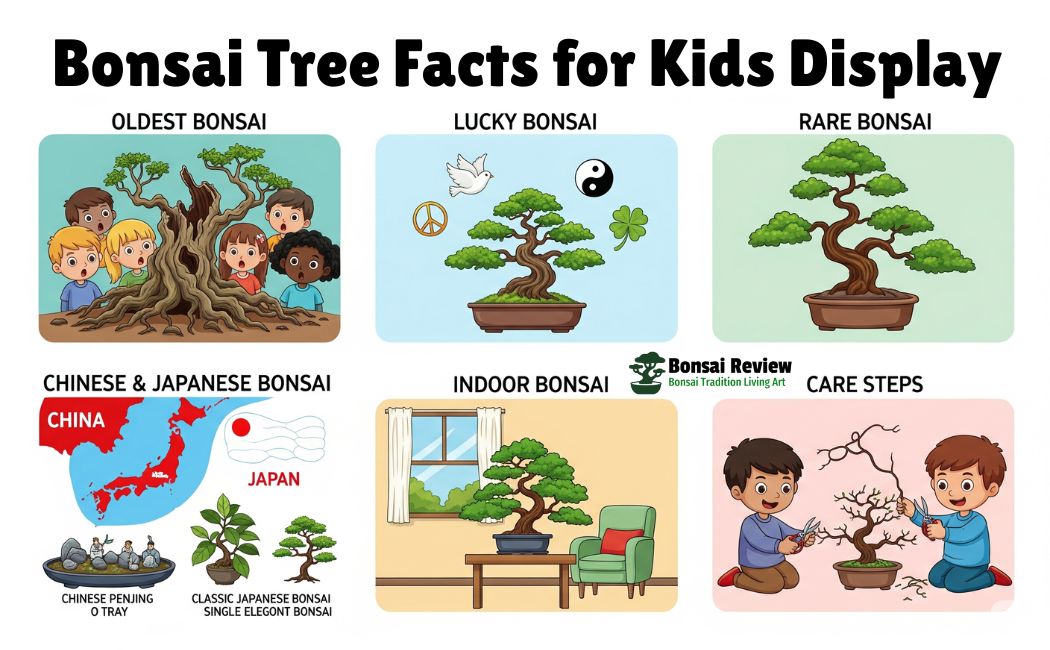
- The oldest bonsai trees are more than 1,000 years old. That means they were alive before cars, phones, or even many castles!
- The Hiroshima Yamaki Pine, cared for at the National Arboretum, survived the atomic bomb in 1945 and still grows strong today.
- Some bonsai are so rare that they sell for thousands of dollars.
- Bonsai can be indoor bonsai, like ficus bonsai, or outdoor types like juniper bonsai and pine bonsai.
- Bonsai became super famous when Mr. Miyagi taught bonsai in The Karate Kid. Even today, kids may see bonsai in *Cobra Kai.
- Bonsai are not “fake trees.” They are real trees, just kept small through pruning, wiring, and repotting.
Example for kids: Imagine holding a Chinese elm bonsai that is smaller than your school lunchbox, but it might be older than your grandparents! That’s the magic of bonsai.
What Types of Bonsai Trees Can You Grow?
Not all bonsai trees are the same. You can grow many kinds, and each one has its own style and beauty. Some are best for outside gardens, while others can live happily inside your home as indoor bonsai.
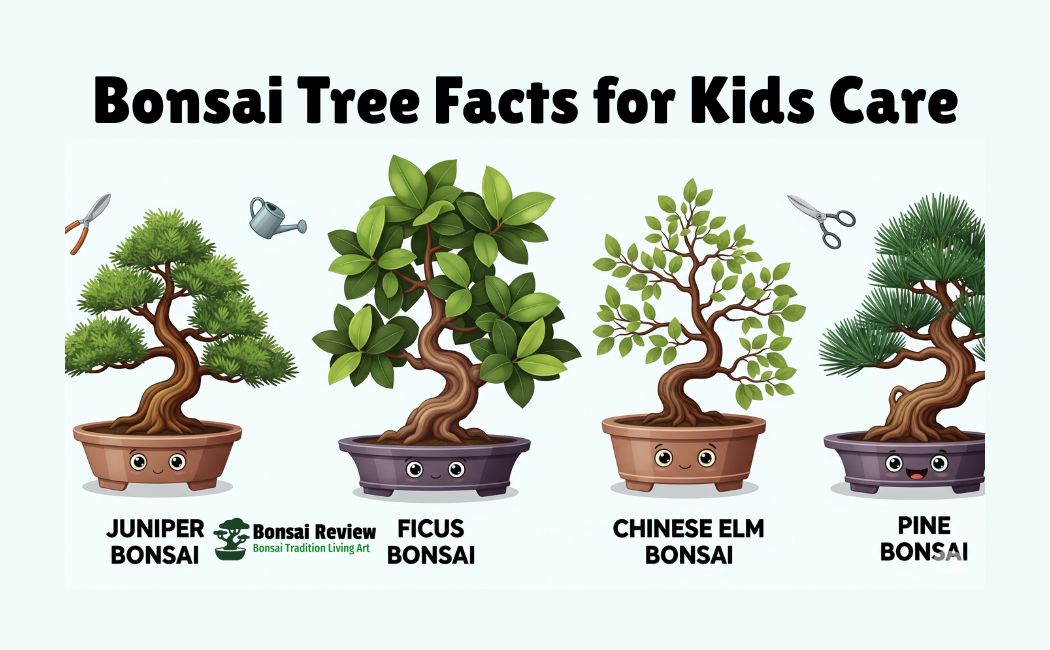
- Juniper bonsai: One of the most popular bonsai for beginners. Juniper‘s tiny green leaves make it look like a little forest in a pot.
- Ficus bonsai: A favorite indoor bonsai tree because Ficus bonsai grows well indoors with sunlight from a window.
- Chinese elm: This tree has small, strong leaves and is easy to shape. Chinese elm is great for kids and parents who want to learn bonsai together.
- Pine bonsai: A traditional Japanese bonsai that looks like the tall pine trees in the mountains, only in miniature form.
Example of bonsai tree facts for kids: Imagine having a Ficus bonsai on your desk that you water and trim, while your parent grows a juniper bonsai outside on the porch. Together, you both care for your own little trees and watch them change with the seasons.
How Do Bonsai Trees Grow So Small?
A bonsai tree doesn’t stay tiny by magic. People use special care methods to keep it small and healthy. These steps are called bonsai cultivation, and they include pruning, wiring, and repotting. Here’s an easy-to-understand guide about bonsai tree facts for kids with parents:
| Method | What It Means Easy Words | Example for Kids & Parents |
| Pruning | Cutting branches and leaves to shape the tree | Like giving your bonsai a haircut so it looks neat |
| Wiring | Wrapping soft wire around branches to guide how they grow | Imagine gently bending a pipe cleaner to make it curved |
| Repotting | Moving the tree to a new pot with fresh soil | Like when you get new shoes because your feet grow, the bonsai needs fresh space, too |
| Watering | Giving just enough water, not too much or too little | Like drinking water, your bonsai needs it to stay alive |
| Sunlight | Placing the bonsai in the right spot for light | Just like kids need playtime outside, bonsai need light to stay strong |
Example bonsai tree for kids: If you have a juniper bonsai and you prune its branches, wire them gently, and repot it every few years, your tree will stay small but live a very long life.
Why Do People Love Bonsai Trees?
People don’t just grow bonsai trees because they look cute. They also love them for the meaning and feelings they bring. In both Japan and China, bonsai is seen as more than a plant; it is a symbol of peace, patience, and harmony.
- Peace and Calm: Looking at a bonsai can make you feel relaxed, just like sitting in a quiet garden.
- Patience: Bonsai grow slowly. Caring for one teaches kids and even parents! to wait and care over time.
- Art and Creativity: Shaping a ficus bonsai or a juniper bonsai is like painting, but instead of brushes, you use nature.
- Lucky Tree: In some cultures, bonsai is believed to be a lucky tree that brings good energy to your home.
Example Bonsai Tree Facts for Kids: Imagine you and your parent sitting together to trim a Chinese elm bonsai. While you work, you feel calm, you talk, and you both learn patience. That’s why people say bonsai trees are not just plants, they are living art with a big spirit.
Can Kids Start Growing Bonsai Trees Too?
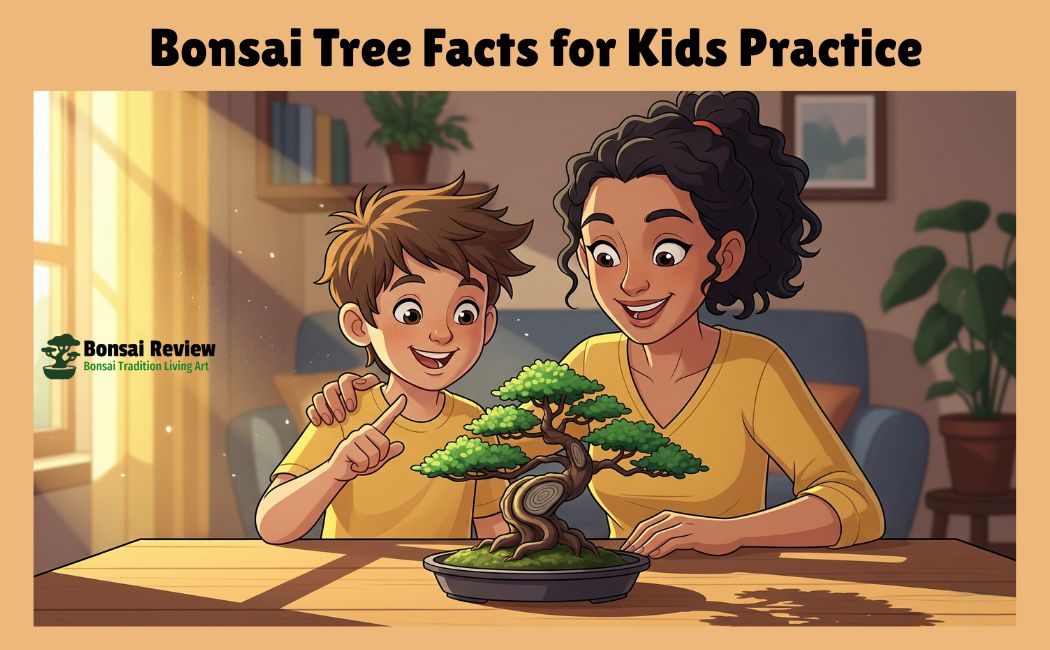
Yes! Kids can absolutely grow bonsai trees, and it’s a fun way to learn patience, creativity, and care. You don’t need a big garden, and even indoor bonsai, like ficus bonsai or small juniper bonsai, work perfectly.
Here’s how kids and parents can get started:
- Bonsai Kits: These come with seeds, soil, and a little pot. Perfect for beginners to try at home.
- Bonsai Classes: Some places, like the National Bonsai Foundation, offer workshops for kids and families.
- Easy Trees First: Start with trees that are easy to care for, like Chinese elm bonsai or juniper bonsai.
- Care Routine: Remember to water your bonsai, give it sunlight, and occasionally prune or repot it.
Example Bonsai Tree Facts for Kids: You and your parent can plant a tiny ficus bonsai on your desk. Each day, you water it, trim its leaves, and watch it grow. Over time, you will see your bonsai change just like magic, and you’ll feel proud because you helped it grow!
Conclusion: What Are the Most Amazing Bonsai Tree Facts for Kids?
Bonsai trees are more than just dwarf trees. Tiny trees with a big story, they are living art, full of history, culture, and meaning.
From penjing in China to Japanese bonsai, these little trees have traveled across the world, inspiring people for hundreds or even thousands of years.
Famous trees like the Hiroshima Yamaki Pine at the National Arboretum show how strong and special bonsai can be.
Kids and parents can enjoy bonsai too! With bonsai kits, indoor bonsai like ficus bonsai, or easy trees like juniper bonsai and Chinese elm, anyone can start growing their own tiny tree.
Caring for bonsai teaches patience, creativity, and harmony, making it a fun and meaningful activity for the whole family.
So, if you are looking at a bonsai in a book, visiting a bonsai class, or growing your own, bonsai tree facts for kids, even the smallest tree can have the biggest story!
Informative article: Are Bonsai Kits Worth It? Beginner’s Dwarf Plants: Unique Guide.
FAQs: How Do Bonsai Trees Stay So Small? Fun Facts for Kids?
1. What is a fact about bonsai trees?
The word “bonsai” is Japanese and translates to ‘planted in a container‘. Bonsai facts: ‘bon‘ meaning tray or pot, and ‘sai‘ meaning plant or tree. Although bonsai is widely considered to be a Japanese art form, refined over many years, it actually originated in China, where it was called ‘pun-sai‘.
2. What is the history of bonsai trees in the United States?
The first bonsai nurseries and clubs in the Americas were started by first and second-generation Japanese immigrants. This progress to international markets and lovers was interrupted by the war. By the 1940s, bonsai had become an art form of international interest and involvement.
3. How old is the oldest bonsai tree?
The oldest bonsai trees are over 1,000 years old! That means they were alive long before cars, phones, or even many castles existed. A famous example is the Hiroshima Yamaki Pine cared for at the National Arboretum.
4. What is the story of bonsai?
Bonsai is said to have originated from the culture of creating miniature natural landscapes by arranging soil, stones, moss, and plants on a tray. This has existed since ancient times. It was introduced to Japan from China during the Heian period (8c-12c).
5. Is a bonsai a lucky tree?
Yes! In some cultures, bonsai is believed to bring good luck and positive energy to your home. That’s why many families keep indoor bonsai like ficus bonsai on desks or windowsills.
6. Is bonsai Chinese or Japanese?
Bonsai started in China as penjing, a way to grow small trees in trays. Later, Japan perfected the art and made Japanese bonsai famous worldwide.
7. What type of tree is a bonsai tree?
Any tree or shrub can become a bonsai! Popular types include juniper bonsai, ficus bonsai, Chinese elm, and pine bonsai. Bonsai is not a special kind of tree; it’s how people train and care for it to stay small.
8. How do you make a bonsai tree?
To make a bonsai, you need a tree, a pot, soil, and bonsai cultivation techniques like pruning, cutting leaves/branches, wiring and shaping branches, repotting, changing soil and pot, watering, and sunlight regularly. Kids can start with a bonsai kit or join bonsai classes to learn step by step.
9. Which country is famous for bonsai?
Bonsai (盆栽) are potted miniature trees which are carefully styled to achieve an aesthetic effect. The concept was first imported into Japan from China more than a thousand years ago. Since then, a distinctive style of this art form has been developed in Japan.
10. How big can a bonsai get?
Bonsai trees can range in size from less than 6 inches to over 60 inches (5 feet) tall. The final size is determined by the grower through careful pruning of the roots, branches, and leaves. The size class depends on the tree’s species and how it is styled, with larger, outdoor “garden” bonsai potentially exceeding 3 feet.