


Bonsai Watering Tips for Indoor & Outdoor Plants
Everything you need to know about watering your bonsai correctly: frequency, technique, seasonal adjustments, and common mistakes.
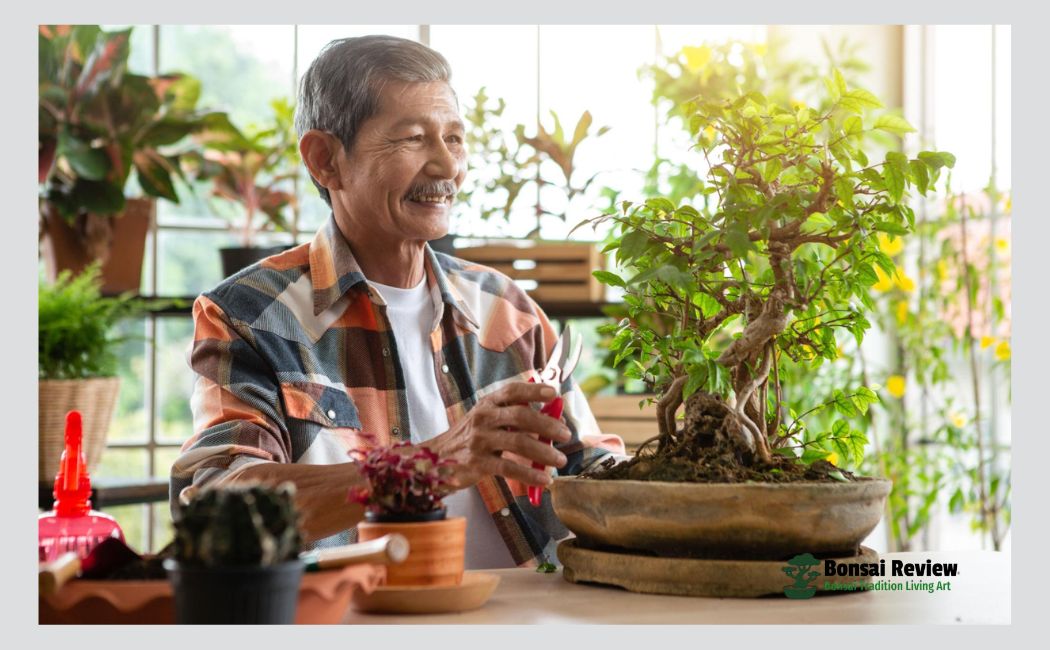
Watering is the single most important and most misunderstood aspect of bonsai care. Most bonsai trees die not from pests or disease, but from incorrect watering. Whether your bonsai lives on a sunny windowsill or under an open sky, understanding its water needs will make the difference between a thriving miniature tree and a rapidly deteriorating one.
This guide covers everything: the core principles, indoor vs. outdoor differences, the best watering techniques, seasonal adjustments, troubleshooting signs, and expert tips that most beginners miss.
📋 Table of Contents
1. Why Watering Matters So Much in Bonsai
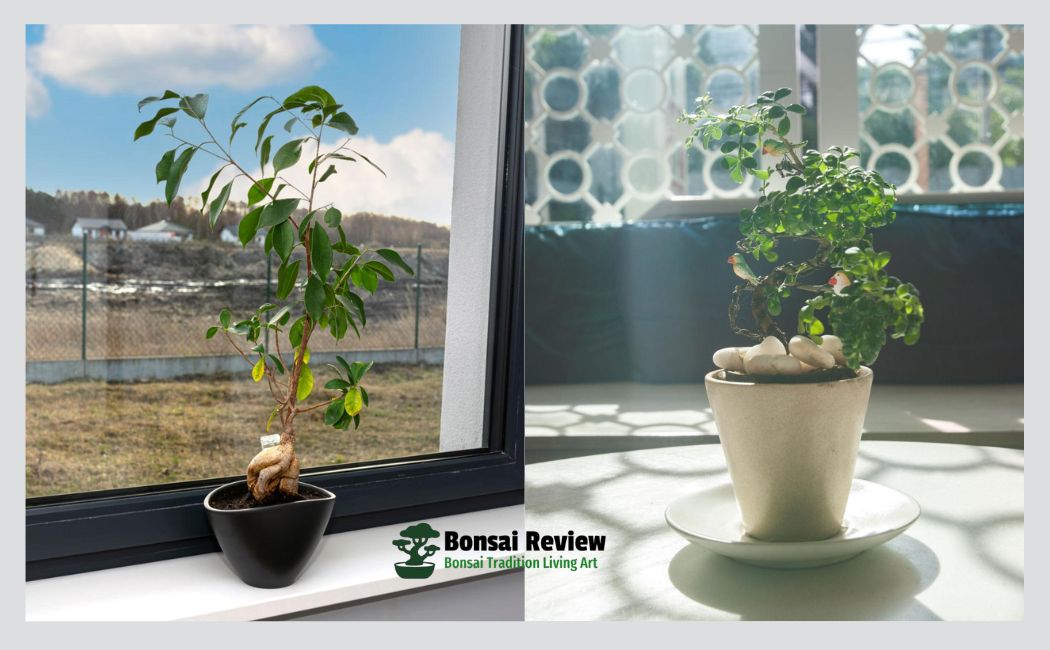
Unlike regular houseplants growing in deep soil with large water reserves, bonsai trees are planted in small, shallow pots with coarse, fast-draining soil. This means they cannot self-regulate moisture and rely entirely on you to provide consistent hydration.
Water serves multiple functions for your tree. It transports dissolved nutrients from the soil to every cell, powers the photosynthesis that feeds growth, maintains cell pressure (turgidity) that keeps leaves firm and upright, and assists in recovery after pruning or repotting stress.
2. How Often Should You Water a Bonsai?
There is no universal watering schedule for bonsai, and any guide that gives you one is misleading. Watering frequency depends on a combination of factors that are unique to each tree, pot, and environment:
| Factor | Waters More Frequently | Waters Less Frequently |
|---|---|---|
| Species | Tropical, subtropical trees | Temperate, deciduous trees (dormancy) |
| Season | Spring & Summer (active growth) | Autumn & Winter (dormancy) |
| Pot Size | Small, shallow pots | Larger, deeper pots |
| Sunlight | Full direct sun exposure | Shade or indirect light |
| Temperature | Hot, dry climates (35°C+) | Cool, humid environments |
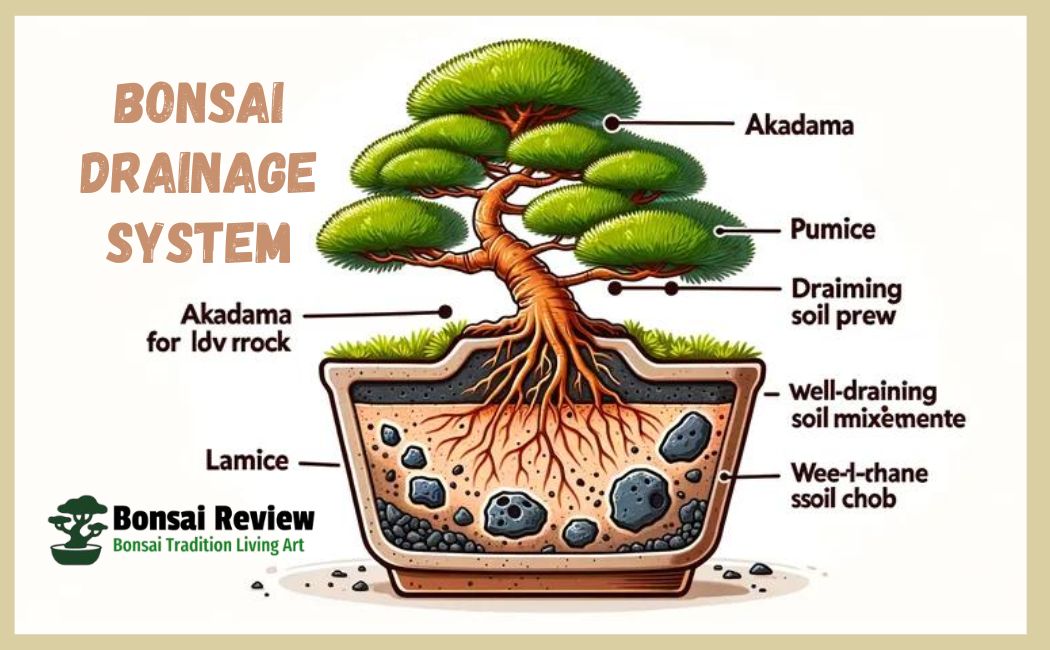
| Soil Mix | Coarse, fast-draining akadama | Denser mixes with organic content |
General Frequency Guidelines
As a starting point, most healthy bonsai trees need watering every 2–7 days during the growing season (spring to early autumn) and significantly less during dormancy. Outdoor trees in full summer sun may need water once or twice daily. Indoor trees typically need watering every 2–3 days.
3. Indoor vs. Outdoor Bonsai: Key Differences
Indoor and outdoor bonsai trees face radically different environments, and their watering needs reflect this. Understanding these differences prevents many common mistakes.
| Aspect | 🏠 Indoor Bonsai | 🌳 Outdoor Bonsai |
|---|---|---|
| Common species | Ficus, Carmona, Jade, Chinese Elm | Juniper, Pine, Maple, Zelkova |
| Frequency (general) | Every 2–3 days | Daily to twice daily in summer |
| Soil drying speed | Moderate (no wind) | Fast (sun, wind, heat) |
| Humidity concern | Low humidity from central heating | Variable — check weather |
| Biggest risk | Overwatering (root rot) | Underwatering (desiccation) |
| Humidity solution | Humidity tray + misting | Natural humidity, shade cloth |
| Best watering method | Overhead can or immersion | Overhead watering can or hose |
🏠 Indoor Bonsai Watering Tips
Indoor bonsai are shielded from wind and rain, but central heating creates a hidden threat: dry, desiccating air that draws moisture out of the soil unpredictably. Check soil moisture every day or two and increase vigilance during winter months when radiators are running.
Placing your indoor bonsai in your kitchen sink and giving it a thorough soak before returning it to its spot is a simple and effective method. A humidity tray (a shallow tray filled with pebbles and water placed beneath the pot) also helps counteract indoor dry air.
🌳 Outdoor Bonsai Watering Tips
Outdoor bonsai face sun, wind, and fluctuating temperatures that can dry out shallow pots within hours during summer. In hot weather, check moisture multiple times per day — especially for small pots. Water deeply until it flows freely from the drainage holes, and consider a second watering in the afternoon during heatwaves.
4. Bonsai Watering Techniques
How you water is just as important as when. Using the right technique ensures the entire root system is hydrated without waterlogging, damaging delicate moss, or washing away soil.
🚿 Overhead Watering (Most Common)
Use a watering can with a fine rose nozzle to gently pour water over the soil surface from above. Water slowly until it flows freely from the drainage holes, pause for a minute, then repeat. This ensures the entire soil mass is saturated. Avoid a heavy blast — it displaces soil and moss.
🪣 Immersion / Submersion Method
Fill a basin, bucket, or sink with water to about 1 inch above the rim of the bonsai pot. Submerge the entire pot and watch bubbles rise — this indicates the soil is absorbing water. When bubbles stop (usually 3–10 minutes), the roots are fully hydrated. Lift the pot and allow it to drain. Ideal for very dry soil or when returning from a trip.
🪨 Bottom Watering (Tray Method)
Place your bonsai pot in a shallow tray filled with water. Allow capillary action to draw moisture up through the drainage holes. This method prevents topsoil disturbance and is very gentle. However, it can miss the upper soil layers if not supplemented with occasional overhead watering.
🌫️ Misting (Supplementary Only)
Misting lightly sprays the foliage to increase ambient humidity, remove dust, and keep stomata (leaf breathing pores) open. It is NOT a substitute for soil watering. Mist in the morning to allow foliage to dry before nightfall. Avoid misting flowering bonsai as it promotes early petal drop.
5. Seasonal Bonsai Watering Guide
Bonsai watering is not static; it follows the rhythm of the seasons. Adjusting your approach as conditions change is essential for year-round health.
🌸 Spring
- Trees waking from dormancy; water needs increasing
- Begin watering more frequently as temperatures rise
- Monitor for rapid soil drying as growth accelerates
- Ideal time for repotting water thoroughly after
- Resume fertilizing when buds begin to open
☀️ Summer
- Highest water demand of the year
- Outdoor trees may need watering 1–2× daily
- Check moisture multiple times on hot days (>35°C)
- Provide afternoon shade during extreme heat
- Never water during the hottest midday hours
🍂 Autumn
- Growth slows; reduce watering frequency gradually
- Allow soil to dry slightly more between waterings
- Continue checking — don’t completely stop watering
- Prepare trees for winter dormancy positioning
- Stop fertilizing by late autumn
❄️ Winter
- Water significantly less trees are dormant
- Never let the root ball freeze completely
- Indoor trees still need checking every 3–5 days
- Watch for dry air from central heating indoors
- Do NOT bring outdoor temperate species inside
6. What Kind of Water Should You Use?
Not all water is equal for bonsai. The quality of water affects both immediate hydration and long-term soil chemistry.
Rainwater — The Gold Standard
Rainwater is naturally soft, free of chlorine, fluoride, and other additives, and slightly acidic, which most bonsai trees prefer. Collecting and using rainwater whenever possible is the best practice for bonsai enthusiasts.
Tap Water — Generally Acceptable
Most tap water is safe for bonsai, particularly if your local supply is not heavily treated. If your water is hard (high calcium/magnesium) or heavily chlorinated, let it sit uncovered for several hours before use. This allows chlorine to dissipate. Avoid using softened water, as the salt content harms roots over time.
Filtered or Distilled Water
In areas with very hard or heavily chlorinated water, filtered or distilled water provides a consistent, neutral pH that is ideal for sensitive species. Use a simple water filter or collect distilled water from a dehumidifier.
7. Signs of Overwatering vs. Underwatering
Recognizing distress signals early allows you to correct course before permanent damage occurs. Both conditions can look similar at first — wilting or yellowing leaves — so learn the distinguishing details.
🏜️ Underwatering Signs
- Leaves look dry and crispy at the edges
- Leaves begin to curl inward
- Soil pulls away from pot edges
- Pot feels very light when lifted
- Branches become brittle
- Jade/succulent leaves wrinkle and shrivel
- Severe: sudden leaf drop
💧 Overwatering Signs
- Leaves yellow and fall while still soft
- Soil smells musty or rotten
- Fungus gnats present in soil
- Moss turns black or slimy
- Roots are black, mushy at tips
- Soil stays wet for 4+ days constantly
- Severe: root rot, trunk softens at base
How to Check Soil Moisture Correctly
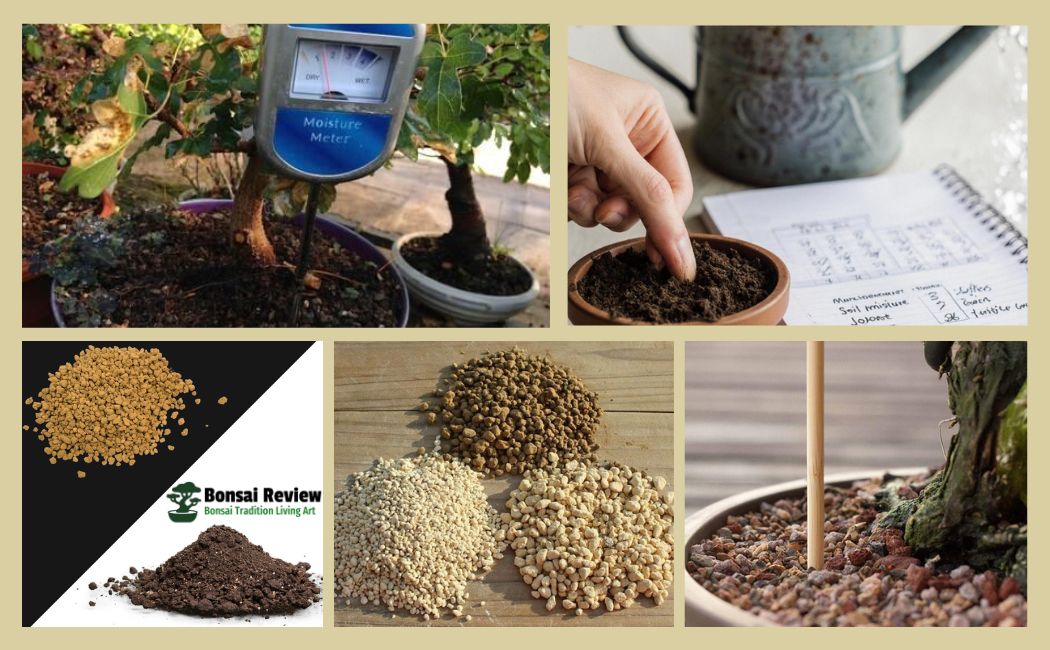
The most reliable method is the finger test: insert your fingertip about 1 cm (half an inch) into the soil. If it feels slightly dry, it’s time to water. If still moist, wait and check again tomorrow. Other reliable tools include a wooden chopstick (insert and check if it comes out dry or damp) and a moisture meter for more precise readings.
8. Managing Humidity Around Your Bonsai
Humidity, the moisture in the surrounding air, affects how quickly your bonsai loses water through its leaves (transpiration) and how long the soil stays moist. This is especially critical for tropical indoor species.
Humidity Trays
Place your bonsai pot on a shallow tray filled with pebbles or gravel and water. As the water evaporates, it creates a microclimate of higher humidity around the tree. Keep the water level below the pot’s drainage holes to prevent the roots from sitting in water. This simple setup dramatically benefits tropical bonsai during dry winters.
Grouping Plants Together
Placing your bonsai near other houseplants creates a naturally more humid microenvironment as multiple plants transpire together. This is an easy, zero-cost humidity boost.
Misting Correctly
Use a fine mister to spray foliage in the morning lightly. This refreshes leaves, clears dust, and temporarily increases humidity. Never mist in the evening — lingering moisture on foliage overnight encourages fungal issues. And remember: misting the leaves does not water the roots.
9. FAQs: Bonsai Watering Tips for Indoor and Outdoor Plants
Final Thoughts: Develop Your Bonsai Intuition
Mastering bonsai watering isn’t about memorizing a schedule; it’s about developing a relationship with your tree. Check the soil daily. Watch how your bonsai responds after watering. Notice how quickly different pots dry out in different seasons. Within a few weeks, you’ll develop an intuition that no guide can fully replace.
Start with the finger test, water thoroughly when dry, observe the signs of stress, and adjust as the seasons change. That’s the entire art of bonsai watering, beautifully simple once you stop overthinking it.