


Types of Bonsai Trees can feel confusing when you are just starting. You may see Juniper, Ficus, Chinese Elm, Japanese Maple, Japanese Black Pine, and many other bonsai trees, but each one grows differently.
Some need full sun and outdoor space. Others, such as Ficus bonsai, can do well indoors when they get enough light.
The good news is that you do not need to know every bonsai species before you choose one. You just need to know what each tree needs and how well it fits your space, climate, and skill level.
In this guide, you will learn about the main types of bonsai trees, how to tell them apart, which ones are easy for beginners, and which species are better for more experienced growers.
You will also find clear pictures and simple notes for popular choices such as Juniper bonsai, Ficus bonsai, Chinese Elm bonsai, Japanese Maple bonsai, and Japanese Black Pine bonsai.
So, you can compare the trees side by side and choose a bonsai that fits your home, outdoor space, and care routine.
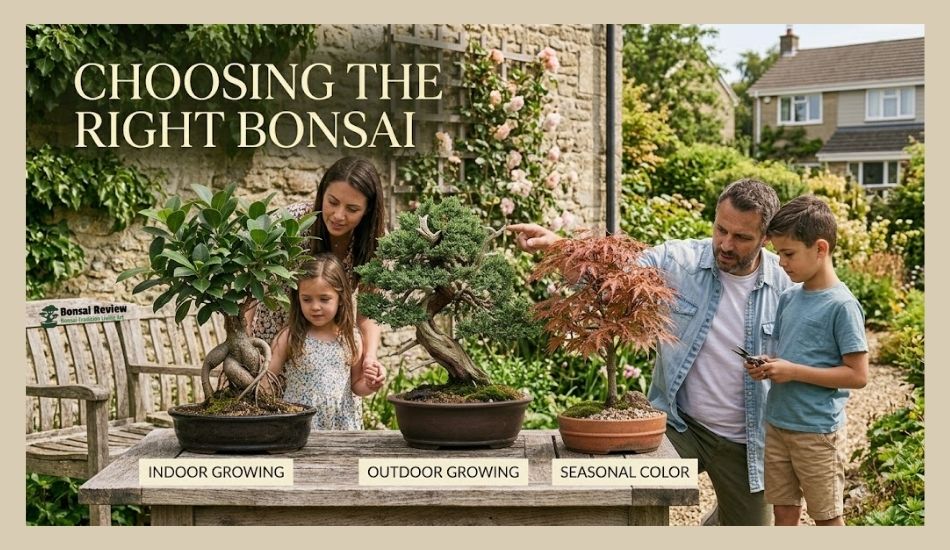
How to Choose From Different Types of Bonsai Trees?
When you look at different bonsai trees, the biggest difference is not just how they look. Each tree has its own needs. Your choice should match where you live, where you plan to keep the tree, and how much care you can give it.
Start with these simple points:
- Indoor or outdoor: Some bonsai trees can live indoors with strong light. Others need to stay outdoors for healthy growth.
- Climate: Your local weather matters. A tree that grows well in one part of the USA may need extra care in another area.
- Sunlight: Some species need many hours of direct sun. Others can handle less light.
- Care level: Some bonsai are forgiving for beginners. Others need more careful watering, pruning, and seasonal care.
- Tree size: Bonsai can be small enough for a desk or large enough to become a main feature on a patio.
- Leaf and flower style: You can choose a tree for its small leaves, flowers, fruit, bark, or shape.
For example, Ficus bonsai is a popular choice for indoor growers because it can adapt well to indoor conditions when given enough light. Juniper bonsai is better suited to outdoor growing and is known for its evergreen foliage. Chinese Elm is valued for its small leaves and branching, while Japanese Maple stands out for its colorful leaves and seasonal changes.
Once you know these basic differences, it becomes much easier to find a bonsai that fits your space and your experience.
Most Popular Types of Bonsai Trees Growing Location
One of the first things you should decide is where you will keep your bonsai tree. This can quickly narrow down your choices. A sunny patio gives you more options than a dark room, while cold winters can affect which outdoor species will thrive.
1. Indoor Bonsai Trees
If you want a bonsai for your home, look for species that can handle indoor conditions. Ficus bonsai is a popular option. It needs bright light, warmth, and regular watering. Chinese Elm can also be grown indoors in some conditions, but it still needs plenty of light and good care.
Good choices: Ficus, Chinese Elm, Fukien Tea, and some tropical bonsai species.
2. Outdoor Bonsai Trees
Most traditional bonsai trees are better outdoors. They need natural sunlight, fresh air, and seasonal changes. Juniper, Japanese Maple, and Japanese Black Pine are well-known outdoor choices.
If you live in a cold part of the USA, you should also think about winter protection. Some trees need to be protected from extreme cold, especially when they are kept in small bonsai pots.
Good choices: Juniper, Japanese Maple, Japanese Black Pine, Spruce, and Pine.
Which Is Right for You?
| Growing Location | Bonsai Types to Consider | What to Check |
| Indoor | Ficus, Fukien Tea, Chinese Elm | Bright light and warmth |
| Outdoor patio | Juniper, Maple, Pine | Sunlight and local weather |
| Balcony | Ficus, Juniper, Elm | Light, wind, and space |
| Cold climate | Pine, Spruce, Maple | Winter protection |
| Warm climate | Ficus, Juniper, Maple | Heat and watering needs |
Choosing the right location first can save you from buying a tree that cannot handle your growing conditions. Once you know where your bonsai will live, you can compare the species that fit that space.
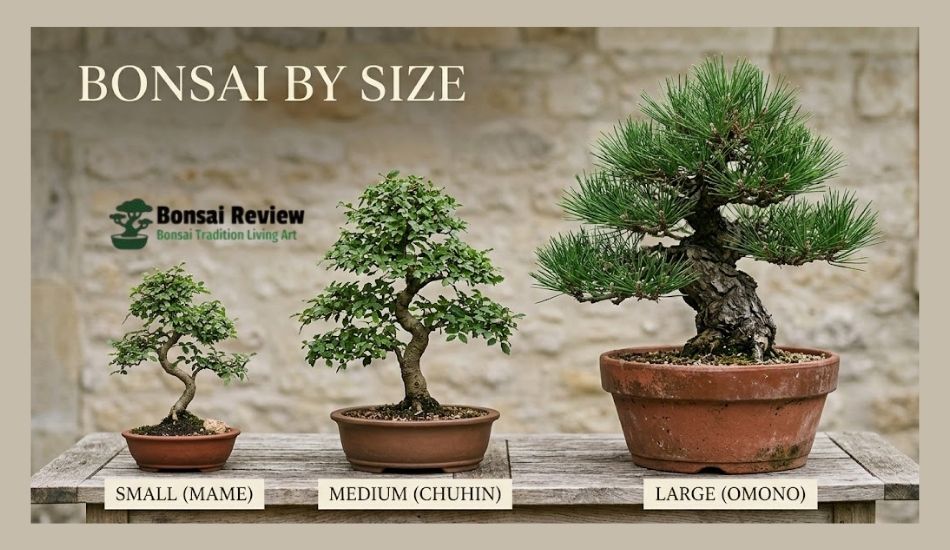
5 Most Popular Types of Bonsai Trees With Pictures
Bonsai trees come in many shapes, leaf types, and colors. Some have rough bark and strong trunks. Others have tiny leaves, soft flowers, or bright fall color. Looking at these features can help you identify a bonsai before you buy one.
1. Ficus Bonsai
Ficus bonsai has a thick trunk, small green leaves, and often strong surface roots. Ficus retusa is a common choice for indoor bonsai because it likes warm conditions. Give it bright light and avoid letting the soil stay wet for too long.
Best for: Beginners and indoor spaces.
2. Juniper Bonsai
Juniper bonsai has needle-like or scale-like foliage and a rugged tree shape. It is one of the most recognized bonsai species. Junipers need outdoor growing, good sunlight, and fresh air.
Best for: Outdoor bonsai growers.
3. Chinese Elm Bonsai
Chinese Elm bonsai has small leaves and many fine branches. This gives the tree a full and detailed look. It is also a popular beginner species because it responds well to pruning and training.
Best for: Beginners who want a classic bonsai look.
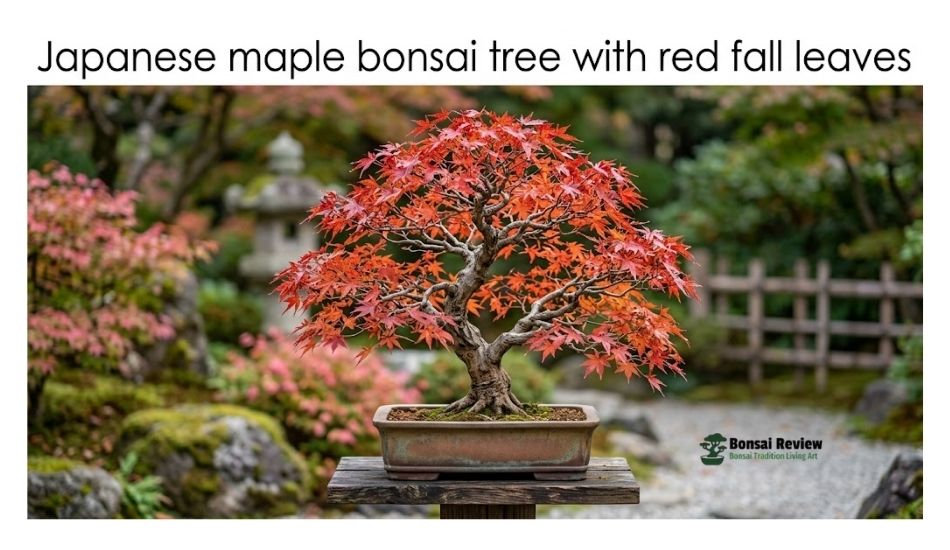
4. Japanese Maple Bonsai
Japanese Maple bonsai is known for its delicate leaves and seasonal color. Its leaves can change color in fall, making it a favorite for outdoor displays. It needs careful watering and protection from harsh heat.
Best for: Growers who love colorful seasonal leaves.
5. Japanese Black Pine Bonsai
Japanese Black Pine bonsai has dark green needles and rough, thick bark as it matures. It is a classic outdoor bonsai and is often trained into strong, dramatic shapes.
Best for: Outdoor growers who want a traditional bonsai species.
These five species are a good starting point, but they are only part of the bonsai world. Other choices include Pine, Spruce, Boxwood, Azalea, Olive, Serissa, and Fukien Tea. Each has its own growing needs, so you should check the species before bringing one home.
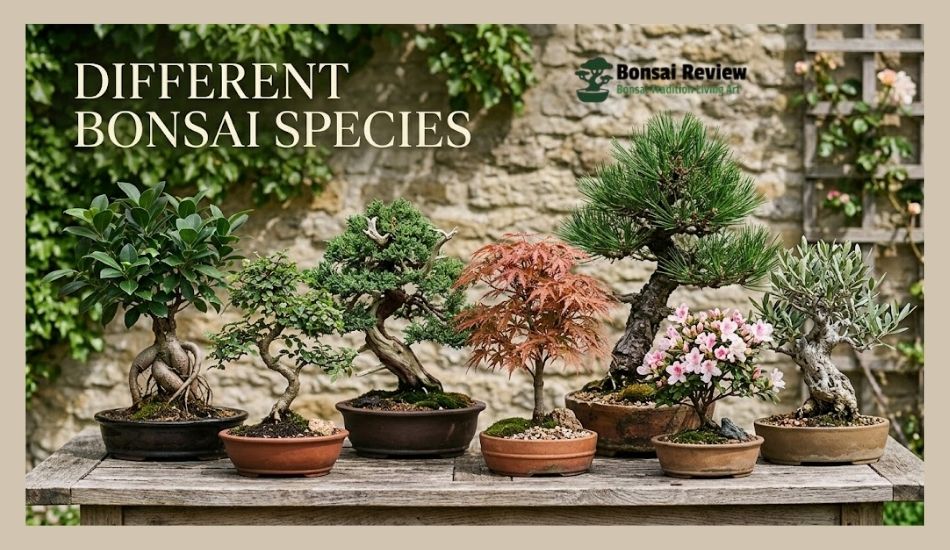
What Are the Different Types of Bonsai Trees? A Beginner’s Guide
If you are not sure which bonsai to choose, start with the species you see most often. These trees are popular because they offer different looks, sizes, and care needs.
| Bonsai Type | Best For | Main Feature | Beginner Level |
| Ficus | Indoor growing | Thick trunk, shiny leaves | Easy |
| Juniper | Outdoor growing | Evergreen foliage | Easy–Moderate |
| Chinese Elm | Beginners | Small leaves, fine branches | Easy |
| Japanese Maple | Seasonal color | Colorful leaves | Moderate |
| Japanese Black Pine | Classic bonsai | Needles and rugged bark | Moderate |
These are only a few of the many types of bonsai trees you can grow. Your best choice depends on your space, climate, sunlight, and experience. Next, you can look at each bonsai type more closely and see what makes it different.
Which Best Types of Bonsai Trees by Leaf, Flower, and Fruit?
Another easy way to compare bonsai is to look at the leaves, flowers, and fruit. These features can change the whole look of a tree. They can also help you find a species that matches the style you want.
1. Small-Leaf Bonsai
Trees with small leaves can look very natural when trained as bonsai. Their tiny leaves make the trunk and branches look larger.
Popular choices: Chinese Elm, Ficus, and Japanese Maple.
2. Needle Bonsai
Needle bonsai have thin, pointed leaves instead of broad leaves. They often have a strong, old-tree appearance.
Popular choices: Japanese Black Pine, Scots Pine, and Juniper.
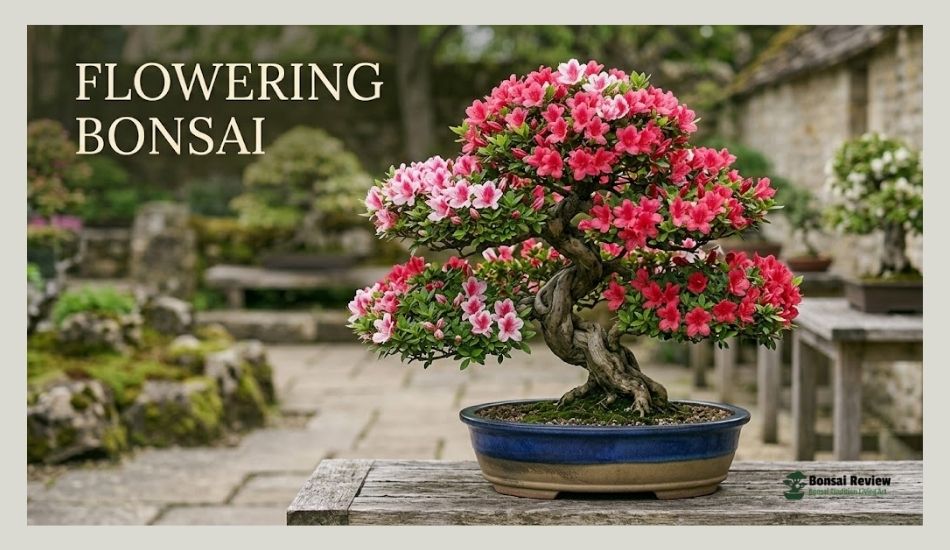
3. Flowering Bonsai
If you want color, a flowering bonsai can be a great choice. These trees produce flowers when they receive the right growing conditions.
Popular choices: Azalea, Bougainvillea, and Crabapple.
4. Fruit-Bearing Bonsai
Some bonsai trees can produce small fruits. This gives you another feature to enjoy besides the trunk and leaves.
Popular choices: Crabapple, Olive, and some Citrus species.
Why This Matters
You should not choose a bonsai only because it looks good in a picture. A tree may have beautiful flowers or colorful leaves but still need more care than you can provide.
Think about the feature you like most, then check the tree’s sunlight, watering, temperature, and growing location. This simple step can help you choose a bonsai that looks good and stays healthy.
Best Types of Bonsai Trees for Beginners
If you are buying your first bonsai, you do not need the rarest or most beautiful tree. You need a species that matches your space and is not too hard to care for.
Some bonsai trees are more forgiving when you make a small mistake with watering or pruning. Others need closer attention and more experience.
Easy Bonsai Trees for Beginners
- Ficus bonsai is a strong choice if you want to grow bonsai indoors. It handles indoor conditions better than many traditional outdoor species.
- Chinese Elm is another good beginner tree. Its small leaves and fine branches make it easy to train and shape.
- Juniper can also be a good first bonsai if you have a sunny outdoor space. Just remember that it should not be treated like an indoor plant.
Bonsai for More Experienced Growers
Some species need more careful care. Japanese Maple can need protection from strong heat, while Japanese Black Pine requires more knowledge of seasonal growth and pruning.
These trees can still be grown by beginners, but you should learn their basic needs before buying one.
| Experience | Bonsai Types | Why Choose Them |
| Beginner | Ficus | Good indoor option |
| Beginner | Chinese Elm | Small leaves and easy training |
| Beginner | Juniper | Classic outdoor bonsai |
| Intermediate | Japanese Maple | Beautiful seasonal color |
| Intermediate | Japanese Black Pine | Classic shape and bark |
The best bonsai for you is not always the easiest one. If you have the right growing space and are ready to learn, you can enjoy many different species. The key is to choose a tree whose care needs fit your daily routine.
Types of Bonsai Trees by Care Level
Not every bonsai needs the same amount of care. Some are easier to manage when you are new to bonsai. Others need more attention to light, watering, pruning, and seasonal changes.
Knowing the care level before you buy can help you avoid choosing a tree that does not fit your routine.
Easy-Care Bonsai
Easy-care species are a good place to start if you have never grown bonsai before.
Ficus is a popular indoor choice. Chinese Elm is also beginner-friendly and responds well to pruning. If you have a sunny outdoor spot, Juniper can be another good option.
These trees still need proper care. “Easy” does not mean you can forget about them.
Moderate-Care Bonsai
Moderate-care trees need more attention to their growing conditions. Japanese Maple is a good example. It needs the right balance of sunlight and water and may need protection from strong summer heat.
Japanese Black Pine also needs more knowledge of pruning and seasonal growth.
Higher-Care Bonsai
Some bonsai are better for growers who already understand basic bonsai care. These trees may have special needs for watering, pruning, repotting, winter care, or light.
Rare or older bonsai can also cost much more, so they may not be the best choice for your first tree.
| Care Level | Examples | Good Starting Point? |
| Easy | Ficus, Chinese Elm | Yes |
| Easy–Moderate | Juniper | Yes, with outdoor space |
| Moderate | Japanese Maple | After learning basic care |
| Moderate | Japanese Black Pine | Better with some experience |
| Higher | Some rare or advanced species | Usually not for beginners |
The right bonsai is one you can care for well. Before you buy, match the tree’s needs with your time, space, sunlight, and local climate. That simple check can make your bonsai journey much easier.
Types of Bonsai Trees by Size and Style
Bonsai trees are not all the same size. Some can sit on a small table, while others need a large outdoor space. The shape of the tree also changes its look.
Small Bonsai Trees
Small bonsai are easy to display on a desk, shelf, or small table. They are a good choice if you have limited space.
But a small pot does not mean less care. Small bonsai can dry out faster, so you need to check the soil often.
Medium Bonsai Trees
Medium bonsai gives you more room to enjoy the trunk, branches, and foliage. They work well on patios, balconies, or larger indoor spaces when the species can live indoors.
Large Bonsai Trees
Large bonsai make a strong display. They are usually easier to manage outdoors because they need more room for healthy growth. Moving a large bonsai can also be difficult.
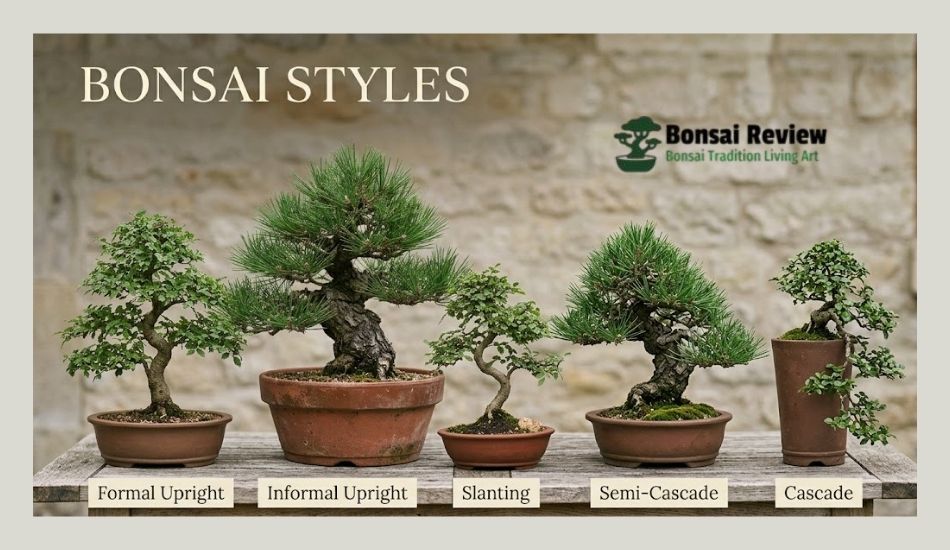
Common Bonsai Styles
The tree’s style is another feature you may notice when comparing bonsai.
- Formal upright: A straight trunk that becomes thinner toward the top.
- Informal upright: A curved trunk with the top still over the base.
- Slanting: The trunk grows at an angle.
- Cascade: The branches and trunk flow downward.
- Semi-cascade: The growth falls down but does not extend as far as a cascade.
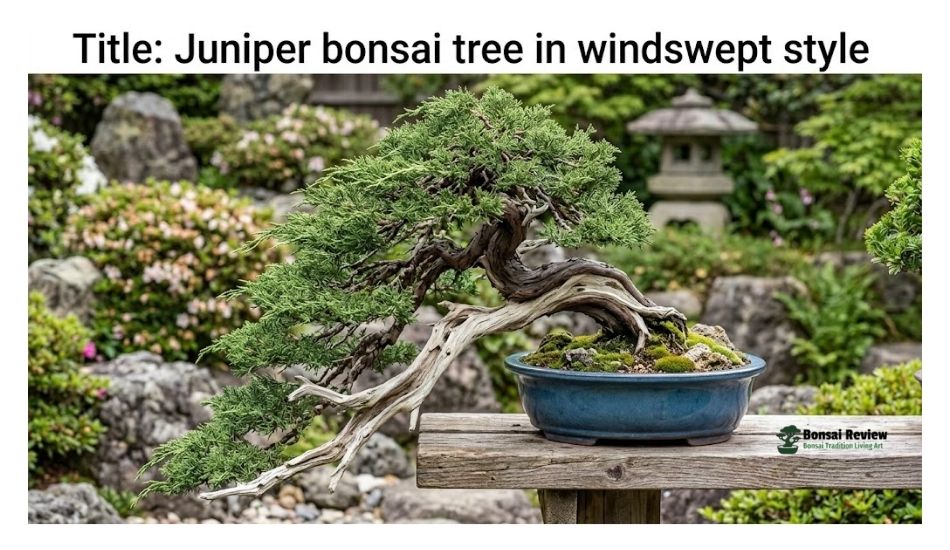
- Windswept: The branches appear shaped by strong wind.
You do not need to know every bonsai style before buying your first tree. Start with the species, growing location, and care level. Then choose a size and style that you enjoy.
That makes it easier to find a bonsai that looks right and fits your space.

Which Type Of Bonsai Trees Are Best for Indoor Growing?
Not every bonsai tree is a good indoor plant. If you want to keep your bonsai inside, choose a species that can handle warm indoor conditions and give it enough light.
Ficus Bonsai
Ficus bonsai is one of the best-known choices for indoor growing. Ficus microcarpa ‘Ginseng’ likes warmth and bright light. It can also grow a thick trunk and strong roots, giving you the classic bonsai look.
Fukien Tea Bonsai
Fukien Tea has small, dark green leaves and can produce tiny white flowers. It is often sold as an indoor bonsai, but it still needs plenty of light and careful watering.
Chinese Elm Bonsai
Chinese Elm is a popular bonsai with small leaves and fine branches. It can be kept indoors for periods of time when conditions are right, but it needs good light and should not be treated as a low-light houseplant.
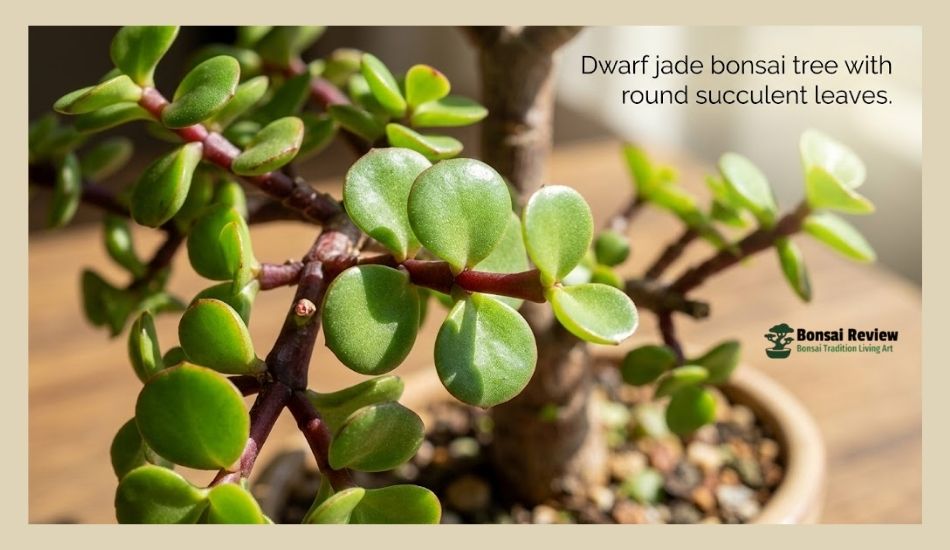
Dwarf Jade Bonsai
Dwarf Jade has thick leaves and a sturdy trunk. It stores water in its leaves, so it can handle short dry periods better than many bonsai species. Bright light is important for healthy growth.
| Indoor Bonsai | Light Need | Beginner Friendly | Main Feature |
| Ficus | Bright | Yes | Thick trunk and shiny leaves |
| Fukien Tea | Bright | Moderate | Small leaves and flowers |
| Chinese Elm | Bright | Yes | Fine branches |
| Dwarf Jade | Bright | Yes | Thick leaves and trunk |
A sunny window may help, but indoor light is often weaker than outdoor light. If your room does not get enough natural light, a grow light can help.
Before buying an indoor bonsai, check the species first. A tree that is sold as a “bonsai” is not automatically suited to life inside your home.
Which Types of Bonsai Trees Best For the Outdoor?
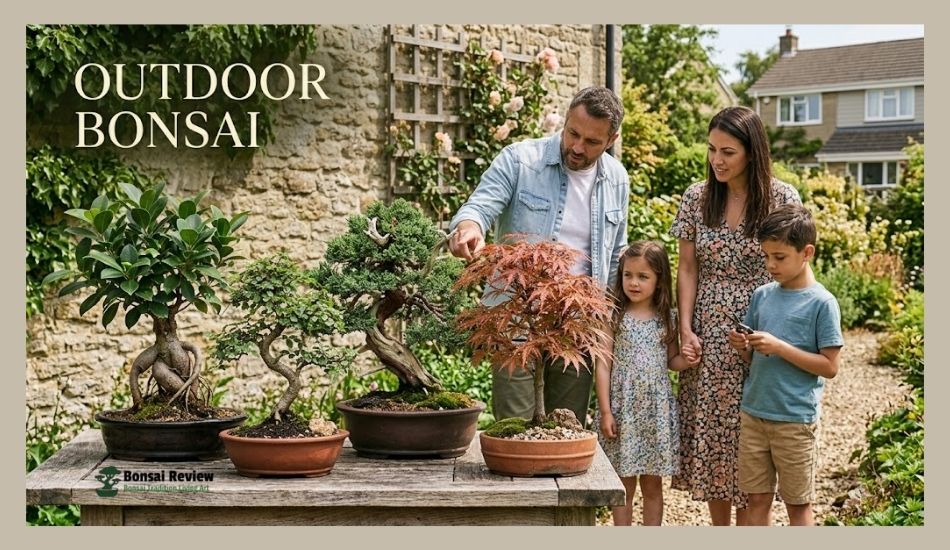
If you have a patio, balcony, porch, or garden, you have more bonsai choices. Many classic bonsai species grow best outdoors because they need natural light, fresh air, and changes in temperature.
1. Juniper Bonsai
Juniper bonsai is one of the most popular outdoor choices. It stays green all year and has a rugged look. Give it plenty of sunlight and good air flow.
Best for: Sunny patios and outdoor bonsai displays.
Affiliate link: Brussel’s Bonsai Live Green Mound Juniper Bonsai Tree – Small, 3 Year, 4 to 6 Inches – Outdoor Bonsai Tree with Bonsai Pot and Bonsai Tray.
2. Japanese Black Pine Bonsai
Japanese Black Pine is a classic bonsai tree with dark needles and rough bark. Older trees can develop a strong, aged look. It needs plenty of sunlight and regular seasonal care.
Best for: Growers who want a traditional bonsai.
Aaffiliate link: Japanese Black Pine – Bonsai Starter – Pinus thunbergii – 3 – Year Tree.
3. Japanese Maple Bonsai
Japanese Maple is known for its delicate leaves and bright seasonal color. It looks especially beautiful in fall. In hot areas, you may need to protect it from strong afternoon sun.
Best for: Outdoor spaces and colorful displays.
Affiliate link: Red Japanese Maple (Outdoor)- Live Plant 2-3 feet Tall – Deep Red Leaves.
4. Scots Pine Bonsai
Scots Pine is a hardy evergreen tree with long needles and interesting bark. It can handle cold conditions better than many tropical bonsai species.
Best for: Cooler outdoor climates.
5. Spruce Bonsai
Spruce bonsai has short needles and a classic evergreen shape. It prefers outdoor conditions and can be a good choice if you want a conifer bonsai.
Best for: Cool climates and outdoor growing.
Amazon affiliate link: National Tree Company 3 ft Pre-Lit Nordic Spruce Mini Artificial Christmas Tree.

| Outdoor Bonsai | Main Feature | Beginner Friendly |
| Juniper | Evergreen foliage | Yes |
| Japanese Black Pine | Dark needles and rough bark | Moderate |
| Japanese Maple | Colorful seasonal leaves | Moderate |
| Scots Pine | Hardy evergreen growth | Moderate |
| Spruce | Classic conifer shape | Moderate |
Before choosing an outdoor bonsai, check your local climate. Your winter cold, summer heat, sunlight, and wind can all affect how well a species grows.
If you choose a tree that matches your outdoor conditions, you give it a much better chance to stay healthy and develop into a beautiful bonsai.
How Bonsai Species Differ From Each Other
Once you know where you will grow your bonsai, the next step is to compare the tree itself. Different species can look similar at first, but their leaves, bark, roots, growth habits, and care needs can be very different.
Leaf Shape and Size
Look closely at the leaves. Chinese Elm has small leaves that create a fine, full canopy. Ficus has thicker, shiny leaves. Japanese Maple has thin leaves with a deeply divided shape.
Leaf size can also affect the final look of your bonsai.
Bark and Trunk
The trunk gives a bonsai much of its character. Japanese Black Pine can develop thick, rough bark as it ages. Juniper can develop twisted trunks and deadwood features that give it an old-tree look.
Growth Habit
Some species grow fast, while others grow more slowly. Some produce many fine branches. Others have stronger, more open growth.
Knowing how your chosen species grows helps you understand how often you may need to prune and train it.
Seasonal Changes
Not every bonsai looks the same all year.
Japanese Maple can give you a striking fall color. Evergreen species such as Juniper and Japanese Black Pine keep their foliage through the year, although their growth still changes with the seasons.
Why Species Choice Matters
A bonsai tree is not simply a small tree in a pot. The species controls many of its basic needs. Before you buy, check its light, water, temperature, pruning, and seasonal requirements.
When you understand these differences, you can choose a bonsai for more than its picture. You can choose one that is likely to fit your home, climate, and daily care routine.
Flowering and Fruiting Types of Bonsai Trees
A bonsai does not have to be all about leaves and branches. Some species can produce beautiful flowers or small fruits. These trees can add extra color and interest to your bonsai display.
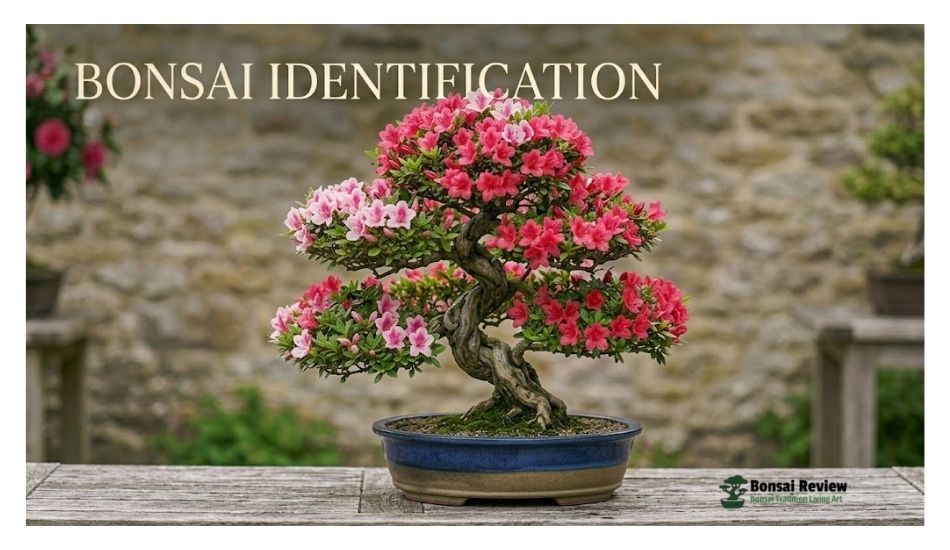
1. Azalea Bonsai
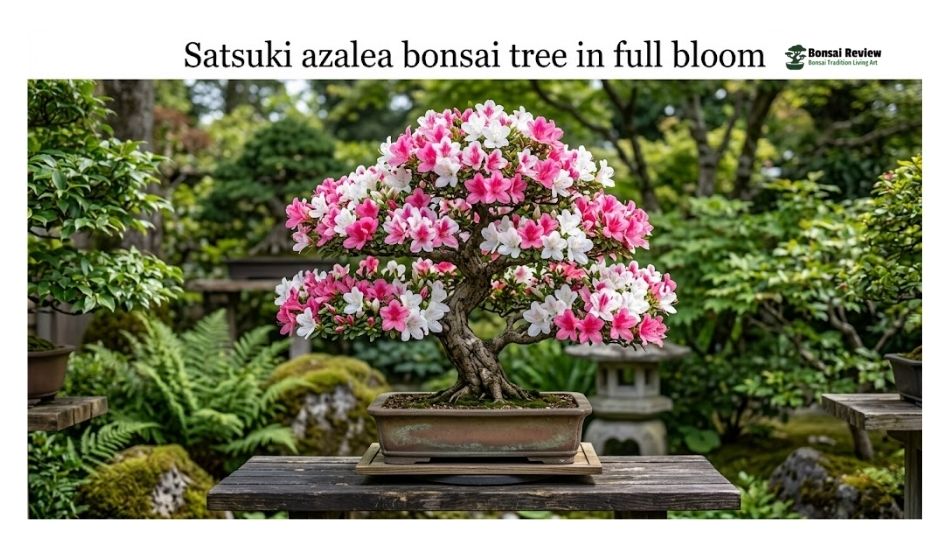
Azalea bonsai is loved for its bright flowers. When it blooms, the flowers can cover much of the tree. It is a popular choice for growers who want a colorful bonsai.
Azaleas need careful watering and good growing conditions, so they may take more attention than an easy beginner species.
Best for: Flower lovers and experienced beginners.
Amazon affiliate link: Brussel’s Bonsai Live Satsuki Azalea Flowering Bonsai Tree – Small, 5 Years, 5 to 8 in – Outdoor Bonsai in Ceramic Bonsai Pot.
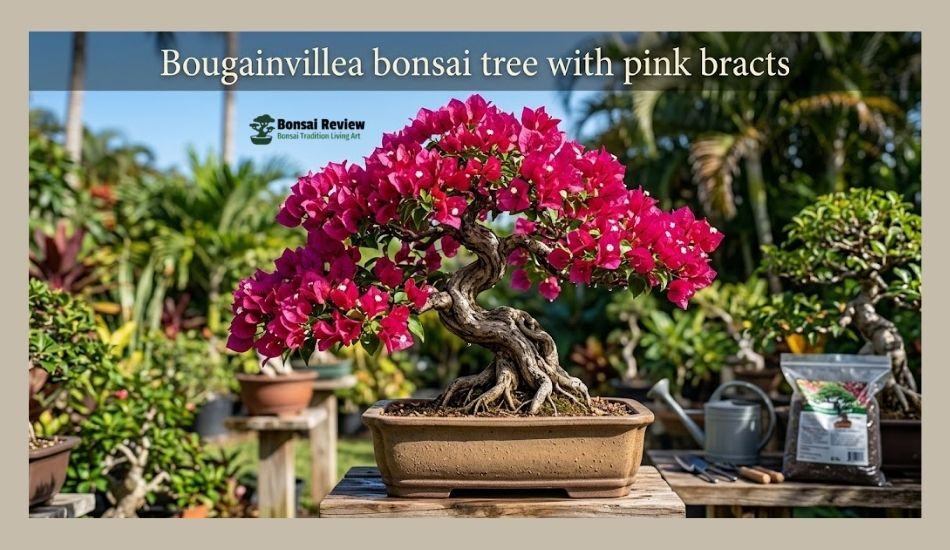
2. Bougainvillea Bonsai
Bougainvillea bonsai is known for its bright flower-like bracts and woody trunk. It prefers warm conditions and plenty of sunlight.
It can be a good choice for warm areas of the USA, but cold weather can be a problem.
Best for: Warm climates and sunny outdoor spaces.
Affiliate link: Pink Bougainvillea Live Well Established Plant in 6″ Pot with Trellis Bright Colors Flowering Vine Indoor/Outdoor Perenneal/Annual.
3. Crabapple Bonsai
Crabapple bonsai can give you flowers in spring and small fruit later in the growing season. Its changing appearance makes it an interesting choice for an outdoor collection.
Best for: Growers who want flowers and fruit.
4. Olive Bonsai
Olive bonsai has small, narrow leaves and attractive bark. Mature trees can develop a very old appearance. With the right conditions, an olive bonsai may also produce fruit.
Best for: Sunny locations and growers who like Mediterranean-style trees.
Affiliate link: Brussel’s Bonsai Live European Olive Bonsai Tree – Small, 4 to 8 in- Live Bonsai in Ceramic Bonsai Pot.
Quick Comparison: What Is the Easiest Type of Bonsai Tree to Grow?
| Bonsai Type | Main Feature | Growing Preference |
| Azalea | Bright flowers | Outdoor |
| Bougainvillea | Colorful bracts | Warm, sunny conditions |
| Crabapple | Flowers and fruit | Outdoor |
| Olive | Small leaves and aged bark | Sunny conditions |
Flowering and fruiting bonsai can be rewarding, but flowers and fruit are not guaranteed. Your tree needs the right light, temperature, water, and seasonal care.
If flowers or fruit are your main reason for choosing a bonsai, check the species’ growing needs before you buy.
Bonsai Trees for Different U.S. Climates
Your location matters when you choose a bonsai. The same tree may grow well in one part of the USA but struggle in another. Your USDA hardiness zone, summer heat, winter cold, and growing location can all affect your choice.
1. Warm Climates: If you live in a warm area, tropical and subtropical species can give you more options. Ficus, Bougainvillea, Dwarf Jade, and Olive can work well when their light and temperature needs are met.
2. Cold Climates: Cold areas are better suited to hardy outdoor species. Juniper, Pine, Spruce, and some Maple varieties can handle seasonal changes better than tropical bonsai. You may still need to protect a bonsai from extreme winter cold because its roots are exposed to colder conditions in a small pot.
3. Hot and Dry Areas: Strong summer heat can dry bonsai soil quickly. Trees such as Japanese Maple may need protection from harsh afternoon sun, while watering needs can increase during hot weather.
Why Does Your US Climate Matters?
Before you buy a bonsai, check three things:
- Your USDA hardiness zone
- Your summer heat and winter temperatures
- Whether the tree will grow indoors or outdoors
Choosing a species that fits your climate gives you a much better starting point. You can then focus on watering, pruning, repotting, and shaping your tree instead of fighting the wrong growing conditions.
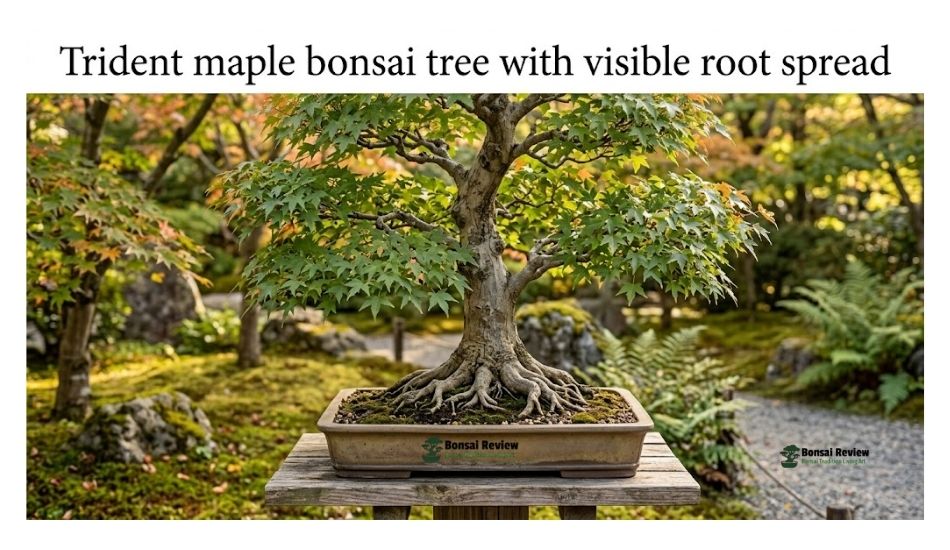
Comparison Chart: Which Bonsai Tree Is Best for Your Home? Popular Types Explained
With so many bonsai species available, a simple comparison can make your choice easier. Use the chart below to compare popular trees by growing location, appearance, and care level.
| Bonsai Species | Indoor or Outdoor | Main Feature | Care Level | Good for Beginners |
| Ficus | Indoor | Thick trunk and shiny leaves | Easy | Yes |
| Chinese Elm | Indoor/Outdoor | Small leaves and fine branches | Easy | Yes |
| Juniper | Outdoor | Evergreen foliage and rugged shape | Easy–Moderate | Yes |
| Japanese Maple | Outdoor | Colorful seasonal leaves | Moderate | With some care |
| Japanese Black Pine | Outdoor | Dark needles and rough bark | Moderate | Better with experience |
| Azalea | Outdoor | Large, colorful flowers | Moderate | With some care |
| Olive | Outdoor | Small leaves and aged bark | Moderate | Yes with proper climate |
| Bougainvillea | Outdoor | Bright bracts and woody trunk | Moderate | Warm climates |
| Dwarf Jade | Indoor/Outdoor | Thick leaves and trunk | Easy | Yes |
| Spruce | Outdoor | Classic evergreen shape | Moderate | With some care |
Which Bonsai Should You Choose?
If you want an indoor bonsai, start with Ficus, Dwarf Jade, or another species that can handle indoor conditions.
If you have a sunny outdoor space, Juniper is a strong beginner choice. You can also consider Chinese Elm, Japanese Maple, or other outdoor species based on your climate.
If you want flowers, look at Azalea or Bougainvillea. If you prefer classic evergreen bonsai, Juniper, Pine, or Spruce may be a better fit.
The most important thing is to match the tree to your growing conditions. A bonsai that fits your light, climate, space, and care routine will be much easier to enjoy for years.
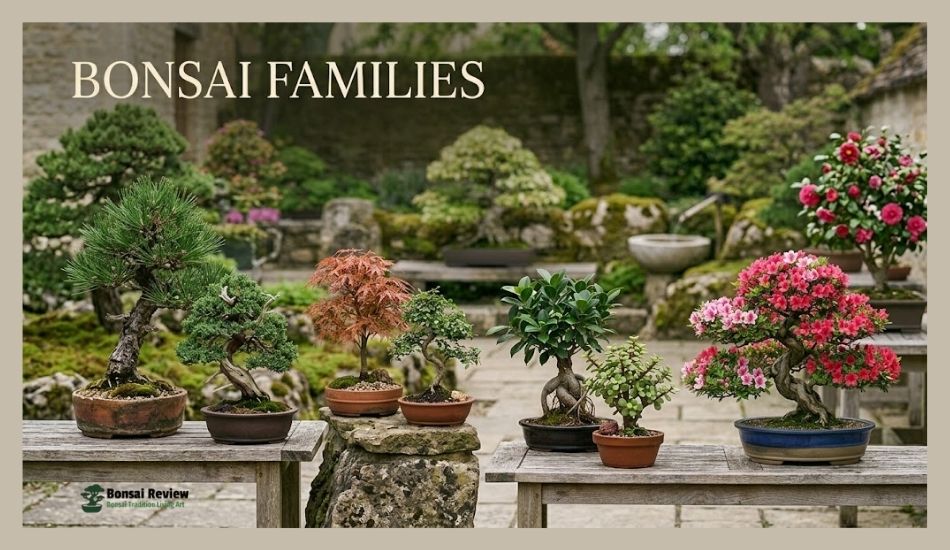
5 Main Dwarf Plant Families: Which Bonsai Tree Is Best for Your Home?
You can find bonsai from many kinds of trees and shrubs. Knowing the main groups makes it easier to understand why one bonsai has needles while another has broad leaves or flowers.
1. Conifer Bonsai
Conifers have needle-like or scale-like foliage and usually stay green throughout the year. Many are popular in traditional bonsai.
Examples: Juniper, Japanese Black Pine, Scots Pine, and Spruce.
These trees are mainly grown outdoors and often develop strong trunks and interesting bark as they age.
2. Deciduous Bonsai
Deciduous trees lose their leaves during part of the year. This gives you a chance to enjoy changes through every season.
Examples: Japanese Maple, Chinese Elm, and some Beech and Oak species.
Japanese Maple is especially popular because of its delicate leaves and fall color.
3. Tropical Bonsai
Tropical bonsai prefer warm conditions and are often easier to grow indoors than hardy outdoor species.
Examples: Ficus, Fukien Tea, and Dwarf Jade.
They still need strong light. A warm room alone is not enough for healthy growth.
4. Flowering Bonsai
Flowering bonsai are grown for their blooms as well as their tree shape.
Examples: Azalea, Bougainvillea, and Crabapple.
Their flowers can make a bonsai display stand out, but blooming depends on the species and growing conditions.
5. Fruit-Bearing Bonsai
Some species can produce fruit while staying small through bonsai training.
Examples: Crabapple, Olive, and some Citrus species.
Fruit production requires the right light, care, and growing conditions.
Understanding these main groups helps you compare bonsai beyond their names. You can then choose a tree based on its foliage, flowers, fruit, seasonal changes, and care needs.
Beginners Guide: Which Type of Bonsai Tree Is Right for You?
The best bonsai tree for you depends on more than its looks. Think about where you will keep it, how much sunlight you have, and how much time you can give it.
1. If You Want an Indoor Bonsai
Choose a species that can handle warm indoor conditions and bright light.
Good choices: Ficus, Dwarf Jade, and Fukien Tea.
Ficus is often the easiest place to start. It can give you the classic bonsai look without needing outdoor winter care.
2. If You Want an Outdoor Bonsai
Choose a tree that fits your local climate and outdoor space.
Good choices: Juniper, Japanese Maple, Japanese Black Pine, and Spruce.
Outdoor bonsai need more than sunlight. You also need to think about winter cold, summer heat, wind, and seasonal changes.
3. If You Want an Easy Bonsai
Look for a species that is forgiving and easy to learn.
Good choices: Ficus, Chinese Elm, and Juniper.
You will still need to learn proper watering, pruning, and repotting. But these species can be a better starting point than more demanding trees.
4. If You Want Flowers
A flowering bonsai can add a bright splash of color to your collection.
Good choices: Azalea, Bougainvillea, and Crabapple.
5. If You Want a Classic Bonsai Look
For a traditional tree shape with strong trunks, bark, or evergreen foliage, consider.
Good choices: Juniper, Japanese Black Pine, Scots Pine, and Spruce.
A Simple Beginner Guide Way to Decide Types of Bonsai Trees Explained.
Ask yourself these four questions before you buy:
- Where will you keep the tree?
- How much sunlight does that spot get?
- What is your local climate like?
- How much time can you spend caring for it?
Your answers will quickly narrow down the types of bonsai trees that are right for you. Once you have a short list, you can learn more about each species before choosing your first tree.
What to Check Before Buying a Bonsai Tree
Choosing a bonsai is easier when you know what to check first. A healthy tree can give you a much better start than a tree chosen only because it looks good in a photo.
1. Check the Species
First, find out what type of tree you are buying. Make sure its needs match your home or outdoor space.
For example, do not buy a Juniper bonsai expecting to keep it in a dark room. If you want an indoor tree, look at species such as Ficus or Dwarf Jade.
2. Look at the Leaves
Healthy leaves should match the normal color and shape for that species. Avoid a tree with large areas of dead, badly damaged, or falling leaves unless you understand why it is happening.
3. Check the Trunk
Look for a firm trunk with no soft, damaged, or badly cracked areas. A strong trunk can also give your bonsai a better foundation as it grows.
4. Check the Soil
The soil should not smell rotten or remain soaked with water. Extremely wet soil can be a warning sign of poor drainage or root problems.
5. Check for Pests
Look closely at the leaves, branches, and trunk. Check for insects, sticky spots, webbing, or unusual marks.
6. Think About Your Space
Before you buy, make sure you have the right place ready. Check the sunlight, temperature, humidity, and room around the tree.
Use This Simple Checklist
Before buying, ask yourself:
- Do I know the species?
- Can I give it enough light?
- Will it grow indoors or outdoors?
- Does it fit my local climate?
- Can I provide the care it needs?
- Does the tree look healthy?
A good bonsai choice starts with the right species, not the biggest trunk or the prettiest photo. When the tree matches your space and care level, you have a much better chance of enjoying it for years.
How Much Do Different Types of Bonsai Trees Cost?
Bonsai prices can vary a lot. You may find a small young tree for a modest price, while an older, well-trained bonsai can cost hundreds or even thousands of dollars.
The species is only one part of the price. Age, trunk size, training, pot quality, health, and where you buy the tree can all affect the final cost.
| Bonsai Type | Typical Beginner Price Range* | What Can Raise the Price |
| Ficus | $25–$100+ | Thick trunk and mature roots |
| Chinese Elm | $30–$120+ | Age and detailed branching |
| Juniper | $30–$150+ | Older trunk and styling |
| Japanese Maple | $40–$200+ | Mature trunk and fall-color varieties |
| Japanese Black Pine | $50–$250+ | Age, bark, and training |
| Azalea | $40–$200+ | Mature size and flowers |
| Dwarf Jade | $25–$100+ | Thick trunk and older growth |
These are broad guide ranges, not fixed market prices. Actual prices can vary by seller, size, season, and tree quality.
Should You Buy a Cheap Bonsai?
A lower price can be a good way to start. A young bonsai gives you a chance to learn basic care without making a large investment.
But do not judge a tree by price alone. A very cheap tree may need more work, while a slightly more expensive starter tree may already have a healthy trunk, good roots, and basic training.
What Should You Spend on Your First Bonsai?
If this is your first tree, you usually do not need an expensive specimen. Start with a healthy species that fits your growing conditions.
A Ficus, Chinese Elm, Juniper, or Dwarf Jade can give you a good starting point. Once you learn how watering, pruning, repotting, and seasonal care work, you can decide if you want to invest in older or more advanced bonsai.
The goal is not to buy the most expensive tree. Your goal is to buy the right tree for your space, climate, and experience.
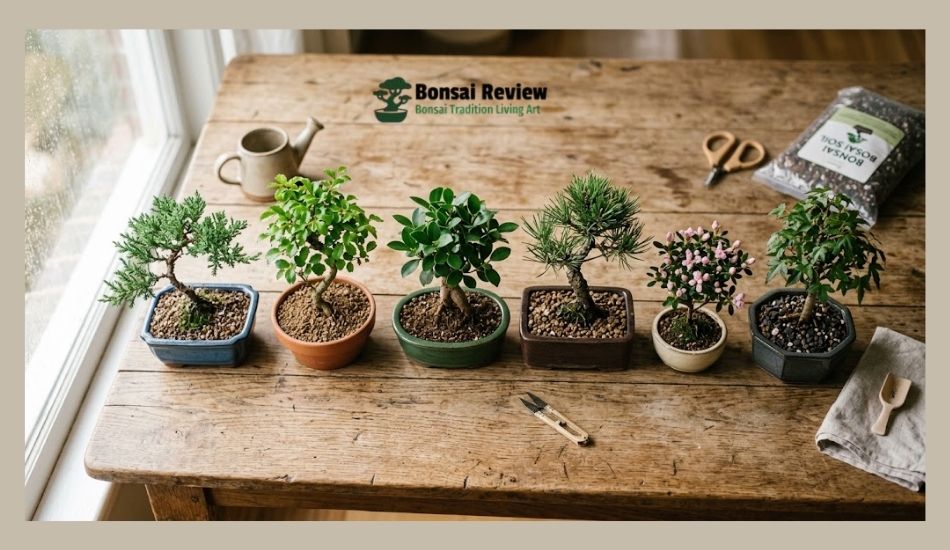
Common Mistakes When Choosing a Bonsai Tree
Choosing a bonsai can feel simple when you only look at the tree’s shape. But a beautiful tree is not always the right tree for your space.
Here are some common mistakes you should avoid.
1. Choosing a Tree for Indoor Use Without Checking the Species
Not every bonsai can live indoors. Many traditional bonsai trees need outdoor sunlight and seasonal changes.
If you want an indoor bonsai, check the species first. Ficus and Dwarf Jade are common choices for indoor growing.
2. Ignoring Your Local Climate
A tree that grows well in Florida may need different care in Minnesota. Your winter cold and summer heat can affect the health of an outdoor bonsai.
Check the species’ climate needs before you buy it.
3. Buying Based Only on Appearance
A bonsai may look perfect in a store or online photo. But you also need to know its light, water, temperature, and pruning needs.
Choose the tree you can care for, not just the tree you like most.
4. Buying a Large Tree as Your First Bonsai
A large bonsai can be impressive, but it may be harder to move, protect, and care for.
A smaller, healthy tree can give you a better chance to learn the basics.
5. Choosing a Rare Species Too Soon
Rare bonsai can be exciting, but they may cost more and require more experience. You can always move to advanced species after you understand basic bonsai care.
6. Forgetting About Light
Low light is one of the biggest problems for indoor bonsai. Before buying, check where you will place the tree and how much natural light that spot receives.
If you avoid these mistakes, you can narrow down the types of bonsai trees that truly fit your needs. Your first bonsai does not have to be perfect. It simply needs to be a healthy tree that you can care for properly.
Best Bonsai Starter Trees by Species
If you are ready to buy your first bonsai, choosing a starter tree for a specific species can make the process easier. You can learn the basic needs of that tree from the start instead of guessing what it needs later.
1. Ficus Bonsai Starter Tree
A Ficus starter tree is a good option if you want an indoor bonsai. Look for a healthy trunk, green leaves, and well-draining soil.
Best for: New growers and indoor spaces.
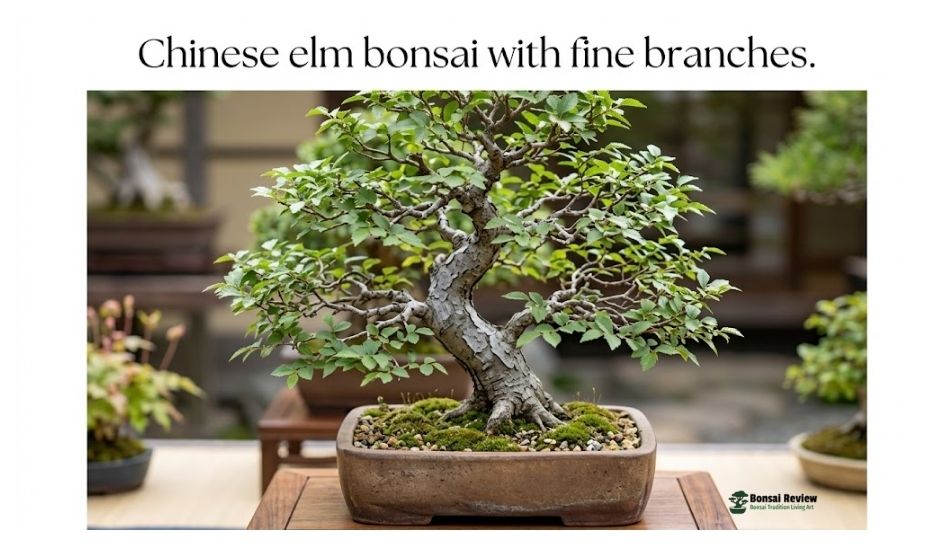
2. Chinese Elm Starter Tree
A Chinese Elm starter tree is a good pick if you want small leaves and lots of fine branches. It gives you a good base for learning pruning and shaping.
Best for: Beginners who want a traditional bonsai look.
3. Juniper Bonsai Starter Tree
Choose a Juniper starter tree if you have a suitable outdoor space. Look for healthy green foliage and a strong trunk.
Best for: Outdoor beginners.
4. Japanese Maple Starter Tree
A Japanese Maple starter tree is a good choice if you want colorful leaves and seasonal changes. Make sure you can provide the right outdoor conditions before buying one.
Best for: Growers who enjoy seasonal color.
5. Japanese Black Pine Starter Tree
A Japanese Black Pine starter tree can be a great long-term project. It may require more knowledge of pruning and seasonal growth, but you can watch its trunk and bark develop over time.
Best for: Growers who want to learn more advanced bonsai care.
Quick Buying Guide
| If You Want… | Consider… |
| An indoor bonsai | Ficus |
| An easy first tree | Ficus or Chinese Elm |
| A classic outdoor bonsai | Juniper |
| Colorful seasonal leaves | Japanese Maple |
| A traditional conifer | Japanese Black Pine |
| Flowers | Azalea |
| A warm-climate bonsai | Bougainvillea or Olive |
Before you buy, always check the species, growing location, light needs, climate needs, and care level. A starter tree is only a good choice when you can give it the conditions it needs.
For this guide, use the species above as your starting point. Then explore the individual species guides for detailed care, pruning, watering, repotting, and buying advice.
How to Identify Your Bonsai Tree
If you already own a bonsai but do not know its name, you can often narrow it down by looking closely at its leaves, bark, trunk, and growth pattern. Knowing the species matters because each tree can have different light, water, and temperature needs.
Start With the Leaves
Look at the size, shape, color, and texture of the leaves.
- Ficus: Thick, shiny leaves.
- Chinese Elm: Small, oval leaves with fine branches.
- Japanese Maple: Thin, deeply divided leaves.
- Olive: Narrow, gray-green leaves.
- Azalea: Small leaves with a slightly rough texture.
Look at the Foliage
If your bonsai has needles or scale-like foliage, it may be a Juniper, Pine, or Spruce.
Junipers often have scale-like or needle-like foliage. Pines have bundles of long needles. Spruce has short, sharp needles attached to small woody pegs.
Check the Bark and Trunk
The trunk can give you another clue.
Japanese Black Pine can develop rough, dark bark. Juniper may have twisted trunks and areas of deadwood. Ficus often develops a thick, smooth or lightly textured trunk and strong roots.
Check for Flowers or Fruit
Flowers can make identification much easier. A bonsai with large colorful flowers may be an Azalea or Bougainvillea. Small fruits may point toward Crabapple or another fruiting species.
Why Identification Matters
Do not start changing your watering or light routine until you know what tree you have. A care method that works for a Ficus may not work for a Juniper.
If you are unsure, compare several features instead of relying on one leaf or one photo. Once you identify the species, you can follow a care guide made specifically for that tree.
How to Choose the Right Bonsai Tree
You do not need to know every bonsai species before choosing your first tree. Start with your own situation, then narrow your choices.
Step 1: Choose Where You Will Grow It
First, decide if your bonsai will live indoors or outdoors.
For indoor growing, look at tropical and subtropical species such as Ficus, Dwarf Jade, and Fukien Tea.
For outdoor growing, you can consider Juniper, Japanese Maple, Japanese Black Pine, Spruce, and other hardy species.
Step 2: Check Your Light
Next, look at the spot where you want to keep your tree.
Most bonsai need strong light. A dark corner may not work, even if the tree is small.
If you plan to grow indoors, a bright window or suitable grow light may be needed.
Step 3: Match the Tree to Your Climate
Your local weather matters for outdoor bonsai. Check your winter temperatures, summer heat, and USDA hardiness zone.
A species that fits your climate will be easier to keep healthy.
Step 4: Think About Your Experience
If you are new to bonsai, start with a species that gives you room to learn.
Ficus, Chinese Elm, and Juniper are common starting points. More demanding species can come later as your skills grow.
Step 5: Choose the Look You Like
Now think about what you want to see.
- Small leaves: Chinese Elm or Ficus
- Needles: Pine or Juniper
- Fall color: Japanese Maple
- Flowers: Azalea or Bougainvillea
- Fruit: Crabapple or Olive
- Rugged trunk: Juniper or Pine
Your Simple Bonsai Decision
- If you want an indoor beginner bonsai, start by looking at Ficus.
- If you want an outdoor beginner bonsai, Juniper is worth considering.
- If you want color, look at Japanese Maple.
- If you want flowers, explore Azalea or Bougainvillea.
- If you want a classic conifer, compare Pine, Juniper, and Spruce.
This simple process can help you move from a long list of types of bonsai trees to a short list that actually fits your life. From there, you can learn the care needs of each species before you buy.
End of Line: Finding the Right Bonsai Tree
There is no single best bonsai tree for everyone. The right choice depends on where you live, where you will grow it, how much light you have, and how much care you can give.
If you want an easy indoor start, Ficus is a good place to begin. If you have outdoor space, Juniper can give you the classic bonsai look. You can also explore Chinese Elm, Japanese Maple, Japanese Black Pine, Azalea, Olive, and other species as you learn more.
Do not choose a tree only because it looks beautiful in a photo. First, check its growing needs. Then make sure those needs match your space and routine.
Once you know the basics, you can explore each species in more detail. A species-specific guide can show you how to water, prune, repot, feed, and protect that tree through the seasons.
Choose the bonsai species that best matches your space and experience, then learn its care needs before you buy.
Relevant article: Which Types of Bonsai Trees Indoor Best for Beginners? Easy Guide.
FAQs: Which Bonsai Tree Is Best for Your Home? Popular Types Explained.
1. What are the most common types of bonsai trees?
Some popular choices include Ficus, Chinese Elm, Juniper, Japanese Maple, Japanese Black Pine, Azalea, and Dwarf Jade. Each species has different growing and care needs.
2. What is the best bonsai tree for beginners?
Ficus, Chinese Elm, and Juniper are good starting points. Your best choice depends on whether you want to grow the tree indoors or outdoors.
3. Which bonsai trees can grow indoors?
Ficus, Dwarf Jade, and Fukien Tea are common indoor bonsai choices. They still need plenty of light and proper watering.
4. Can a Juniper bonsai grow indoors?
A Juniper bonsai should generally be grown outdoors. It needs natural sunlight and seasonal changes to stay healthy. Keeping it indoors for long periods can cause problems.
5. Which bonsai tree has flowers?
Azalea, Bougainvillea, and Crabapple are popular flowering bonsai. Their blooms depend on the species and growing conditions.
6. Which bonsai trees have small leaves?
Chinese Elm, Ficus, and Japanese Maple can have small or finely divided leaves that work well with bonsai proportions.
7. Which bonsai trees are evergreen?
Juniper, Japanese Black Pine, Scots Pine, and Spruce are examples of evergreen bonsai. They keep their foliage instead of losing all their leaves in winter.
8. Are bonsai trees real trees?
Yes. A bonsai is a real tree or woody plant trained to stay small through pruning, root work, potting, and careful growing.
9. How do you know which bonsai tree is right for you?
Start with your growing location, sunlight, climate, experience, and available time. Then choose a species that fits those conditions.
10. Can you grow any tree as a bonsai?
Many woody plants can be trained as bonsai, but not every tree makes a practical choice. The species should respond well to pruning and be able to live in a container with proper care.