


Money Plant Problems in Canada, common to the Canadian indoor winter environment, often stem from improper watering, leading to yellowing, drooping, or crispy leaves and root rot.
Other issues include insufficient light causing leggy growth, pests like spider mites and mealybugs, and low humidity resulting in brown leaf edges.
Money plant problems in Canada can be tricky. If you care for a money tree (Pachira aquatica), a Chinese Money Plant (Pilea peperomioides), a Golden Pothos (Epipremnum aureum), or even a Jade Plant (Crassula ovata).
Many people mix up these plants, but they all suffer from the same common troubles. You may see yellow leaves, brown edges, curling stems, leaf drop, or black spots. These are not bad luck; they are warning signs.
In Canadian winters, your plant struggles with short daylight hours, dry indoor heating, and drafty windows. On top of that, problems like overwatering, underwatering, root rot, spider mites, mealybugs, scale insects, and powdery mildew can make the plant look weak and unhealthy.
The good news is that you can fix most of these issues. Use the finger test before watering. Choose pots with drainage holes and soil that drains well.
Add moisture with a humidifier or a pebble tray. Place your plant in bright, indirect light or add grow lights in winter. For pests, try neem oil or insecticidal soap.
No matter if you bought your plant from an online or local store, these steps will help you care for it and keep your money plant healthy in your Canadian home.
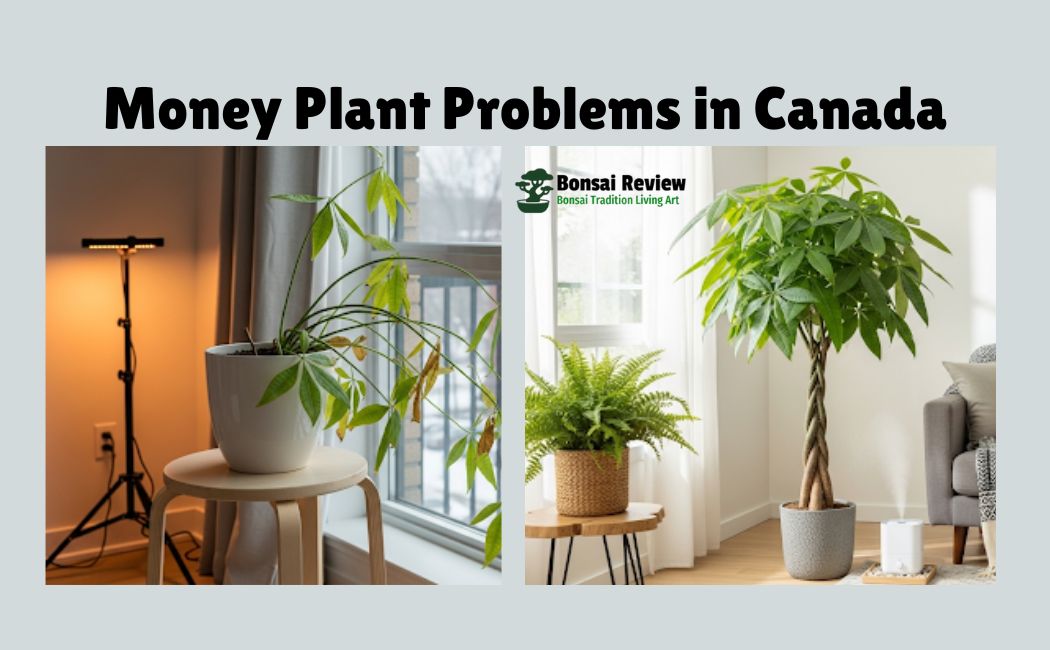
Watering Woes: Why Leaves Turn Yellow or Crispy?
One of the biggest money plant problems in Canada comes from watering mistakes. If you overwater your money tree (Pachira aquatica) or Chinese Money Plant (Pilea peperomioides).
You’ll often see yellow leaves, soft stems, and root rot. If you underwater, the plant shows drooping, crispy leaves, and the soil may shrink away from the pot.
Canadian winters make this harder. The top layer of soil dries fast in heated rooms, but the bottom can stay wet confuses many plant owners. That’s why the finger test is so helpful to check if the top 2 inches of soil are dry before watering.
To keep your plant safe, always use a pot with drainage holes and a well-draining soil mix. If you notice a bad smell, black roots, or soggy soil, it may be time to repot your plant.
Remove the damaged roots and replace the soil. Watch for fungus gnats, since they often appear when the soil stays too wet. With these small changes, you can prevent the most common watering problems and help your money plant grow healthy again.
Why Is My Money Plant Not Growing Well in Canadian Light?
Light is another big cause of money plant problems in Canada. If your money tree (Pachira aquatica) or Chinese Money Plant (Pilea peperomioides) does not get enough sun, you may see leggy stems, pale leaves, or slow growth. On the other hand, too much direct sun can burn the leaves, leaving yellow patches or curled edges.
In Canadian winters, the problem grows worse. Short daylight hours mean your plant struggles to make enough energy.
To fix this, place your plant near a bright window with indirect light. If your home does not get much natural light, try using grow lights during the darker months of December and January.
Good light care helps your money plant stay compact, green, and full of new growth even through Canada’s long, cold season.
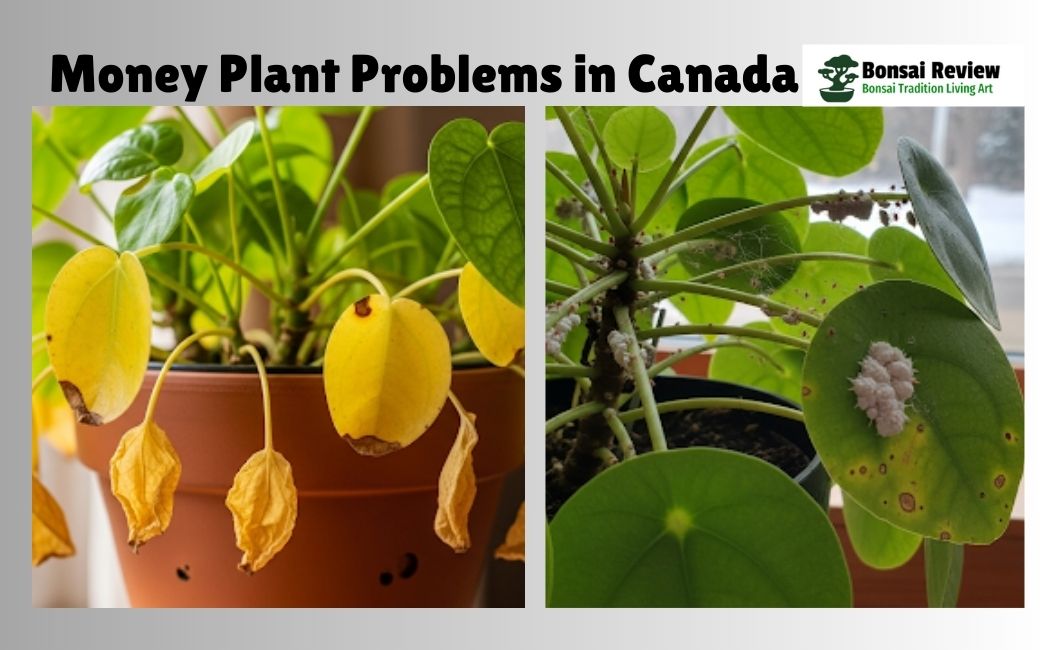
Why Does My Money Plant Suffer in Canadian Homes During Winter?
Keeping your money plant thriving in Canada comes from humidity and temperature stress. Many money plant problems occur in the Canadian cold season. Indoor heating makes the air dry, and your indoor dwarf plant may show brown edges, crispy leaves, or leaf drop. If it sits near a drafty window or door, the sudden cold can also damage it.
To help your money tree (Pachira aquatica), Chinese Money Plant (Pilea peperomioides), or Golden Pothos (Epipremnum aureum), you need to raise the humidity. A simple pebble tray or a humidifier works well. Grouping plants also adds moisture to the air.
Keep your plant away from direct blasts of hot air or cold drafts. A steady, warm spot with gentle light will protect it from Canadian winter stress. With this balance, your plant will stay green and healthy, even when the weather outside is harsh.
What Pests and Diseases Attack Money Plants in Canada?
Some money plant problems in Canada are caused by tiny pests and hidden diseases. If your money tree (Pachira aquatica), Chinese Money Plant (Pilea peperomioides), or Jade Plant (Crassula ovata) looks weak, check the leaves closely. Spider mites leave fine webs. Mealybugs look like white fluff. Scale insects stick to stems and suck the sap.
These pests make leaves turn yellow, curl, or drop. Diseases can also spread indoors. Powdery mildew shows up as white spots on leaves. Bacterial spots or black marks mean the plant is under stress. These problems often grow worse in Canadian homes where dry air and low airflow give pests a chance to spread.
You can fight them with natural care. Spray leaves with neem oil or wash them with insecticidal soap. Wipe the leaves often and keep the area clean. By acting early, you stop the pests before they take over your plant.
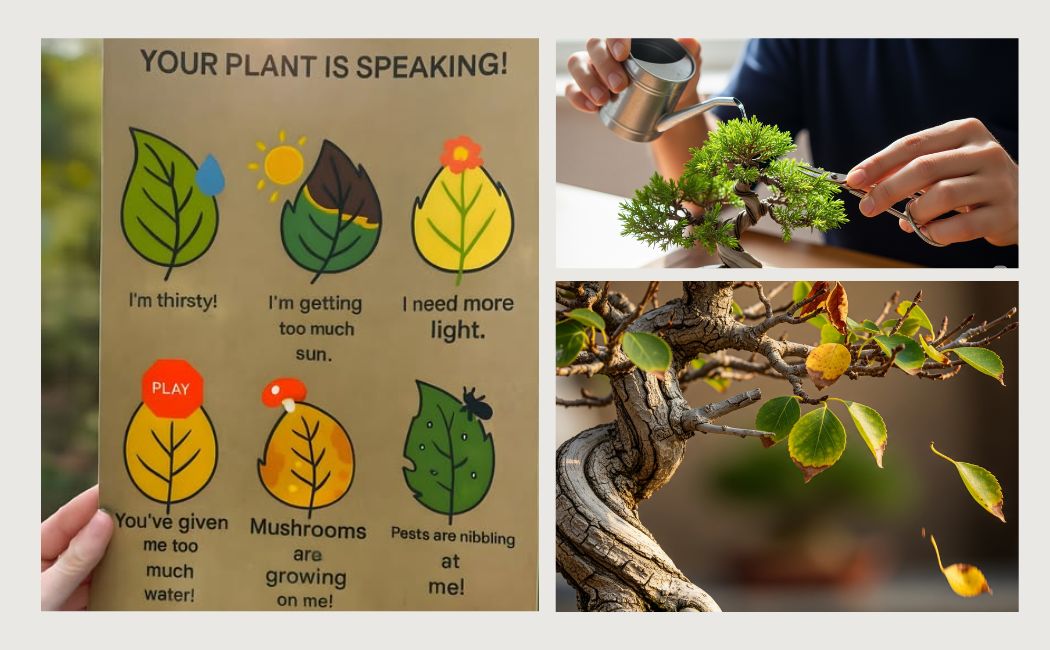
How Can I Keep My Money Plant Healthy During Canadian Winters?
Money Plant Problems in Canada, common to the Canadian indoor environment, often stem from improper watering, leading to yellowing, drooping, or crispy leaves and root rot.
Other issues include insufficient light causing leggy growth, pests like spider mites and mealybugs, and low humidity resulting in brown leaf edges.
| Problem / Stress | Symptoms | Practical Solution | Canadian Context / Tip |
| Short daylight hours | Slow growth, pale leaves, leggy stems | Move the plant near a bright window or use grow lights | Winter days are very short, especially Dec to Jan. |
| Low humidity (dry indoor air) | Brown leaf edges, crispy leaves, leaf drop | Use a humidifier, pebble tray, or group plants together | Indoor heating makes the air very dry in Canadian homes |
| Cold drafts | Leaf drop, drooping stems | Keep the plant away from drafty windows or doors | Protect from sudden temperature drops from vents or open windows |
| Overwatering in winter | Yellow leaves, soft stems, root rot | Water less frequently, use the finger test, and ensure drainage holes | Soil dries slower in winter; check moisture before watering |
| Underwatering in winter | Drooping leaves, compacted soil | Water thoroughly when the top 1–2 inches of soil is dry | Indoor heaters may dry the soil faster than you think |
| Pests & diseases | Spider mites, mealybugs, powdery mildew, scale | Spray neem oil or insecticidal soap, clean leaves | Dry indoor air and low airflow allow pests to thrive |
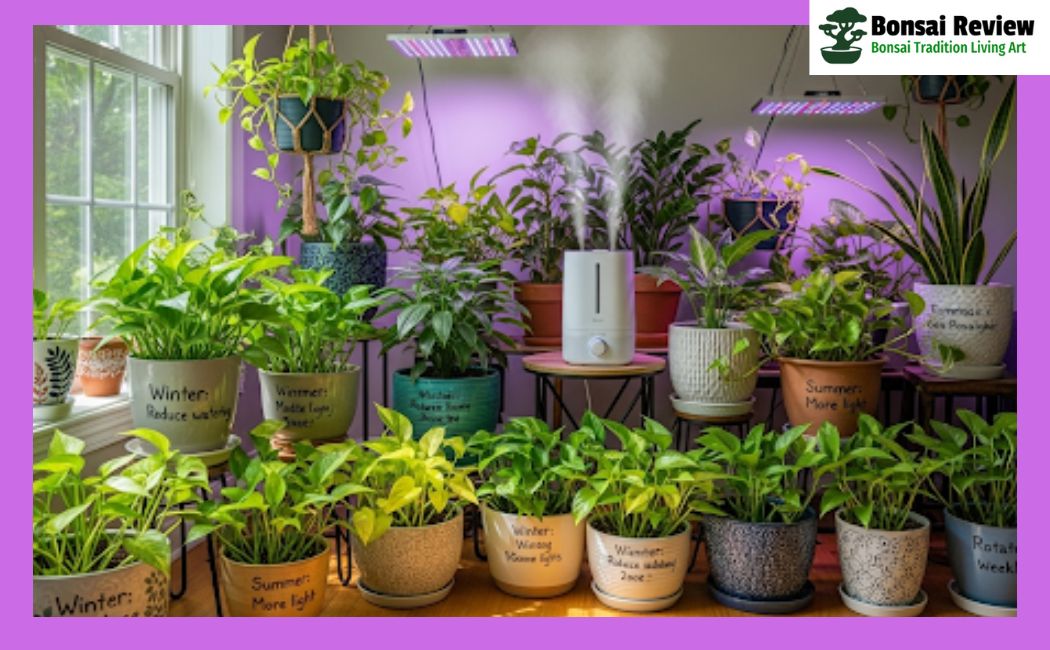
How to Care for Your Money Plant Through Canadian Seasons
Caring for a money plant in Canada requires adjusting to seasonal changes. In winter, indoor heating and low daylight can dry out your money tree (Pachira aquatica) or Chinese Money Plant (Pilea peperomioides), causing brown edges, drooping leaves, or leaf drop.
Place your plant in bright, indirect light, use grow lights if natural light is limited, and increase humidity with a humidifier or pebble tray. Water sparingly, allowing the soil to dry 1–2 inches before the next watering.
In spring, as daylight increases, your plant enters a growth phase. It’s the best time to repot, fertilize lightly, and prune damaged leaves.
Check for pests like spider mites, mealybugs, or scale, and treat with neem oil or insecticidal soap early.
During summer, Canadian homes may get warmer and more humid. Keep the plant in indirect sunlight, avoid scorching from direct sun, and maintain consistent watering. Outdoors, ensure it is protected from extreme heat or strong winds.
In the fall, your plant starts preparing for slower growth. Reduce fertilization, continue monitoring soil moisture, and make sure it is away from drafts as windows begin to open for cooler nights.
By following these seasonal adjustments, your money plant can thrive all year. You’ll prevent yellowing, crispy leaves, root rot, and stress from Canadian weather, ensuring a lush, green, and healthy plant in every season.
What Should I Do If My Money Plant Still Looks Unhealthy?
| Symptom | Likely Cause | Quick Solution | Notes for Canadian Homes |
| Leaves turning yellow | Overwatering, nutrient deficiency | Check soil moisture (finger test), reduce watering, repot if needed | Canadian winters can make the soil stay wet longer |
| Drooping or curling leaves | Underwatering, cold draft, low humidity | Water thoroughly, move away from the draft, and add a humidifier or pebble tray | Indoor heaters dry the air quickly |
| Brown leaf edges | Low humidity, over-fertilizing | Increase humidity, cut off damaged leaves, and reduce fertilizer | Common in heated homes during winter |
| Leaf drop | Stress from light, temperature, or watering changes | Adjust placement, follow seasonal care, and avoid sudden moves | A few leaves dropping is normal during winter adjustments |
| Stems stretching / leggy growth | Insufficient light | Move near a bright window, add grow lights | Especially common during December–January short daylight hours |
| Black spots / powdery mildew | Fungal infection, high humidity | Remove affected leaves, increase air circulation, and spray neem oil | Avoid overhead watering |
| Pests (spider mites, mealybugs, scale) | Dry indoor air, low airflow | Wipe leaves, spray insecticidal soap or neem oil | Inspect regularly to catch early |
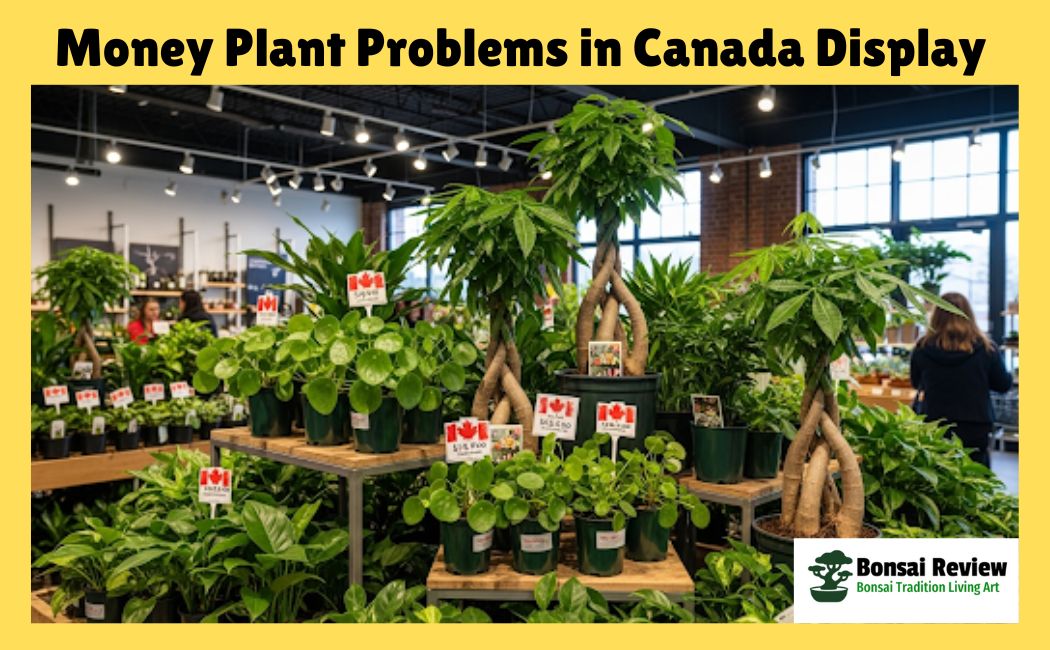
Where and How to Buy & Care for Money Plants in Canada
If you’re looking to bring a money plant into your Canadian home, you have many options. Popular choices include the money tree (Pachira aquatica), Chinese Money Plant (Pilea peperomioides), Golden Pothos (Epipremnum aureum), and even the Jade Plant (Crassula ovata).
You can buy them indoors or online, from trusted Canadian sellers like Home Depot, Canadian Tire, Gold Leaf Botanicals, JOMO Studio, or Sprout Calgary. Prices range from under $20 for smaller plants to higher for mature or rare varieties.
When you bring your plant home, proper plant care is key to avoiding common money plant problems in Canada. Start with a pot that has drainage holes and use a well-draining soil mix.
Position it in bright, indirect light; if natural light is low, use grow lights, especially in winter months. Water carefully using the finger test, letting the top 1–2 inches of soil dry before watering again.
Maintain humidity with a humidifier or pebble tray, and watch for pests like spider mites, mealybugs, or scale insects. Treat infestations early with neem oil or insecticidal soap.
By choosing the right plant and following these steps, your money plant will thrive indoors in Canada. You’ll see green, vibrant leaves, fewer yellow or brown patches, and a plant that grows steadily year-round.
Conclusion: Money Plant Problems in Canada: Pachira & Pilea Care Tips.
Caring for a money plant in Canada can be simple when you understand the common problems and adjust your care to the seasons. Most issues, such as yellow leaves, drooping stems, brown edges, leaf drop, or pest infestations, are preventable with proper attention.
Your money tree (Pachira aquatica), Chinese Money Plant (Pilea peperomioides), or Golden Pothos (Epipremnum aureum) will flourish if you water carefully using the finger test, allowing the top 1–2 inches of soil to dry before watering again.
Providing bright, indirect light and supplementing with grow lights during the short Canadian winter days ensures steady growth.
Maintaining proper humidity is crucial, especially in heated homes; you can use a humidifier, pebble tray, or group plants together to keep the air moist.
Regularly check for pests like spider mites, mealybugs, or scale insects, and treat early with neem oil or insecticidal soap to prevent damage.
Seasonal adjustments also play a big role in protecting plants from cold drafts in winter, extreme heat in summer, and take advantage of spring and summer for pruning, repotting, and light fertilization to encourage new growth.
By following these practical, Canada-specific tips, your money plant will stay vibrant, green, and healthy all year round.
With consistent care, you can enjoy a lush indoor garden, free from the common problems that many Canadian plant owners face, making your home brighter and more inviting.
Helpful article topic: What is the Money Plant Called in Canada?
FAQs About Money Plant Care in Canada.
1. Why are my money tree leaves turning yellow in Canada?
Yellow leaves usually mean overwatering, underwatering, or low light. Check the top 1–2 inches of soil with your finger test before watering. Make sure your Pachira aquatica or Pilea peperomioides gets bright, indirect light, and reduce watering in Canadian winters when the soil dries more slowly.
2. How often should I water my Chinese Money Plant in Canadian homes?
Water only when the top 1–2 inches of soil are dry. In winter months, this may be once every 10–14 days. Always use a pot with drainage holes and a well-draining soil mix to prevent root rot.
3. My money plant leaves have brown edges. What can I do?
Brown leaf edges often happen from low humidity or dry indoor heating. Use a humidifier, pebble tray, or group plants together to raise humidity. Avoid placing the plant near drafty windows or heaters.
4. Are pests a big problem for money plants in Canada?
Yes, indoor pests like spider mites, mealybugs, and scale insects can appear. Look for white fluff, tiny webs, or sticky stems. Treat early with neem oil or insecticidal soap, and wipe leaves clean regularly.
5. How do I help my money plant survive Canadian winters?
Place your plant in bright, indirect light, use grow lights if daylight is low, water carefully, and maintain humidity. Keep it away from cold drafts and hot air vents. Following these steps helps your Pachira aquatica, Pilea peperomioides, or Epipremnum aureum stay healthy through harsh winter conditions.
6. Where can I buy money plants safely in Canada?
Trusted options include Home Depot, Canadian Tire, Gold Leaf Botanicals, JOMO Studio, and Sprout Calgary. You can buy indoor plants, seeds, or seedlings online or in-store, making it easier to start your indoor garden.
7. Can a money plant recover if it’s drooping or stressed?
Yes! Most problems like yellow leaves, curling stems, or leaf drop are reversible with proper care. Adjust watering, light, and humidity, and check for pests. With consistent attention, your plant will bounce back.
8. What is a money plant called in Canada?
Scindapsus aureus, or Epipremnum aureum or Golden Pothos (Money Plant) is a very attractive and durable plant. It is also strong in tackling formaldehyde and purifying the indoor environment. This plant is tolerant of low light conditions and is super easy to grow.