


Rare bonsai tree buying can feel hard when you want a special tree, but you do not know which one is real, old, or worth the price. You see names like Sargent Juniper, Japanese maple, Ficus microcarpa, Mountain pine, and Cherry blossom bonsai, but you still feel lost.
A rare and valuable bonsai tree’s worth comes from a blend of deep age, extensive development time will decades to centuries, superior trunk taper, unique natural features like deadwood, rare species, masterful artistry (refinement), cultural heritage (famous artist/history), and exceptional health or genetics, creating a living sculpture with profound character and story, not just a plant.
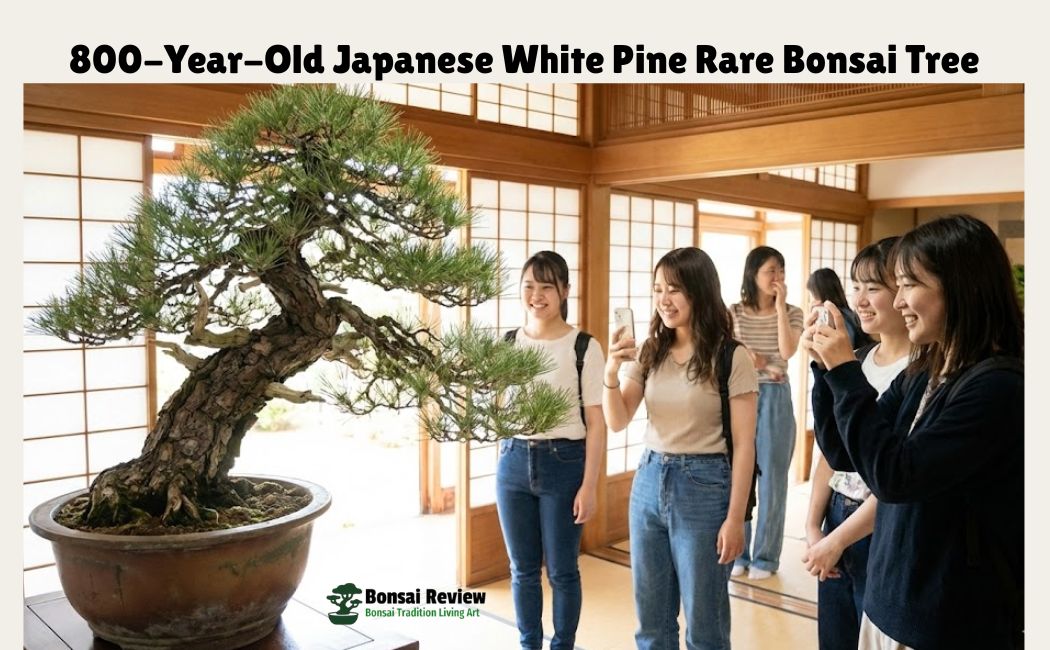
You also hear stories about the 800-year-old Japanese White Pine that sold for $1.3 million, the most expensive bonsai in Omiya, and other trees on the top 10 most expensive bonsai tree lists. This can make you worry, “Which rare tree is right for me?”
So here, you get a clear, simple path. You learn what makes a tree rare, like strong nebari, old bark, wild Yamadori roots, and the work of masters like Masahiko Kimura. You also see how colors like pink, white, green, brown, and dark bark can help you pick the look you want.
And if you plan to buy, you get help with rare bonsai trees for sale, unique bonsai trees for sale, rare bonsai tree price, 100-year-old bonsai tree price, bonsai pots, pots & planters, tree seeds, and even Zone 10-friendly types.
Understanding the Meaning and Symbolism of Rare Bonsai Trees
A rare bonsai tree is more than just a plant it tells a story. Each tree carries meaning that can inspire and calm you.
1. Juniper Bonsai: Represents strength and endurance. The juniper bonsai outdoor plants with twisted branches show resilience.
2. Cherry Blossom Bonsai: Symbolizes beauty, renewal, and the fleeting nature of life. Cherry Blossom tiny bonsai plants with soft pink or white flowers bring peace to your space.
3. Japanese Maple: Stands for balance and serenity. The Japanese Maple bonsai plant has colorful leaves that change with the seasons, showing the flow of life.
4. Ficus Bonsai: Symbolizes flexibility and patience. Ficus bonsai grows indoors easily, reminding you that growth takes time.
5. Pine Bonsai: Represents longevity and steadfastness. The Pine indoor bonsai tree needles stay green year-round, showing consistency.
When you care for a rare bonsai, you also connect with its story. The age, shape, and color of your tree reflect centuries of growth, care, and artistry.
Each leaf, bloom, or root tells a piece of history, turning your bonsai into a living symbol of patience, beauty, and nature’s art.
What Is the Rarest Bonsai Tree in the World?
Finding a true Rare Bonsai Tree is like finding a hidden treasure map. Most people think these small trees are just simple plants in pots, but the world of rare bonsai is full of history, art, and incredible value. Some of these living sculptures are older than your great-grandparents and can cost more than a luxury car.
You might not be looking to spend a million dollars today, but you can still find unique and special trees that bring that same magic into your home. This guide will show you what makes a tree “rare,” introduce you to famous trees worth millions, and review the best unique bonsai you can actually buy today. If you want a flowering gem or a sturdy evergreen, find the perfect match.
Top Picks: Which Rare Bonsai Should You Start With?
Here is a quick comparison of your favorite unique and accessible bonsai trees.
| Product Name & Best For | Product Image | Stability Rating | Key Feature | Check Price |
| L&J Nursery Live Juniper Procumbens (Traditional Look) |  |  4/5 | Classic “cloud” shape pads | Check Price |
| Golden Gate Ficus (Beginners & Indoor Plant) | 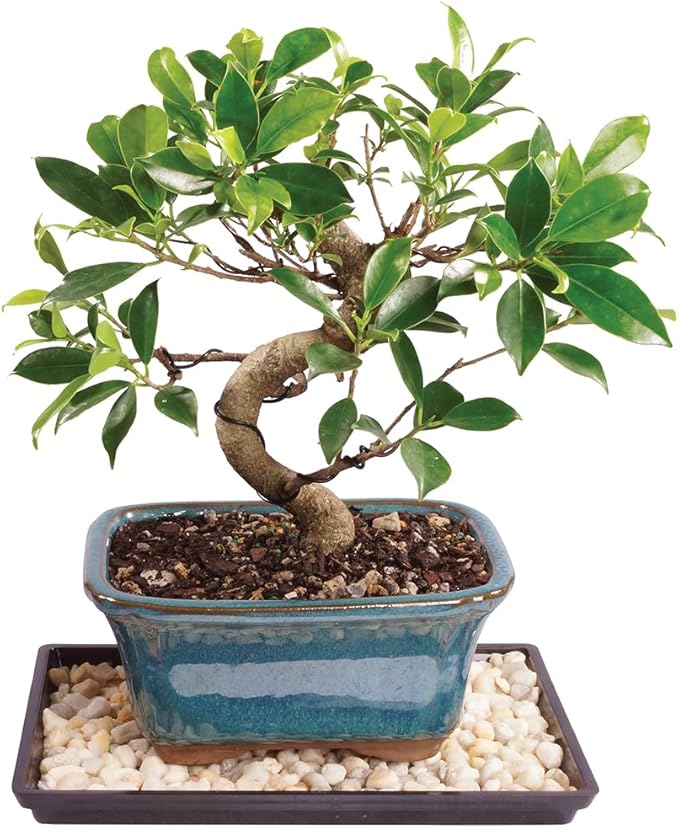 | 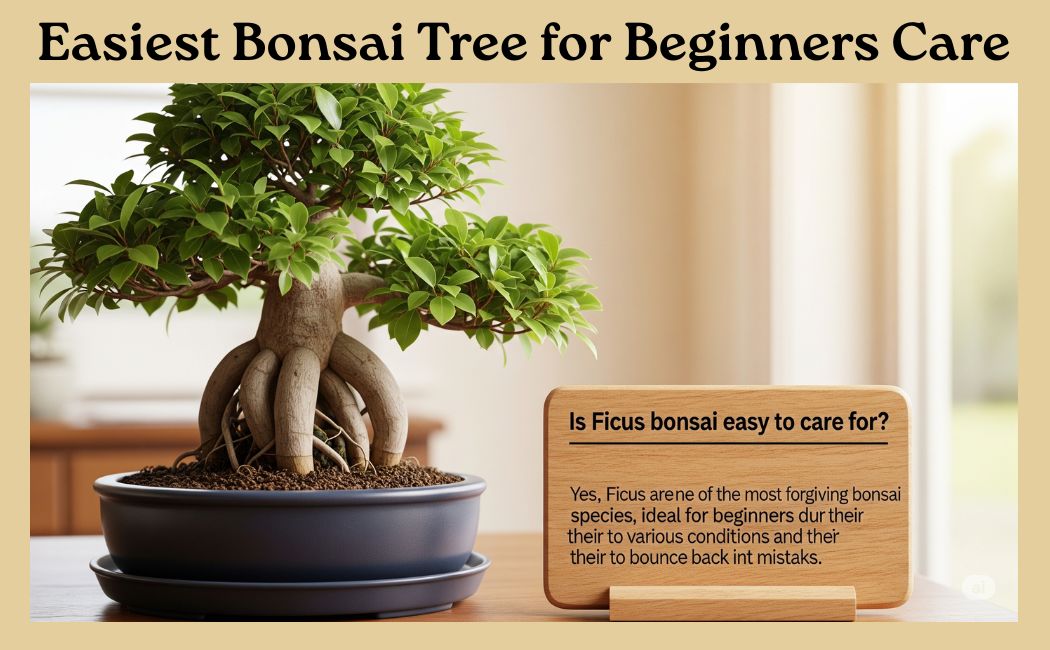 4.3/5 | Thick, exposed roots | Check Price |
| Japanese Red Maple Color Lovers | 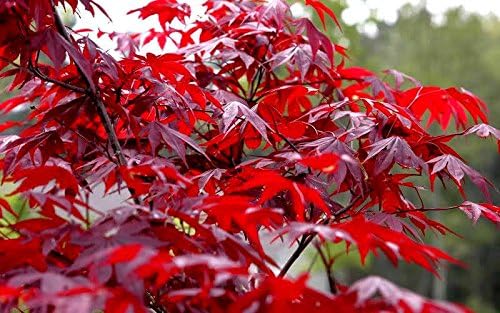 | 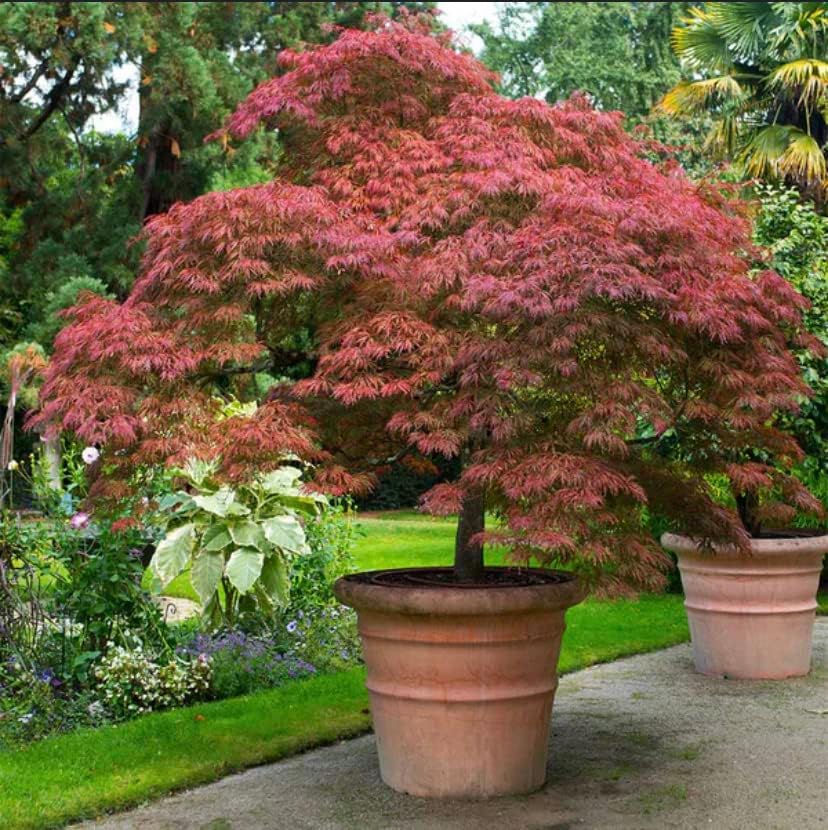 3/5 | Leaves change color seasonally | Check Price |
| Satsuki Azalea (Flowers) | 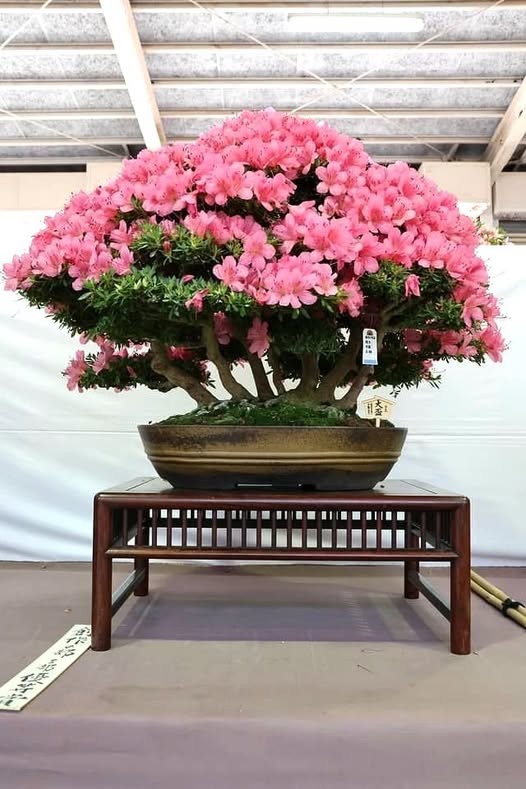 | 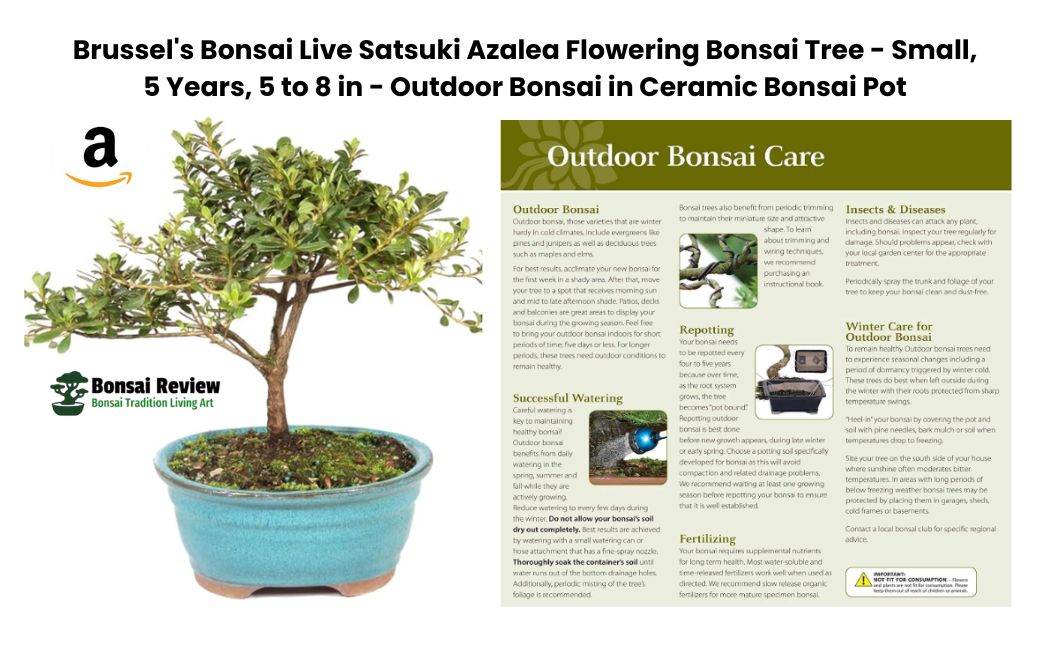 4/5 | Stunning pink or white blooms | Check Price |
| Japanese Black Pine (Thunderhea) | 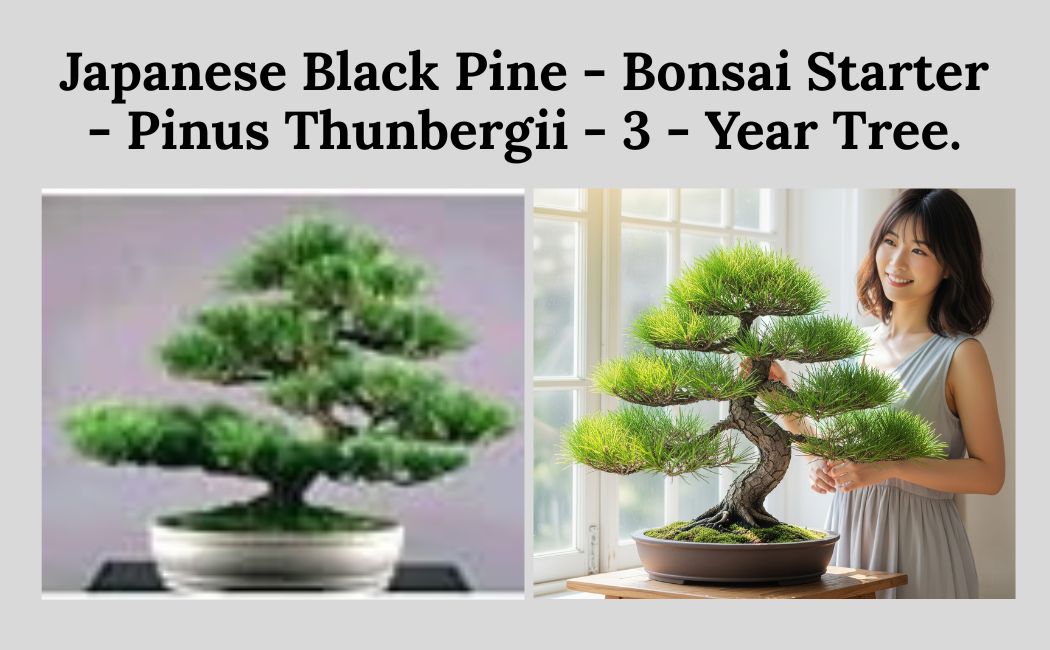 |  4/5 | Beautiful twisting trunk | Check Price |
In-Depth Reviews: Unique Bonsai for Your Home
While the most expensive bonsai tree might be out of reach, you can still own a piece of this art form. Here are our top recommendations if you want to buy rare bonsai tree types that are unique but available.
1. L&J Nursery Juniper Bonsai Tree Starter Kit “Nana.”
The Juniper is the classic choice. Decorative, low-maintenance, miniature tree that gives you that rare bonsai look without costing a fortune.
This complete bonsai kit includes a live Juniper procumbens nana bonsai tree, plastic bonsai pot, premium soil, and training wire, the full setup for beginner bonsai lovers.
The L&J Nursery Juniper Bonsai Tree Starter Kit. This complete kit includes a live Juniper procumbens nana, a durable plastic bonsai pot, bonsai training wire, and a bag of premium bonsai soil, everything you need to create your own living sculpture.
The Juniper Bonsai is known for its elegant, evergreen foliage and strong trunk structure. It’s a classic choice for bonsai lovers, symbolizing strength and longevity. This variety thrives best outdoors in bright light and fresh air, making it a perfect addition to patios, balconies, or garden spaces.
Each Juniper “Nana” outdoor tree is carefully grown and packaged by the experienced growers at L&J Nursery, ensuring a healthy start for training, pruning, and shaping. If you’re a first-time grower or adding to your collection, this kit delivers a rewarding hands-on experience that grows with you.
Key Features of Rare Bonsai Tree: L&J Nursery Juniper Bonsai Tree Starter Kit.
- Needle Foliage: It has tight green pads that look like soft clouds.
- Curved Trunk: The trunk is trained to curve, making it look like an old tree on a windy cliff.
- Outdoor Preference: It loves fresh air and seasonal changes.
The Juniper’s evergreen foliage and resilient trunk make it a symbol of strength, a timeless bonsai species, perfect for those inspired by tradition and natural artistry.
This is a great entry point into the hobby. It looks expensive and established. If you want a juniper rare bonsai tree vibe, this is the best place to start. It teaches you patience and pruning skills.
Pros for Rare Bonsai Tree: Classic Outdoor Bonsai for Beginners & Gift Set.
- Classic Japanese aesthetic.
- Very hardy and tough.
- Stays green all year (evergreen rare bonsai tree).
Cons of Rare Bonsai Tree: Classic Outdoor Bonsai for Beginners
- Cannot live indoors with plants all year, and needs winter rest.
- Pruning can be tricky for total beginners.
- Slow growing
Best for: People who want the traditional “Karate Kid” bonsai look.
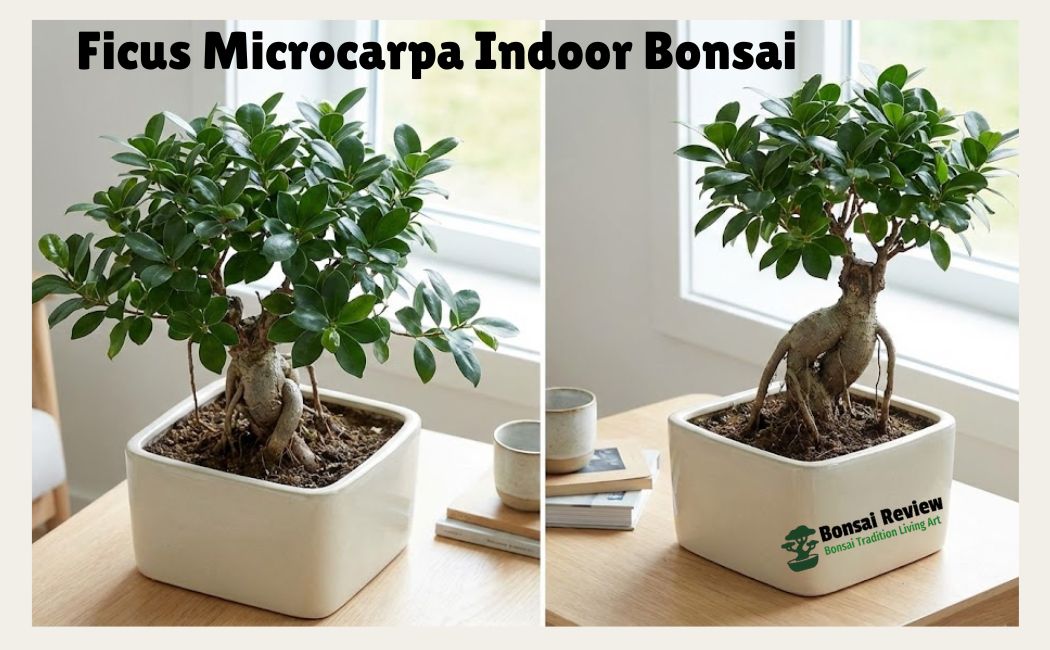
2. Golden Gate Ficus (Tiger Bark): Best Rare Bonsai Tree Indoor Plant
If you want a rare indoor ficus bonsai tree that is happy inside your house, this is the winner. The Golden Gate Ficus is famous for its “Tiger Bark,” which has little white stripes. It looks old and rugged even when it is young. Cherished for various reasons, Ficus bonsai are known for their ease of maintenance, requiring minimal attention. Ideal for beginners, Ficus species are rapid growers, adaptable to diverse soil and light conditions, and excel as indoor bonsai.
Key Features: Rare Bonsai Tree Live Golden Gate Ficus Indoor Plant.
- Exposed Roots: The roots often grow over the soil, looking exotic.
- Indoor Friendly: It thrives in zone 10 warmth or your living room.
- Small Leaves: Perfect scale for a miniature tree.
Ficus bonsai is the best buy indoor dwarf plant option on beginners. It is very forgiving. If you forget to water it one day, it won’t die immediately. It is a great bonsai gift because it survives well in offices or apartments.
Pros: Live Golden Gate Ficus Indoor Rare Bonsai Tree for Beginners.
- Excellent for beginners.
- Thrives indoors year-round.
- Unique bark texture adds character.
Cons: Live Golden Gate Ficus Indoor Rare Bonsai Tree for Beginners.
- Grows fast, so you must trim it often.
- Not cold-hardy (hates drafts).
Best for: Beginner Friendly, Indoor, Low Maintenance, and people who want a tree for their desk.
3. Japanese Red Maple (Acer Palmatum)
Japanese Red Maple Live Plants Shipped 1-2 Foot Tall
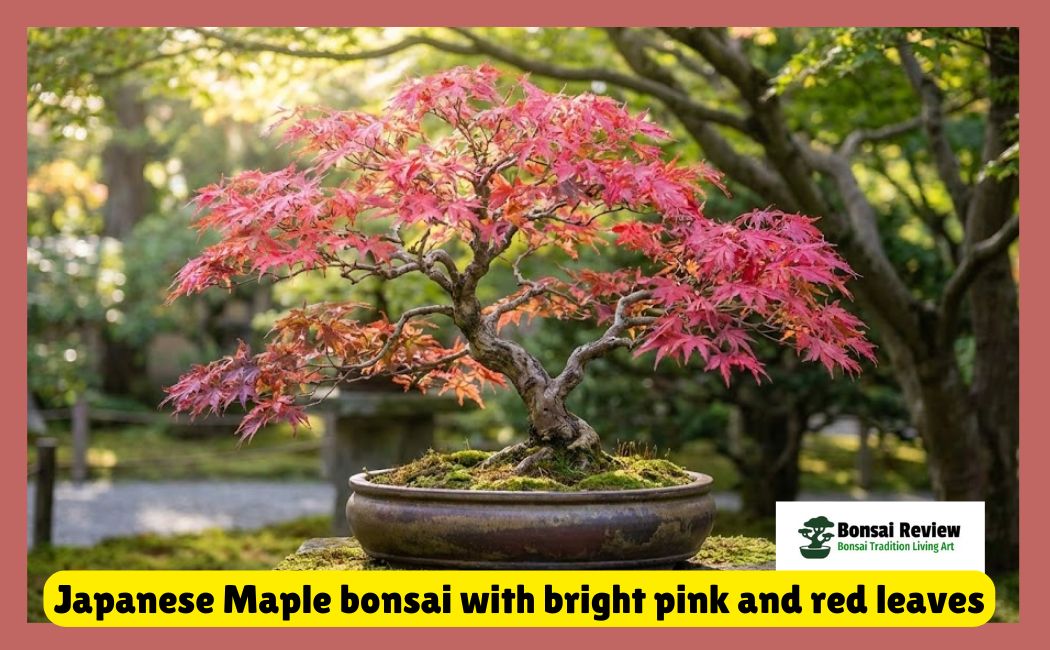
The Japanese Red Maple rare bonsai tree is prized for one thing color. Unlike the evergreens, this tree changes with the seasons. It can go from red to green to gold. Japanese red maple is a living calendar.
Key Features: Japanese Red Maple (Acer Palmatum)
- Seasonal Color: Beautiful red leaves in spring and fall.
- Delicate Branches: Fine, thin branches that look elegant in winter.
- Leaf Shape: Iconic 5-point majestic leaf shape.
| Indoor/Outdoor Usage | Outdoor |
| Brand | Japanese Maples and Evergreens |
| Color | Green, Orange, Pink, Red |
| Material Feature | Organic |
| Expected Blooming Period | Autumn, spring |
| Sunlight Exposure | full shade, full sun, part sun, partial shade |
| Expected Planting Period | Spring |
| Product Care Instructions | Well-drained |
| USDA Hardiness Zone | 5 |
This is a “high risk, high reward” tree. It is stunning, perhaps the most beautiful on this list. However, Maples are sensitive. They don’t like too much hot sun or wind. If you treat it right, you have a unique bonsai tree for sale contender that will impress everyone.
Pros: Japanese Red Maple (Acer Palmatum) Rare Bonsai Tree
- Incredible visual appeal.
- Changes look different every season.
- Highly valued in Japanese culture.
Cons: Japanese Red Maple (Acer Palmatum) Rare Bonsai Tree
- Leaves can burn in the hot sun.
- Needs protection from strong winds.
Best for: Gardeners who love color and have a sheltered outdoor spot.
4. Satsuki Azalea: Pink Flower Rare Bonsai Tree
If you are looking for a pink rare bonsai tree or a flowering rare bonsai tree, the Satsuki Azalea is the queen. These are famous because they bloom later in the spring than other flowers.
Key Features: Satsuki Azalea Rare Bonsai Tree
- Massive Blooms: The flowers can be huge compared to the tree’s size.
- Variable Colors: Some trees have pink, white, and red flowers on the same plant!
- Rough Trunk: The bark is rough and looks ancient.
| Indoor/Outdoor Usage | Outdoor |
| Material Feature | Ceramic Bonsai Pot, Outdoor Bonsai |
| Color | Green |
| Special Feature | Beginner Friendly, Flowering, Low Maintenance, Outdoor |
| Expected Blooming | Late Spring (May-June) |
| Sunlight Exposure | Partial Sun |
| Expected Planting | Spring Period |
This is a showstopper. When it blooms, you can hardly see the green leaves. It requires specific soil (acidic), but the payoff is worth it. Satsuki Azalea rare bonsai tree, is a piece of artificial flora come to life, but it’s real!
Pros: Satsuki Azalea Rare Bonsai Tree
- Spectacular flower display.
- Very popular in Japan.
- Good trunk structure.
Cons: Satsuki Azalea Rare Bonsai Tree
- Needs special acidic soil (Kanuma).
- Flowers need careful protection from rain.
Best for: People who love flowers and want a splash of color.
5. Japanese Black Pine (Thunderhead) Easy and Rare Bonsai Tree.
Japanese Black Pine – Bonsai Starter – Pinus thunbergii – 3-Year Tree
The Japanese Black Pine rare bonsai tree is often called the “King of Bonsai.” The Black Pine is strong, masculine, and vigorous. This is the species you often see in famous old photos.
| Indoor/Outdoor Usage | Outdoor |
| Brand | Japanese Maples and Evergreens |
| Material Feature & Color | Organic and Black |
| Expected Blooming | Spring, Summer, Winter Period |
| Sunlight Exposure | Full Sun, Partial Shade |
| Expected Planting | Summer Period |
| USDA Hardiness Zone | 5 |
| Soil Type | Sandy Soil |
Key Features: Japanese Black Pine Rare Bonsai Tree
- Thick Bark: Develops corky, plated bark as it ages.
- Long Needles: distinctive dark green needles.
- Longevity: These trees can live for hundreds of years.
If you are serious about bonsai care, get a pine. They play by different rules than leafy trees. Mastering a pine is a badge of honor. A well-trained pine is often the top 10 most expensive bonsai tree candidate at auctions.
Pros: Japanese Black Pine Rare Bonsai Tree Outdoor
- The most respected bonsai species.
- Extremely long lifespan.
- Looks powerful and ancient.
Cons: Japanese Black Pine Rare Bonsai Tree
- Care techniques (candling) are advanced.
- Needs full sun outdoors.
Best for: Dedicated hobbyists who want a legacy tree.
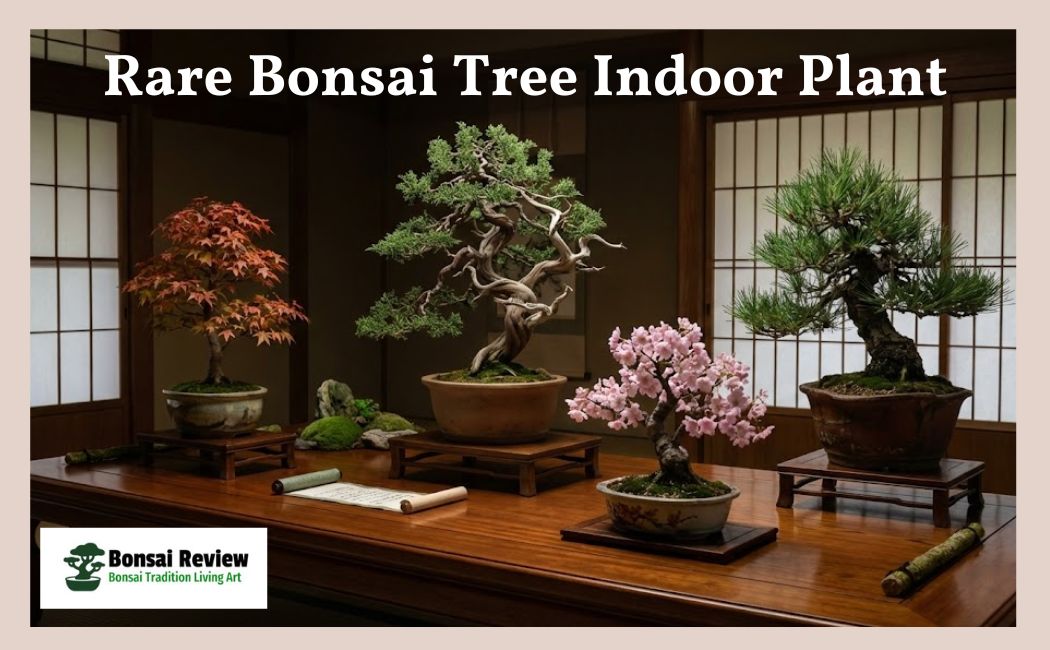
What to Consider When Choosing a Rare Bonsai?
Before you search for rare bonsai trees for sale, you need to understand what makes them special. This isn’t just gardening; it is art.
1. The Age Factor (The “Old Soul”)
The oldest bonsai tree is said to be over 1,000 years old! Age is the biggest factor in rarity. A 100-year-old bonsai tree price can easily be tens of thousands of dollars.
- Why it matters: Old trees have thick trunks and dense pads of leaves. You can’t fake age.
- Tip: Look for a tree with a thick trunk base (called “nebari“). This adds value.
2. The Species and Origin
Some trees are yamadori, which means they were collected from the wild (like mountains) rather than grown in a pot. A mountain pine collected from a cliff is naturally rare because it survived the harsh environment.
- Rare varieties: Pinus parviflora (White Pine) and Juniperus chinensis (Shimpaku) are classics.
- Unique finds: A rare fruit bonsai tree or a cherry rare bonsai tree (Sakura) are highly sought after for their seasonal beauty.
3. The Artist’s Touch
A tree styled by a master is worth more. For example, trees by Masahiko Kimura are legendary. One of the most expensive bonsai tree examples is a White Pine that sold for 1.3 million dollar most expensive bonsai tree at an auction. It wasn’t just a tree; it was history.
4. Size and Style
Bonsai come in many sizes. A size rare bonsai tree can be tiny (shohin) or huge (imperial).
- Unique styles: Look for “literati” (tall and skinny) or “windswept” styles.
- Pots: The pot matters too. Pots & planters rare bonsai tree collectors look for antique ceramics that match the tree’s history.
5. Understanding the Price
Why is the rare bonsai tree price so high? You are paying for time. If a grower spent 30 years pruning a tree every single day, that labor costs money.
- Budget options: You can find cheap indoor bonsai trees that look nice, but a true, rare bonsai tree sale usually involves auctions or specialty nurseries.
- Shipping: Be careful buying online. If you need it fast, check if you can get it by Sat, but remember that rushing a live tree in the mail can be risky.
The World’s Most Famous Rare Trees
To understand this world, you should know the legends. These are not usually on sale, but they set the standard.
- The Hiroshima Survivor: A Japanese White Pine (Pinus parviflora) that survived the atomic bomb in Hiroshima. It was gifted to the USA and now lives in Washington, D.C. It represents peace and survival.
- The Million Dollar Pine: At the International Bonsai Convention, a massive white pine sold for $1.3 million. It showed the world that bonsai is high art.
- The Juniper of Mansei-en: A famous juniper bonsai that is estimated to be 1,000 years old. It was collected from the wild and trained for generations.
These trees are often featured in books that rare bonsai tree collectors read to learn high-level styling.
How to Care for Your Rare Tree?
Once you buy rare bonsai tree, you must keep it alive. Here are the golden rules:
- Watering: Never let the soil dry out completely, but don’t drown it. Use a moisture meter if you are unsure.
- Placement: Know your tree. A brown rare bonsai tree (like a dried-up pine) is usually a dead tree caused by keeping an outdoor tree inside.
- Indoor Low-maintenance: Ficus, Jade, Chinese Elm.
- Outdoor Easy and Rare bonsai trees: Juniper, Pine, Maple.
- Feeding: Use slow-release fertilizer. Think of it as vitamins for the tree.
- Pruning: Use the “Rule of 3.” If three branches grow from one spot, cut the middle one to keep the design clean.
- Pots: Ensure your Pots & planters rare bonsai tree have drainage holes.
What Makes a Bonsai Tree Rare?
You also look at the roots. A strong nebari shows power and balance. The bark may look old, cracked, or dark, which shows real age. Some trees come from wild places.
These are called Yamadori, and they have shapes you cannot make in a pot. Trees shaped by masters like Masahiko Kimura also turn rare, because their style is art, not just training.
Color can also make a tree rare. You may see pink leaves on a maple, white blooms on a cherry bonsai, or deep green needles on a pine. Some trees even have fruit. All these small details make a rare bonsai stand out and feel special when you hold it.
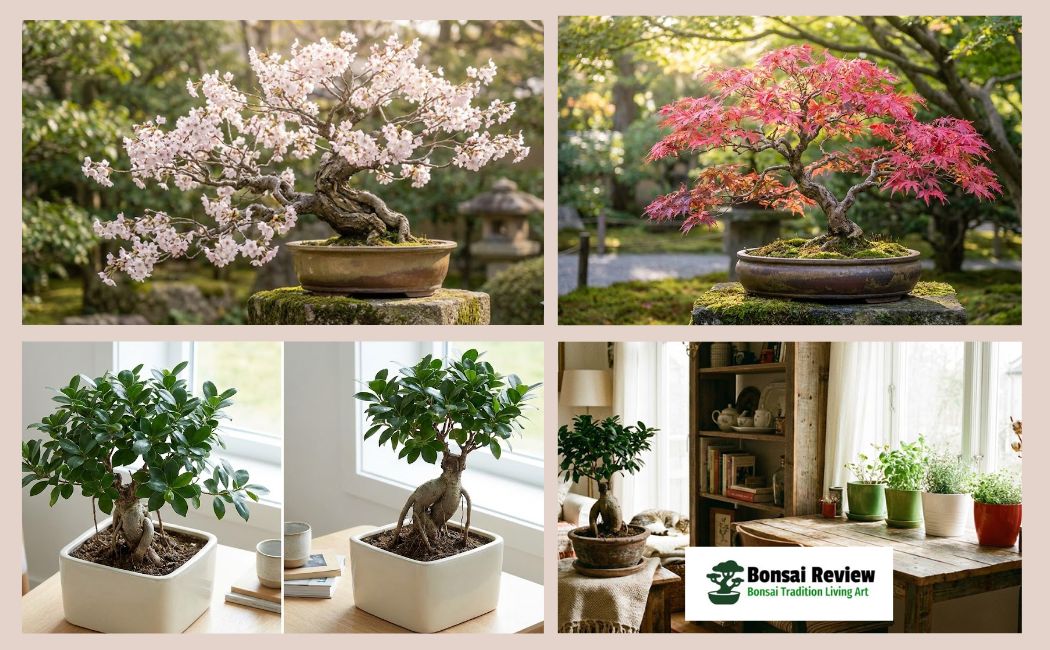
Which Rare Bonsai Should You Start With?
You see a bonsai as rare when it has something you cannot copy or replace. The first thing you look at is age. A rare bonsai tree that is 50, 100, or even 800 years old holds a long story inside its trunk.
The next thing is the species. Some trees, like Japanese white pine, Sargent juniper, Japanese maple, Ficus microcarpa, and Mountain pine, grow slowly and need careful handling, so they stay rare.
1. Juniper Starter Kit: Your Easy-Going First Tree.
You see the Juniper starter kit as your calm friend. It does not shout for help and grows slowly. It stays strong. You only give it light, a bit of water, and simple care. You feel safe because this tree forgives your small mistakes. If you forget one watering day, it still stays fine. Its tiny needles stay green, and its shape looks bold and brave.
The Juniper starter kit gives you soil, a pot, tools, and clear steps. You follow each step, and you watch your tree grow little by little. You learn control and also patience. You enjoy a tiny tree that is hard to kill, even when you are a new grower.
2. Ficus Starter Kit: Your Super Strong Indoor Buddy
You meet the Ficus starter kit, which feels like a brave helper in your room. You place it by a bright window, and it adjusts fast. Ficus does not cry for extra care. It does not drop leaves for small mistakes. You water it when the topsoil feels dry. You clip tiny branches when they stretch too long. And you see it bounce back every time.
This kit comes with fresh soil, a simple pot, easy tools, and a step-by-step book you can follow without fear. You feel proud because this tree grows well indoors, even when your room’s light and humidity change. It stays alive, stays green, and gives you soft confidence to try more bonsai in the future.
3. Carmona Starter Kit (Your Calm, Flower-Soft Tree)
You meet the Carmona starter kit when you want a dwarf tree that feels gentle. Carmona grows tiny white flowers that make your room look sweet and warm. You place it in bright light, but not direct sun, and it thanks you with soft blooms.
Water lightly, just enough to keep the soil moist. You trim small shoots to keep their round shape. The kit gives you simple tools, rich soil, a cute pot, and a short guide you can follow step by step.
You feel happy because this tree stays calm even when you are still learning. It grows slowly, stays neat, and makes your space feel peaceful.
Why These Starter Kits Are Perfect for Beginners?
You may worry that bonsai are too hard, but these kits make it easy. Juniper, Ficus, and Carmona kits give you everything you need: soil, pots, tools, and clear instructions. You do not need fancy skills or years of practice.
These trees grow slowly, forgive small mistakes, and show results quickly. You learn to water, prune, and shape without stress. You see green leaves, tiny flowers, or strong needles, and you feel proud of your progress.
With these starter kits, you get a calm, simple path into the world of bonsai. You build patience, care skills, and confidence so that one day you can try more rare bonsai like Sargent Juniper, Japanese White Pine, or Japanese Maple.
They are perfect because they make you feel capable, even as a beginner, while giving you a living piece of art to enjoy every day.
How to Care for Your Beginner Bonsai?
Once you have your Juniper, Ficus, or Carmona, simple care keeps it healthy and happy. First, place your tree where it gets bright light, but avoid strong direct sun for long hours.
Next, water carefully. Check the soil if it feels dry on top, give a little water. Too much can hurt the roots, too little will dry the leaves.
Then, trim and prune gently. Remove small branches that grow out of shape. This keeps your tree neat and encourages healthy growth.
Use the provided soil, pots, and tools from your starter kit. If your bonsai is in a Zone 10 or indoor space, make sure the temperature stays steady, and the air isn’t too dry.
With these steps, your bonsai grows slowly, stays green, and shows tiny flowers or strong needles. You enjoy a healthy tree while learning the skills needed for more rare bonsai trees, like Cherry Bonsai, Japanese Maple, or Sargent Juniper, in the future.
Where to Find Your First Bonsai Tree?
You might wonder where to get a rare bonsai tree or even a beginner-friendly kit. Start with trusted sources that give healthy trees and clear guidance.
- Local bonsai nurseries: You can see the trees in person, check their roots, leaves, and pots.
- Online bonsai shops: Look for kits that include soil, pots, tools, and step guides. Some even offer rare bonsai trees for sale, like Juniper, Ficus, Japanese Maple, or Cherry Blossom bonsai.
- Specialty bonsai growers: They offer strong, well-shaped trees and sometimes Yamadori (wild-collected) bonsai.
When you buy a rare bonsai tree, check:
- Tree species and age
- Pot quality (pots & planters)
- Soil type
- Instructions or care guide included
By choosing the right place, you can get your first bonsai safely and start growing it into a beautiful, healthy tree without worry.
Value of Rare Bonsai Trees: Why Are Some Bonsai Trees Worth Millions?
You may wonder why some bonsai cost so much. A rare bonsai tree is special because it combines age, beauty, and artistry.
Here’s the understanding of the value of rare bonsai trees:
| Factor | What It Means | Example / Entity |
| Age | Older trees are rare and take centuries to grow | 800-year-old Japanese White Pine, 1000-year-old bonsai |
| Species | Some types are slow-growing or hard to shape | Juniper, Japanese Maple, Ficus microcarpa, Mountain Pine |
| Artistry | Trees shaped by masters are considered living art | Masahiko Kimura bonsai, Sargent Juniper in Omiya |
| Unique Features | Special roots, bark, trunk shape, or flowers add rarity | Strong nebari, old bark, pink/white/green leaves, flowering Cherry bonsai |
| Market Value | High value comes from age, rarity, and artistry | $1.3 million White Pine, 2-million-dollar Sargent Juniper, top 10 most expensive bonsai trees |
How to Choose the Right Rare Bonsai Tree for You?
When you are ready to pick a rare bonsai tree, you want one that fits your space, skill, and style. Start by asking yourself what matters most:
- Shape and style: Do you want a strong, bold look like a Juniper, or a soft, flowering style like Carmona or Cherry Blossom bonsai?
- Color: Do you prefer deep green needles, bright pink leaves, white blooms, or dark bark?
- Indoor or outdoor: Trees like Ficus microcarpa grow well indoors, while Japanese Maple or Pine prefer outdoor light.
- Ease of care: Beginners often choose forgiving species like Juniper or Ficus, which tolerate small mistakes.
- Age and rarity: Older trees like Sargent Juniper or Japanese White Pine are beautiful but need careful handling.
By thinking about these factors, you can match a rare bonsai to your home, your patience level, and your style. This way, your tree becomes a living art piece that fits your life, not just a plant you have to worry about.
Simple Care Tips for Your Rare Bonsai Tree
Once you have your rare bonsai tree, keeping it healthy is easy if you follow a few simple rules.
1. Light: Place your tree where it gets bright, indirect sunlight. Some species, like Juniper and Pine, do well outdoors, while Ficus microcarpa or Carmona are happy indoors.
2. Watering: Check the soil every day. Water when the top layer feels dry. Too much water can harm the roots, too little will dry the leaves.
3. Pruning: Trim branches gently to keep the tree’s shape. Remove dead leaves or shoots. This helps trees like Cherry blossom bonsai or Japanese Maple stay neat and strong.
4. Soil & Pot: Use well-draining bonsai soil, and the pot provided in your kit, or purchase a quality bonsai pot.
5. Temperature & Zone: Make sure your tree matches your climate. For example, Zone 10 rare bonsai trees do well in warm spaces.
6. Observe Your Tree: Watch the leaves, branches, and flowers. Healthy trees have bright colors and strong roots (nebari).
With these steps, your bonsai grows slowly, stays green, and shows its unique beauty. Over time, you will learn more care techniques and may even handle rarer species like Sargent Juniper or Japanese White Pine.
Where to Buy Rare Bonsai Trees Safely
If you want a rare bonsai tree that is real and healthy, choosing the right place to buy is important. You have a few options:
- Local Bonsai Nurseries: You can see the tree in person, check its roots, leaves, and pot. Nurseries often sell beginner-friendly trees like Juniper, Ficus, or Carmona, and sometimes rare ones like Japanese Maple or Cherry Blossom bonsai.
- Online Bonsai Shops: Look for stores that include soil, pots, tools, and care guides. Some even list rare bonsai trees for sale, unique bonsai trees for sale, or 100-year-old bonsai tree prices.
- Specialty Bonsai Growers: These sellers often offer Yamadori (wild-collected) bonsai, older specimens, and trees shaped by master artists.
Tips when buying: Rare Bonsai Tree Indoor or Outdoor Plants
- Check the species and age of the tree.
- Make sure the pot and soil are suitable.
- Look for a care guide to help you maintain your bonsai.
By choosing trusted sources, you can safely start with a tree that grows well and becomes a beautiful, rare piece of living art in your home.
Conclusion: How Old Does a Bonsai Tree Have to Be to Be Rare?
Bring home your exclusive bonsai, a tiny indoor tree. Understand what makes a rare bonsai tree special and its age, species, artistry, and unique features.
You know about Juniper, Japanese Maple, Ficus, Cherry Blossom bonsai, and Pine, and why some trees sell for millions, like the Sargent Juniper or Japanese White Pine.
You also know how to choose the right tree, care for it, and buy safely from trusted nurseries or online shops. By paying attention to nebari, bark, leaves, color, and soil, you can pick a tree that fits your home, skill, and style.
A rare bonsai is more than a living plant of art. With patience and care, your tree will grow slowly, stay healthy, and bring beauty, peace, and meaning to your space for years to come.
Your journey starts now: pick your first bonsai, care for it gently, and enjoy a piece of history and artistry in your own home.
Helpful article: Which Premium Bonsai Tree Is Perfect for Your Home?
FAQs About Rare Bonsai Trees.
1. What is the rarest bonsai tree?
The Sargent Juniper in Omiya, Japan, is considered the rarest. Some specimens are over 1,000 years old and valued at millions.
2. Which bonsai sold for $2 million?
A Sargent Juniper bonsai from Omiya sold for around $2 million due to its age, shape, and masterful care
3. Which bonsai is the most expensive?
Some Japanese White Pine trees and Sargent Junipers are the most expensive. Prices can range from $1.3 million to $2 million, depending on age and rarity.
4. What is the oldest bonsai tree?
The oldest known bonsai trees are over 1,000 years old, often Juniper or Pine species, cared for over generations in Japan.
5. Can beginners grow rare bonsai trees?
Yes, with guidance. Start with forgiving species like Juniper, Ficus, or Carmona, then gradually try rarer species as you gain skill.
6. What is the rule of 3 in bonsai?
It’s a design principle: a bonsai should have 3 main branches arranged in a triangular composition, making the tree look balanced and natural.
7. Why are some bonsai so expensive?
Age, species rarity, masterful shaping, and unique features like nebari or blossoms make a tree valuable. Older trees shaped by masters can sell for millions.