


Bonsai Tree Spiritual Meaning: A dwarf trees hold deep spiritual and symbolic meaning, often representing harmony, peace, balance, and positivity. The traditional living art of bonsai trees symbolizes peace, harmony, balance, and luck.
Universal of nature given as gifts to represent friendship, loyalty, love, and respect. Bonsai also has roots in Chinese Penjing and even 12th-century Indian bonsai traditions.
Bonsai is a traditional form of living art that originates from Zen Buddhism, Shinto beliefs, and the Japanese concepts of wabi-sabi and mono no aware, the appreciation of beauty in imperfection and change.
The practice of bonsai cultivates qualities like patience, mindfulness, and a spiritual connection to nature. They can also represent strength, resilience, wisdom, and new beginnings, depending on the species and style.
That is about more than growing a dwarf tree. The ancient symbol of patience, balance, and inner peace, and each style tells a story like;
- A Formal Upright (Chokkan) pine shows dignity and long life,
- Slanting (Shakan) juniper stands for strength in hard times,
- Chinese elm brings harmony and intuition.
- Even the way you display it in a tokonoma alcove or the east for good Feng Shui adds meaning.
- Caring for bonsai teaches patience, perseverance, and mindfulness,
Turning a simple plant into a Tree of Life that connects you to nature, your spirit, and even the people who came before you.
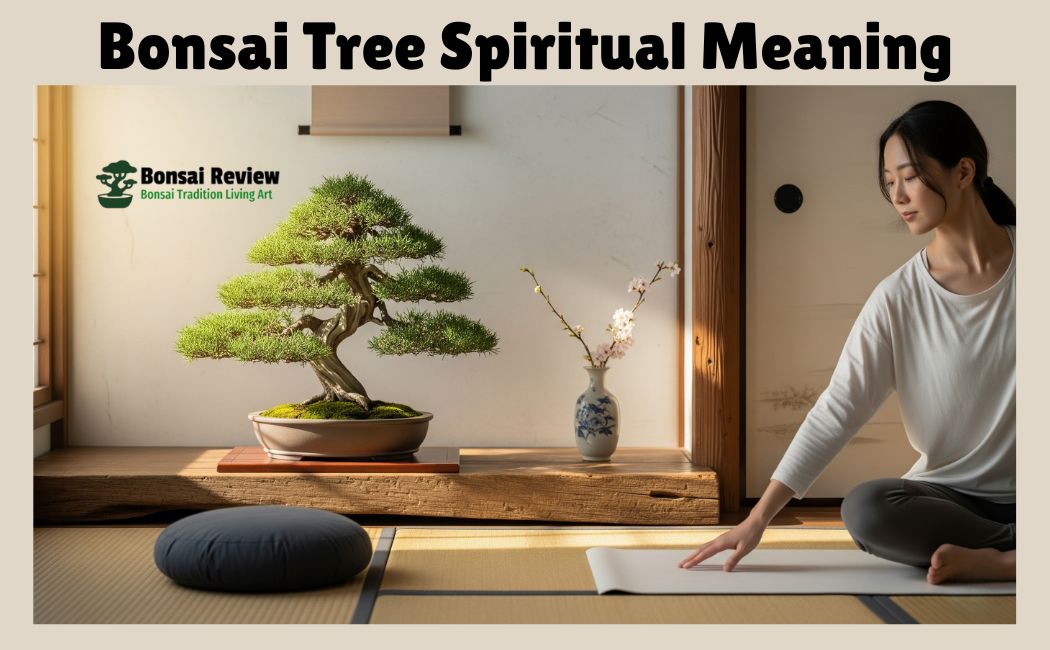
What is the Bonsai Tree Spiritual Meaning?
The Bonsai Tree Spiritual Meaning is a deeper message and life lessons these miniature trees carry. Many ancient cultures and spiritual practices, particularly Zen Buddhism, associate bonsai with mindfulness, meditation, and finding peace in the present moment.
It comes from ancient traditions in Japan, China, and India, where bonsai was more than decoration. It was a way to connect with nature, practice mindfulness, and reflect on life’s journey.
For many, a bonsai is a Tree of Life, a living, growing symbol that teaches patience, perseverance, and mindfulness, helping you slow down, breathe, and feel more connected to yourself and the natural world.
How Can a Bonsai Tree Bring Harmony and Mindfulness Into Your Life?
Bonsai Tree Spiritual Meaning of the beauty and tiny sculpted plant. It can be a symbol for finding peace, patience, and balance in your own life.
If you’ve been feeling rushed, stressed, or disconnected from nature, the quiet presence of a bonsai offers a way back to calm.
Rooted in Zen Buddhism and the Japanese philosophy of wabi-sabi, this living art form teaches you to slow down, notice small details, and embrace the beauty in imperfection.
Every branch, curve, and leaf tells a story, if it’s the strength of a pine symbolizing longevity, the renewal of a cherry blossom, or the resilience of a slanting juniper. So, practice the spiritual meaning behind bonsai and choose one that reflects your journey. You create not just decoration, but a living reminder of harmony between yourself, nature, and time.
How Does a Bonsai Teach Harmony and Balance?
Do you feel stressed, overwhelmed, or disconnected from nature? A bonsai tree can help you find calm and focus. Its carefully shaped branches and leaves reflect nature’s balance, reminding you to slow down and pay attention to the present moment.
For example, a formal upright (Chokkan) pine shows stability and strength. Looking at it daily or gently pruning its branches encourages patience and mindfulness, small actions that translate into better emotional balance in your life.
How Can Bonsai Care Improve Your Daily Life?
Caring for a bonsai is more than watering or pruning, and it’s a meditative practice. By spending a few minutes each day observing your bonsai, you practice mindfulness and self-awareness, reducing stress and improving focus.
For instance, if your mind races during a busy workday, take a break and gently shape your slanting (Shakan) juniper. Its resilience can inspire you to handle challenges calmly, showing that patience in caring for the tree reflects patience in your own life.
Can Bonsai Placement Create Positive Energy at Home?
Yes, placing a bonsai thoughtfully can improve the harmony of your space. Aligning it with Feng Shui principles like placing a Chinese elm in the east to invite good luck and harmony transforms it from decoration into a source of positive energy.
Even simple placement on a tokonoma shelf or near a sunny window creates a peaceful corner, turning your home into a calm, balanced environment that supports your emotional well-being.
How Does Caring for a Bonsai Teach Patience and Perseverance?
Do you struggle with rushing through tasks or giving up too soon? Bonsai care shows that good things take time. Each tree grows slowly, requiring regular attention, pruning, and shaping. This process teaches patience, helping you appreciate small progress rather than seeking instant results.
Why Does Long-Term Commitment Matter?
Bonsais aren’t built overnight. A ficus may take months to develop a fuller canopy, while a juniper could need years to achieve its ideal form.
By sticking with these long-term goals, you learn perseverance, a skill that can carry over into work, studies, or personal projects.
Example: If you prune a Chinese elm incorrectly, it doesn’t die immediately, but it takes time to recover. This slow recovery teaches careful planning, consistency, and learning from mistakes as life lessons that extend beyond the tree.
How Can Bonsai Help Reduce Frustration?
When you feel frustrated or impatient, turning to your bonsai encourages mindful engagement. Instead of focusing on what’s unfinished in your day, you concentrate on a single branch or leaf. This practice reduces stress and builds mental resilience, showing that patience is not just about waiting, but it’s about intentional, calm action.
Practical Tip for Bonsai Tree Spiritual Meaning As a Beginner’s Bonsai Lover
Start with a forgiving species, like a ficus or juniper, and dedicate 5–10 minutes daily to observe and prune. Keep a small journal to track growth. Over weeks and months, you’ll notice not just the tree growing, but your patience and focus improving a tangible solution to everyday stress.
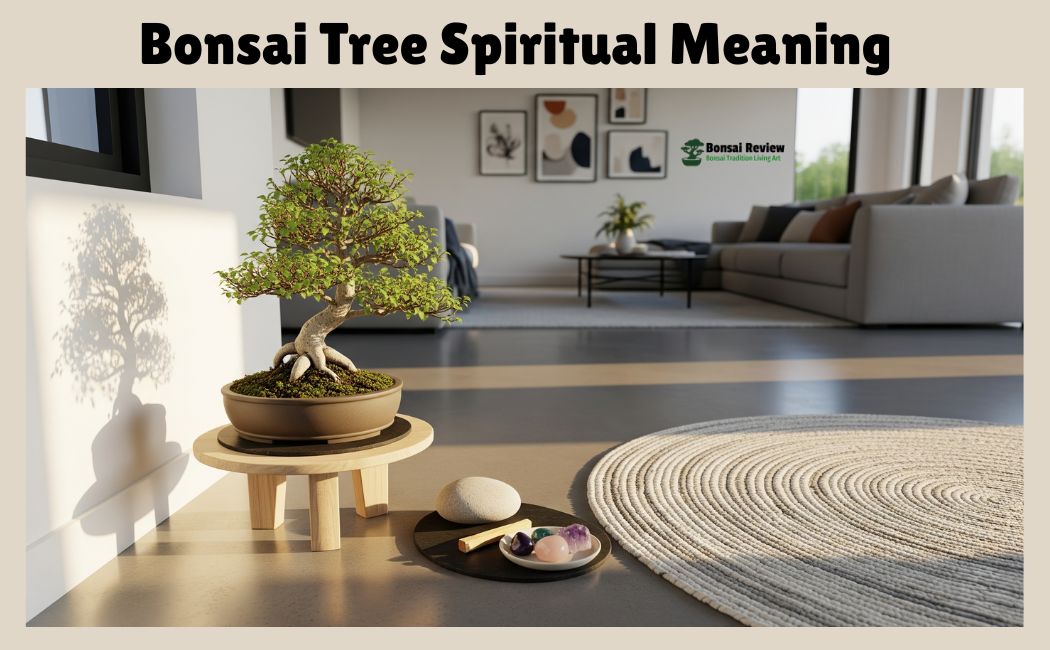
How Does Caring for a Bonsai Teach Patience and Perseverance?
Caring for a bonsai is a slow, deliberate process that teaches patience and perseverance. Here’s a practical look at examples, benefits, and challenges of this practice:
| Example | Benefits / Advantages | Disadvantages / Challenges |
| Pruning a Ficus daily | Builds patience, improves attention to detail, and reduces stress | It can feel tedious for beginners, requires consistent care |
| Shaping a Juniper over months | Teaches perseverance, long-term planning, and satisfaction from progress | Slow results can feel discouraging if expecting quick changes |
| Correcting mistakes on a Chinese Elm | Encourages learning from errors, improves problem-solving skills | Mistakes may take time to recover, and may frustrate impatient caretakers |
| Daily observation of growth | Increases mindfulness, strengthens emotional resilience | Requires daily commitment; skipping days can feel like failure |
| Waiting for branches to develop naturally | Develops an appreciation for natural timing, connects you with life cycles | Progress is slow; it can be hard to stay motivated without visible change |
Takeaway: Bonsai Tree Spiritual Meaning.
By understanding the benefits and being aware of challenges, beginners can approach bonsai care with realistic expectations. Over time, the patient nurturing of a bonsai becomes a solution to stress, impulsiveness, and lack of focus, turning a small tree into a tool for personal growth.
How Can Bonsai Help You Practice Mindfulness and Meditation?
Do you feel distracted, stressed, or unable to focus? Bonsai care can guide you into mindful living, turning simple tasks into moments of meditation. Observing and tending a bonsai draws your attention to the present, helping you slow down and notice the small details of life.
Examples, Benefits, and Challenges of Mindfulness Through Bonsai
| Example | Benefits / Advantages | Disadvantages / Challenges |
| Observing leaves and branches for 5–10 minutes | Improves focus, reduces anxiety, strengthens connection to nature | May feel slow or boring to some beginners |
| Pruning while focusing on breath | Teaches mindful breathing, enhances patience, and encourages calm | Requires concentration; easy to lose focus initially |
| Arranging bonsai in a display (tokonoma or shelf) | Promotes creativity, appreciation of aesthetics, aligns with Feng Shui | It can be challenging to balance aesthetics with practical space |
| Watering with intention | Builds a meditative routine, cultivates gratitude, and care | May seem mundane; skipping days reduces mindfulness benefit |
| Daily journaling of bonsai growth and thoughts | Enhances self-awareness, reflection, and emotional clarity | Requires commitment; may feel like extra work to beginners |
Practical Tip for Bonsai Tree Spiritual Meaning.
Start with 5–10 minutes each day, focusing on a single bonsai. Watch the leaves, feel the soil, notice subtle changes.
Over time, this mindful habit not only helps the tree grow healthier but also improves your mental clarity, patience, and emotional resilience, turning a small hobby into a daily meditation practice.
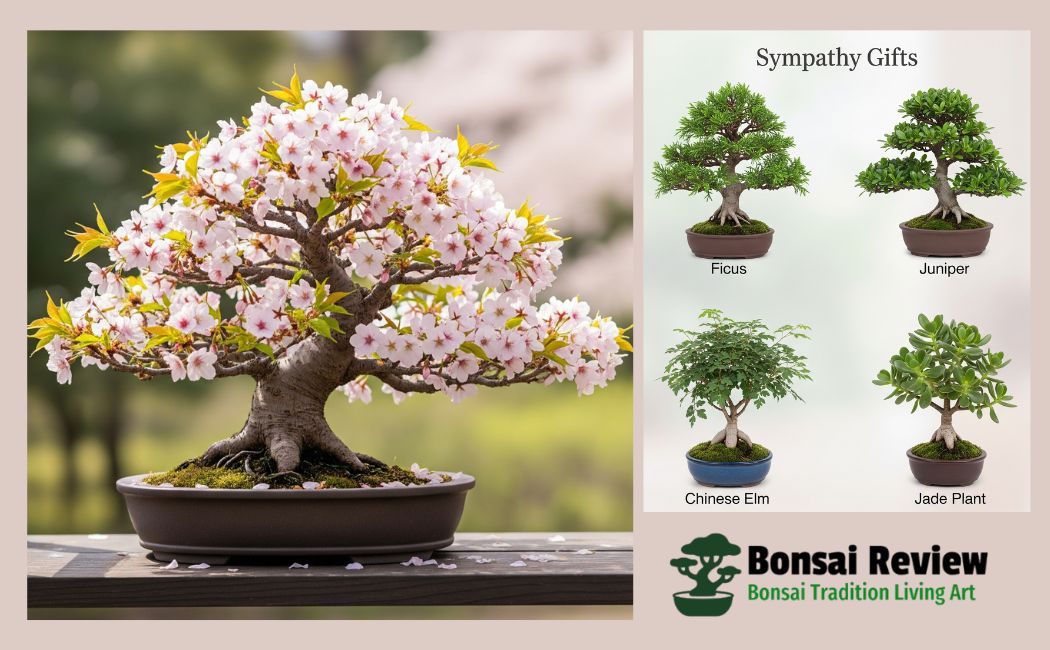
Which Bonsai Species Colors Symbolize Love, Protection, & Inner Peace?
Choosing a species of dwarf plant colors and styles that align with your intentions can improve spiritual impact. It is deep-rooted, often symbolizing harmony, balance, and the interconnectedness of nature and humanity. Many people feel stressed, rushed, or cut off from nature. A bonsai can help fix that.
Each curve of its trunk and every leaf it grows can reflect your journey, reminding you that growth takes time and that beauty often comes from resilience. Spirituality embodies patience, resilience, and the beauty of simplicity, reflecting the meticulous care and attention required to cultivate these qualities.
| What are Symbolized Matters? | Bonsai Tree Spiritual Meaning Symbolized Details |
| Terms of Love Symbols of Bonsai Tree Spiritual Meaning | A bonsai tree can represent love, deep connection, and emotional growth. Certain species, like Ficus, are linked to harmony and long-lasting relationships. Gifting or caring for a bonsai together can strengthen a bond and serve as a living reminder of affection. |
| White Bonsai Tree Spiritual Meaning | A white bonsai, often flowering or pale-leafed, symbolizes purity, peace, and spiritual clarity. It invites calmness into your space, supports meditation, and helps create a balanced, positive atmosphere. |
| Red Bonsai Tree Spiritual Meaning | Red bonsai trees symbolize passion, vitality, and energy. They inspire motivation, creativity, and courage, reminding you to live with enthusiasm while maintaining mindful focus. |
| Green Bonsai Tree Spiritual Meaning | Green bonsai trees stand for growth, renewal, and harmony with nature. They encourage patience, emotional balance, and a deeper connection to life’s natural cycles, making them perfect for stress relief. |
| Blue Bonsai Tree Spiritual Meaning | Blue bonsai trees, if natural, dyed, or represented in art, symbolize calmness, intuition, and spiritual wisdom. They promote emotional healing and peaceful energy in meditation areas or quiet corners. |
| A Feng Shui Bonsai Tree Spiritual Meaning | In Feng Shui, bonsai trees represent balance, prosperity, and positive energy flow. Placing them in the east or southeast area of your home can attract health, abundance, and family harmony. Popular Feng Shui choices include Chinese Elm and Juniper. |
| A Tattoo Style and Color of Bonsai Tree Spiritual Meaning | A bonsai tattoo symbolizes patience, resilience, and mindful living. It often reflects personal growth and the balance between strength and beauty. Different bonsai styles or species can add unique layers of meaning to the design. |
How Does a Bonsai Deepen Your Connection to Nature?
When life pulls you indoors and away from fresh air, a bonsai becomes your bridge to the natural world. This living art form lets you keep a piece of nature close, even in a small apartment or busy office.
Every branch reflects seasonal changes, every leaf reminds you of life’s cycles, and every root quietly teaches resilience.
Caring for a bonsai isn’t just about watering or pruning, but it’s about listening to nature’s pace. You’ll notice how the soil smells after watering, how the leaves stretch toward sunlight, and how a single bud signals growth.
This awareness shifts your mindset from rushing to living in harmony with natural rhythms, something Zen Buddhism and wabi-sabi philosophy have valued for centuries.
It’s a Juniper bonsai symbolizing protection, a Ficus representing love and fertility, or a Chinese Elm standing for harmony and intuition. The tree you choose becomes a living reminder of your values.
Over time, it feels less like décor and more like a companion in your journey toward mindfulness, balance, and inner peace.
What Spiritual Lessons Can Bonsai Teach You?
Bonsai are more than miniature trees, and they are living symbols of spiritual reflection. If you’re seeking a sense of purpose or inner calm, bonsai can guide you.
In Zen Buddhism, bonsai are used as objects of contemplation, teaching you to slow down, appreciate simplicity, and see the essence of nature in miniature form.
Different styles and species carry unique meanings. A formal upright (Chokkan) pine represents dignity and perseverance, while a slanting (Shakan) juniper reminds you of resilience during life’s challenges.
Species like Ficus symbolize love and fertility, Juniper brings protection and strength, and a Cherry Blossom bonsai celebrates renewal and the beauty of impermanence.
By observing and tending your bonsai, you practice mindfulness, patience, and gratitude. It becomes a personal spiritual companion, helping you reflect on life’s cycles, your growth, and your connection to the world around you.
This daily interaction turns a simple hobby into a practical tool for inner peace and spiritual growth.
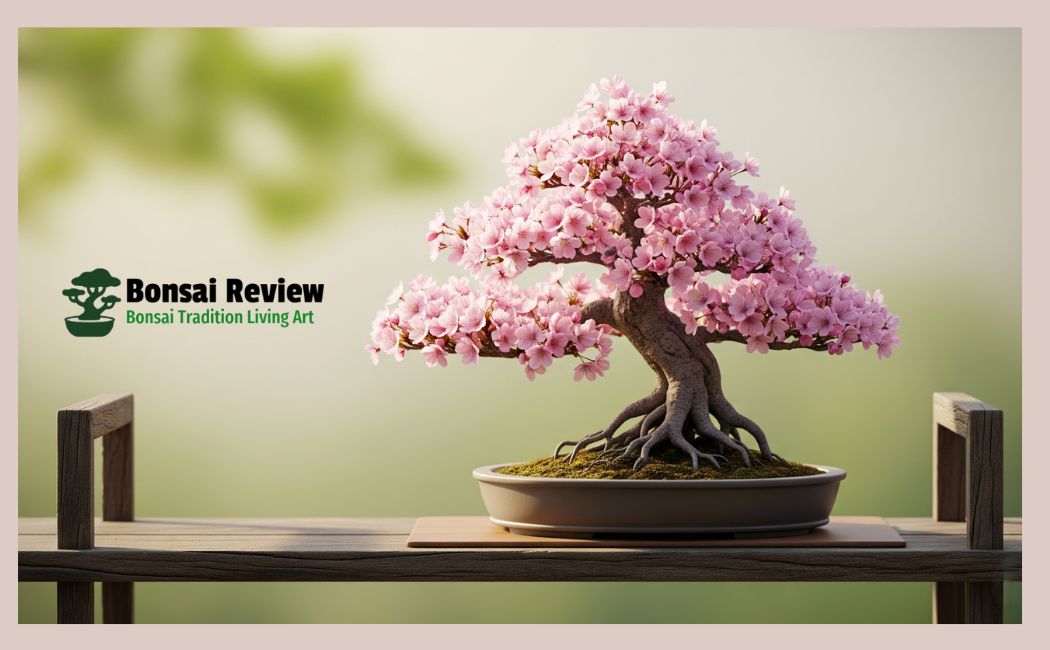
What Do Different Bonsai Styles and Shapes Symbolize?
Each bonsai style tells a story, reflecting life lessons and personal growth. If you’re a beginner, understanding these meanings can help you choose a tree that resonates with your journey.
Bonsai styles are more than artistic choices, and they are symbolic guides for mindfulness, resilience, and harmony.
Examples of Styles and Bonsai Tree Spiritual Meaning:
- Formal Upright (Chokkan): Represents dignity, stability, and strength. Perfect for those seeking structure and focus in life.
- Informal Upright (Moyogi): Symbolizes natural grace and adaptability, teaching you to navigate life’s unpredictability.
- Slanting (Shakan): Shows perseverance and resilience through challenges.
- Cascade (Kengai): Encourages flexibility and overcoming hardships gracefully.
- Semi-Cascade (Han-Kengai): Balances control with freedom, reflecting life’s dualities.
- Broom Style (Hokidachi): Promotes clarity, harmony, and focus.
- Forest Style (Yose-ue): Represents community, interconnectedness, and support.
- Literati Style (Bunjin-gi): Symbolizes independence, creativity, and artistic expression.
By choosing a bonsai style that resonates with your current life situation, you can turn your tree into a daily visual reminder of the qualities you wish to cultivate.
How Can Bonsai Improve Your Well-Being?
Bonsai care isn’t just about aesthetics or symbolism, and it also positively affects your mind and body. If you feel stressed, distracted, or disconnected, having a bonsai nearby can bring real benefits.
Benefits of bonsai for well-being: Bonsai Tree Spiritual Meaning.
- Calming effect: Watching your bonsai grow and shaping its branches encourages mindfulness and relaxation.
- Improved focus: Daily care, like pruning or watering, trains your attention and patience.
- Emotional resilience: Observing the tree’s slow growth teaches acceptance of life’s pace.
- Physical benefits: A bonsai brings a touch of nature indoors, improving air quality and grounding your environment.
- Positive energy: Placement following Feng Shui principles (e.g., east or southeast areas) can enhance harmony in your space.
Example: Taking just 5 minutes a day to observe a Juniper bonsai while focusing on your breath can reduce stress, improve clarity, and leave you feeling centered.
Challenges to Consider: Bonsai tree spiritual meaning
- Requires regular care, and skipping days can affect both the tree and your mindfulness routine.
- Beginners may feel frustrated with slow growth or mistakes in shaping.
By embracing these small daily practices, a bonsai becomes more than decoration, and it’s a practical tool for emotional balance, mental clarity, and spiritual connection, helping you handle life with calm and focus.
Why Is Bonsai Important in Culture and Tradition?
Bonsai trees are not just plants; they are living symbols of culture, art, and history. If you’ve ever wondered why people value them so deeply, it’s because bonsai carry centuries of spiritual, artistic, and social meaning.
Cultural Significance: Bonsai tree spiritual meaning
- Japanese Tradition: Bonsai is considered a fine art in Japan, with rules about shapes, styles, and presentation. It reflects respect for nature, simplicity, and mindfulness.
- Chinese Penjing: The precursor to bonsai, focusing on miniature landscapes, teaches harmony between humans and the universe.
- Indian Bonsai History: Dating back to the 12th century, bonsai in India represented spiritual reflection and connection to ancestors.
Examples: Bonsai Tree Spiritual Meaning
- Displaying a formal upright pine (Chokkan) during festivals symbolizes dignity and longevity.
- A forest style (Yose-ue) grouping reminds viewers of community and interconnectedness, often used in cultural exhibitions.
Benefits of Cultural Awareness:
- Enhances appreciation for bonsai beyond decoration.
- Strengthens connection to traditions and historical practices.
- Inspires personal reflection and spiritual growth.
Challenges: Bonsai tree spiritual meaning
- Beginners may feel overwhelmed by cultural rules and styles.
- Misunderstanding symbolism can reduce the full spiritual impact.
By learning the cultural and historical context, your bonsai becomes a living bridge between tradition, art, and personal well-being, making it meaningful in both your home and mind.
Conclusion: Why Are Bonsai Trees Considered a Living Symbol of the Tree of Life?
Bonsai tree spiritual meaning is more than a concept, and it’s a practical guide for living a balanced, mindful, and connected life.
From teaching patience and perseverance to encouraging mindfulness, meditation, and emotional resilience, bonsai offers lessons that go far beyond its miniature size.
Each bonsai species and style carries its symbolism: a Chinese elm represents harmony and intuition, a Ficus brings love and abundance, and a Juniper stands for protection and strength.
Bringing bonsai into your life with meaning, Styles like formal upright (Chokkan) or slanting (Shakan) guide you in embracing stability, grace, and resilience.
Caring for your bonsai daily connects you to nature, reduces stress, and creates a sense of calm in your home.
Displaying it thoughtfully, following Feng Shui or tokonoma principles, adds beauty and positive energy to your environment.
Beyond decoration, it becomes a Tree of Life, a living reminder of your growth, your values, and your connection to the world and those who came before you.
By understanding the spiritual, cultural, and practical aspects of bonsai, you can choose a tree that resonates with your life, helping you cultivate inner peace, mindfulness, and harmony every day.
More helpful article: The Bonsai Tree Meaning Spiritual Symbolism: Care, Growth, and Peace.
FAQs: Bonsai Tree Spiritual Meaning: How Does Bonsai Reflect Zen Buddhism, Wabi-Sabi, and Life Lessons?
1. What does a bonsai tree symbolize in Zen Buddhism?
A dwarf plant in a bonsai represents simplicity, harmony, and mindfulness in the Zen Buddhist tradition. It encourages meditation, patience, and a deep connection with nature. Styles such as formal upright (Chokkan) and slanting (Shakan) convey specific spiritual lessons about dignity, resilience, and balance.
2. How can a bonsai tree tattoo mean?
A bonsai tree tattoo represents patience, growth, and spiritual reflection. It can symbolize your personal journey, mindfulness, and connection with nature. Different styles and species add layers of meaning, such as strength (Juniper), love (Ficus), or resilience (Slanting/Chokkan bonsai style).
3. Can bonsai improve mental well-being?
Yes. Caring for a bonsai teaches patience, mindfulness, and focus, reducing stress and promoting emotional resilience. Daily observation, pruning, and watering create a meditative routine that benefits both mind and body.
4. How should I display my bonsai for spiritual or Feng Shui benefits?
Place your bonsai in a tokonoma alcove or a clean, visible space. For Feng Shui, placing it in the east or southeast encourages harmony, prosperity, and positive energy. Style, species, and placement together enhance its spiritual and aesthetic impact.
5. Is bonsai care suitable for beginners?
Yes. Beginner bonsai lovers can start with forgiving species like Ficus or Juniper, and simple styles like informal upright (Moyogi). Daily short sessions of pruning, observing growth, and watering are enough to experience spiritual and mental benefits.
6. What is the spiritual meaning of a red bonsai tree?
A bonsai tree can represent love, connection, and emotional growth. Species like Ficus symbolize love, fertility, and harmony in relationships. Caring for a bonsai together or gifting one can also strengthen emotional bonds and act as a living reminder of commitment and affection.
7. Is the spiritual meaning of a white bonsai tree?
A white bonsai, often flowering or with pale leaves, symbolizes purity, peace, and spiritual clarity. It encourages calmness and reflection, making it ideal for meditation spaces or areas where you want to promote serenity and mental balance.
8. What is the spiritual meaning of a green bonsai tree?
Green bonsai trees symbolize growth, renewal, and harmony with nature. They promote balance, patience, and a deep connection to life’s cycles. Observing a green bonsai daily can enhance mindfulness and reduce stress.
9. What is the spiritual meaning of a blue bonsai tree?
Blue bonsai trees, though rare or represented in artwork, symbolize calm, intuition, and spiritual insight. They encourage reflection, emotional healing, and peaceful energy, making them ideal for meditation or quiet corners in the home.
10. What does a bonsai tree mean in Feng Shui?
In Feng Shui, bonsai trees symbolize harmony, prosperity, and positive energy. Placing a bonsai in the east or southeast corner of your home can enhance health, abundance, and family relationships. Species like Chinese Elm or Juniper are commonly used to attract balance and protection.