


Zen and Bonsai Spiritual Connections: Every curve of the trunk, every leaf, and even the soil carries the spirit of wabi-sabi, the Zen idea that beauty lives in imperfection and that all things are transient.
Just like a Zen garden (karesansui) made of stones and sand, your bonsai shows you harmony in simplicity. You look at a bonsai tree, you might see just a small dwarf plant in a pot, but in reality.
It’s a traditional living art symbol of Zen spirituality. Each tiny tree, from a Ficus bonsai to a Juniper bonsai, carries lessons in mindfulness, balance, and patience.
In a bonsai garden or your own home, these mini bonsai creations connect you to nature and teach you the beauty of imperfection and impermanence, the core of wabi-sabi.
Bonsai is more than decoration. Each tree embodies tree symbolism, showing resilience, harmony, and growth. Its presence invites reflection, just like a Zen garden, guiding you to notice the small changes in leaves, branches, and soil.
Understanding bonsai meaning and tree meaning allows you to see your life mirrored in its form: slow growth, seasonal changes, and quiet strength.
Caring for bonsai plants is a daily practice in patience, awareness, and inner peace, turning every pruning, watering, or observation into a small act of meditation.
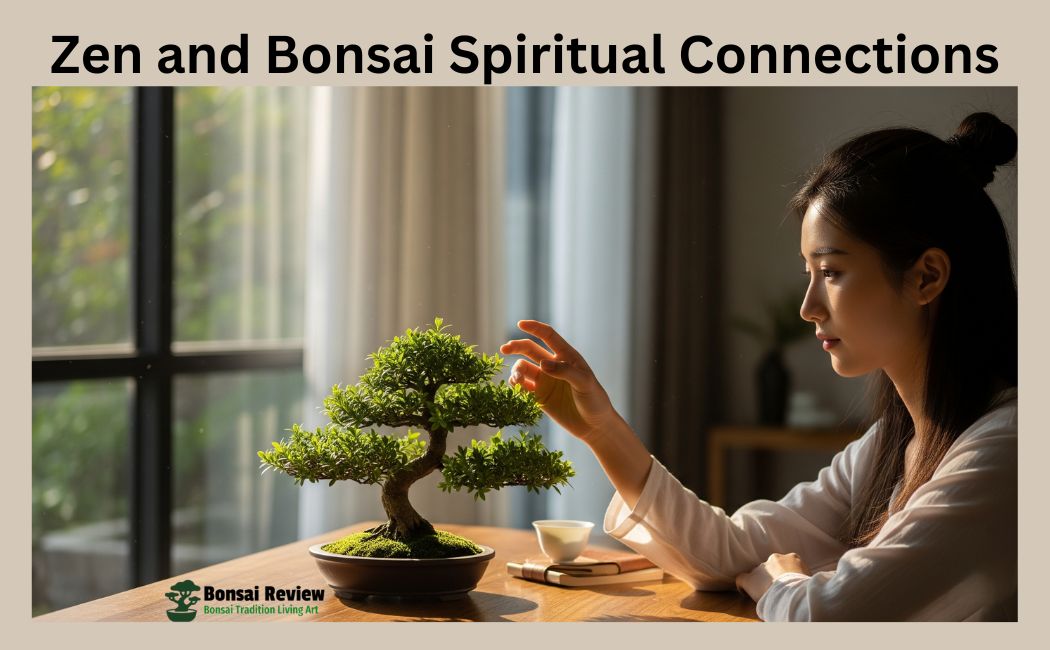
Why Bonsai Is More Than Just a Tree?
At first, bonsai may seem like a small version of a tree placed in a container. But its roots go much deeper. The art began in ancient China as penjing, where miniature landscapes symbolized harmony between people and nature.
When this practice reached Japan, it was transformed by Zen Buddhism into what we now call bonsai. Under Zen influence, the focus shifted from decoration to spiritual reflection, a way to train the mind in patience, simplicity, and awareness.
For Zen monks, a bonsai was not just a dwarf plant. It was a living tool to study impermanence and to practice mindfulness.
Each branch was shaped with care, reflecting the principle of wabi-sabi that beauty lives in what is simple, aged, and imperfect. In this way, the bonsai became more than art. It became a mirror of life itself, showing the endless balance between growth and stillness.
Just like a Zen garden (karesansui) made of rocks and raked sand, bonsai reflects the natural world in a form that brings peace and clarity.
Both are designed to help you pause, breathe, and see the beauty of life in its simplest form. That is why bonsai is not just a tree; it is a doorway into Zen.
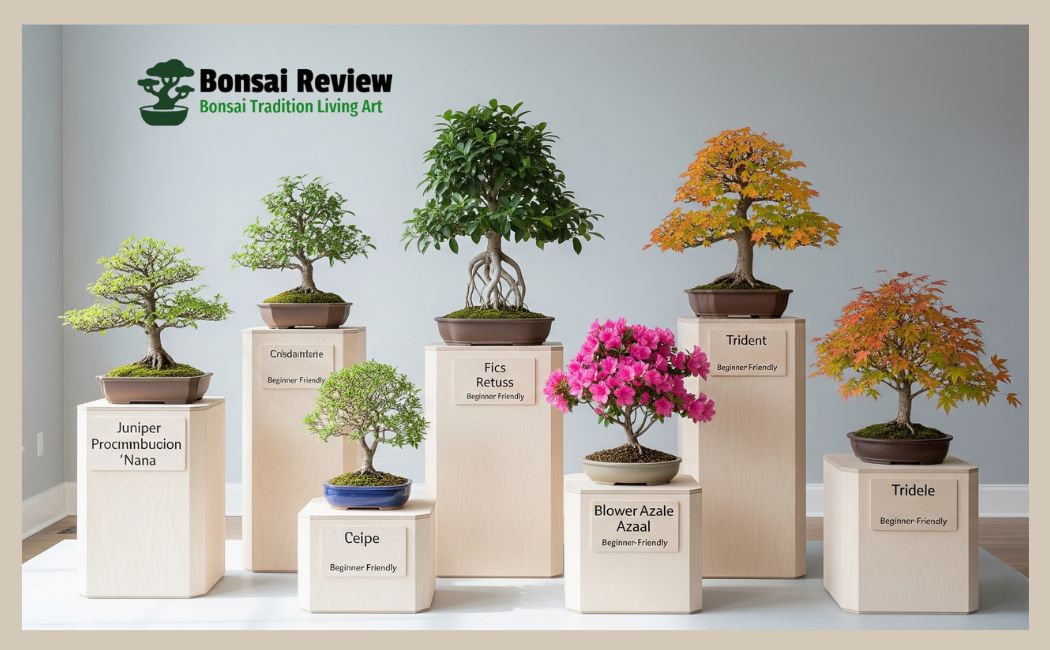
How Did Bonsai Originate and Become a Zen Practice?
Bonsai cultivation and Zen Buddhism share a strong spiritual connection, both emphasizing mindfulness, simplicity, and finding harmony with nature. The practice of bonsai, with its meticulous care and shaping, encourages patience, presence, and appreciation for the natural world, aligning with Zen’s focus on meditation and being in the present moment. Here’s a more detailed look at the connection:
1. Mindfulness and Meditation: Zen and Bonsai Spiritual Connections.
Both Zen and bonsai emphasize mindfulness. The act of tending to a bonsai tree, with its focus on detail and precision, mirrors the meditative practices of Zen, encouraging practitioners to be fully present in the moment.
Mindfulness and meditation are related practices, with mindfulness being a state of being present and aware, and meditation being a formal practice to cultivate that state.
Mindfulness is about paying attention to the present moment without judgment, while meditation is a tool to develop that awareness and focus, often involving specific techniques like breathing exercises or guided imagery
2. Simplicity and Harmony: Zen and Bonsai Spiritual Connections.
Zen philosophy values simplicity and harmony with nature. Bonsai, as a miniature representation of a natural landscape, embodies this principle by capturing the essence of a tree’s natural form in a confined space.
Zen Buddhism and bonsai cultivation share a deep spiritual connection rooted in principles of simplicity, harmony, and mindfulness.
Bonsai, with its meticulous shaping and pruning, reflects Zen’s emphasis on appreciating nature’s beauty and finding peace through contemplation and connection with the natural world.
The practice of bonsai can be a form of meditation, fostering patience, discipline, and a sense of oneness with the universe.
3. Appreciation of Impermanence: Zen and Bonsai Spiritual Connections.
Zen Buddhism acknowledges the transient nature of life. Bonsai, with its constant need for pruning and shaping, also reflects this concept, reminding us of the ever-changing aspects of life.
Zen Buddhism and bonsai cultivation share a deep spiritual connection, particularly through the concept of wabi-sabi, which emphasizes the beauty of imperfection and impermanence.
Bonsai, with its focus on miniature trees that age and evolve, embodies this philosophy, encouraging appreciation for the natural cycle of growth and decay.
This appreciation fosters mindfulness, meditation, and a sense of oneness with nature, mirroring Zen’s core principles.
4. Finding Peace in Nature: Ancient Zen and Bonsai Spiritual Connections.
Zen monks often sought enlightenment through nature retreats. Bonsai, with its connection to natural forms, provides a way to cultivate inner peace and tranquility by connecting with nature in a tangible way.
Finding peace in nature is a common aspiration, and numerous activities can facilitate this connection. Engaging with nature through walks, mindful observation, or simply spending time in green spaces can reduce stress and promote a sense of tranquility.
5. Spiritual Symbolism: Zen and Bonsai Spiritual Connections.
Spiritual symbolism encompasses a wide range of symbols, images, and objects that carry deeper meanings related to spirituality, belief systems, and the human experience. These symbols, often rooted in ancient traditions and wisdom teachings, offer guidance, inspiration, and a sense of connection to something larger than oneself.
Bonsai trees are sometimes seen as symbols of balance, harmony, and resilience, aligning with Zen’s emphasis on inner peace and the interconnectedness of all things.
6. Zen Gardens: What Is the Spiritual Meaning of Bonsai in Zen Buddhism?
Zen gardens, also known as Karesansui, are a unique style of Japanese garden emphasizing minimalism, tranquility, and contemplation.
They typically feature carefully arranged natural elements like rocks, gravel, sand, and moss, often with minimal or no plants and no water features.
These gardens are designed to facilitate meditation and mindfulness, promoting a sense of peace and harmony with nature.
Bonsai are often placed in Zen gardens, serving as focal points for meditation and contemplation.
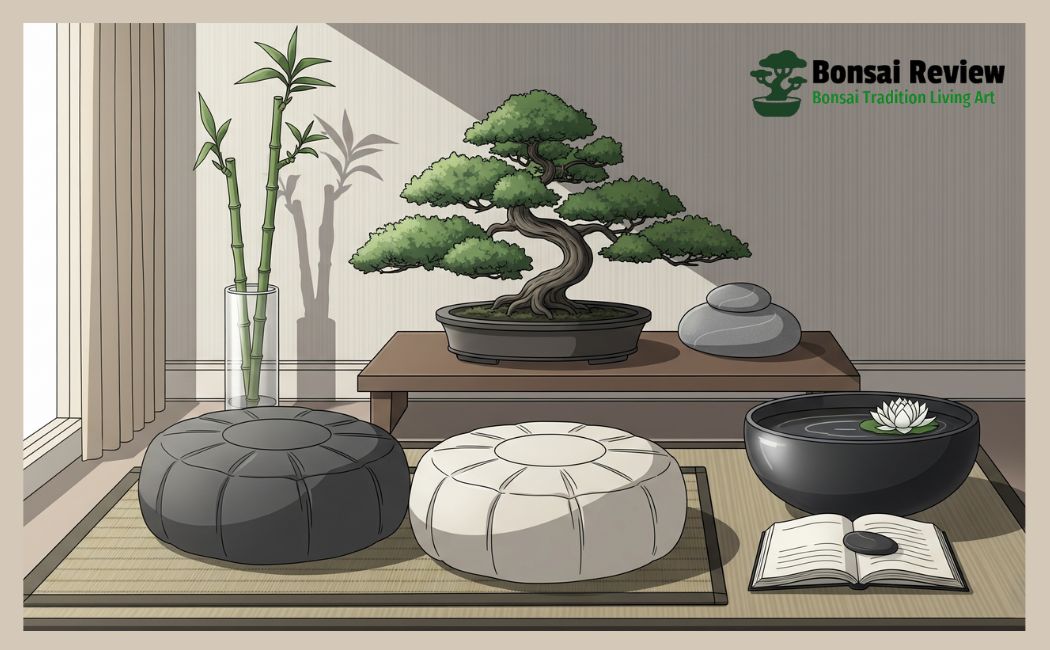
What Does Zen Teach Through Bonsai?
When you care for a bonsai, you are not only shaping a tree, you are learning lessons that come straight from Zen philosophy. The most important of these is wabi-sabi, the idea that real beauty is never perfect, and that time itself gives things their meaning.
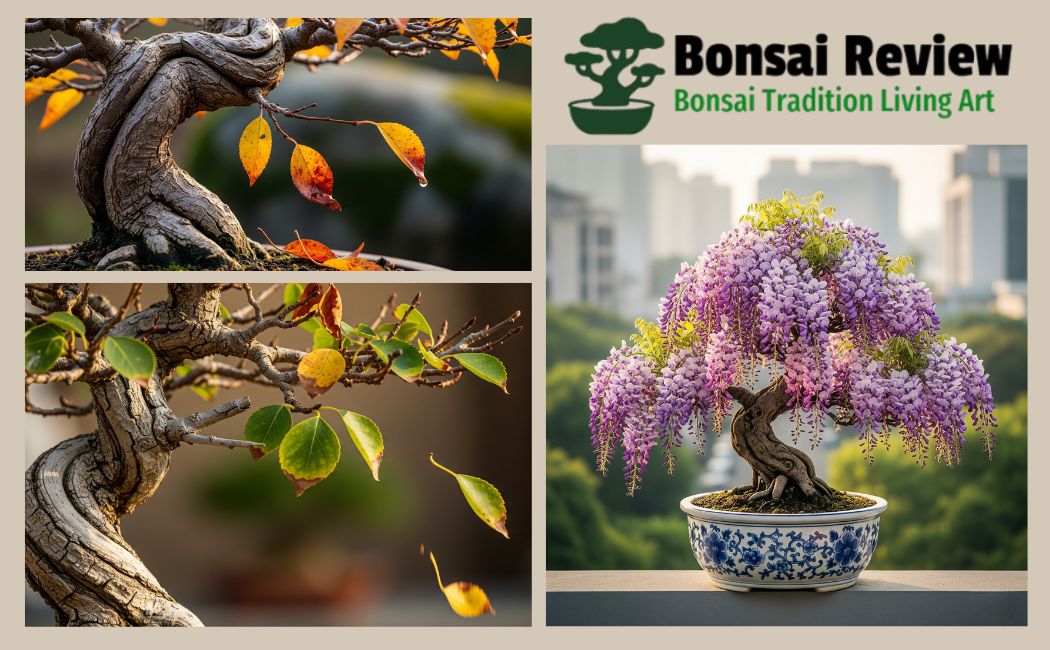
A cracked pot, a twisted branch, or fading autumn leaves are not flaws. They are reminders that life is always changing and that nothing stays the same forever.
Bonsai also teaches you the truth of impermanence. As the seasons shift, your tree grows new leaves, drops old ones, and slowly matures with age.
This cycle reflects your own life, reminding you to accept change with grace. In every stage of spring growth, summer strength, autumn color, and winter rest, you can see a mirror of your journey.
On a deeper level, bonsai becomes a symbol of spiritual values. Its roots stand for grounding and stability, while its branches reach upward like human hopes and dreams.
Its miniature form represents balance and harmony, showing you that greatness can live in small things. By practicing with bonsai, you carry these lessons into your daily life, living with more patience, humility, and peace.
How Bonsai Becomes a Tool for Mindfulness
When you sit with your bonsai, you are entering a quiet form of meditation. Every act of watering, pruning, or simply watching becomes a practice in mindfulness. You are not rushing, not thinking of yesterday or tomorrow.
You are only here, present with your tree. This is the same focus you find in zazen meditation, where you breathe, sit still, and let your thoughts settle like calm water.
Caring for bonsai trains you to slow down and notice small details, the new bud forming, the soil’s dryness, or the gentle bend of a branch.
These moments are simple, but they open your awareness. In that awareness, stress falls away, and a sense of peace and clarity takes its place.
This is why bonsai is more than a hobby. It is a daily practice that brings Zen into your hands. Each time you touch your bonsai, you are also touching your spirit, teaching yourself patience, presence, and balance. In this way, the tree becomes your guide, showing you how to live with calm and harmony.
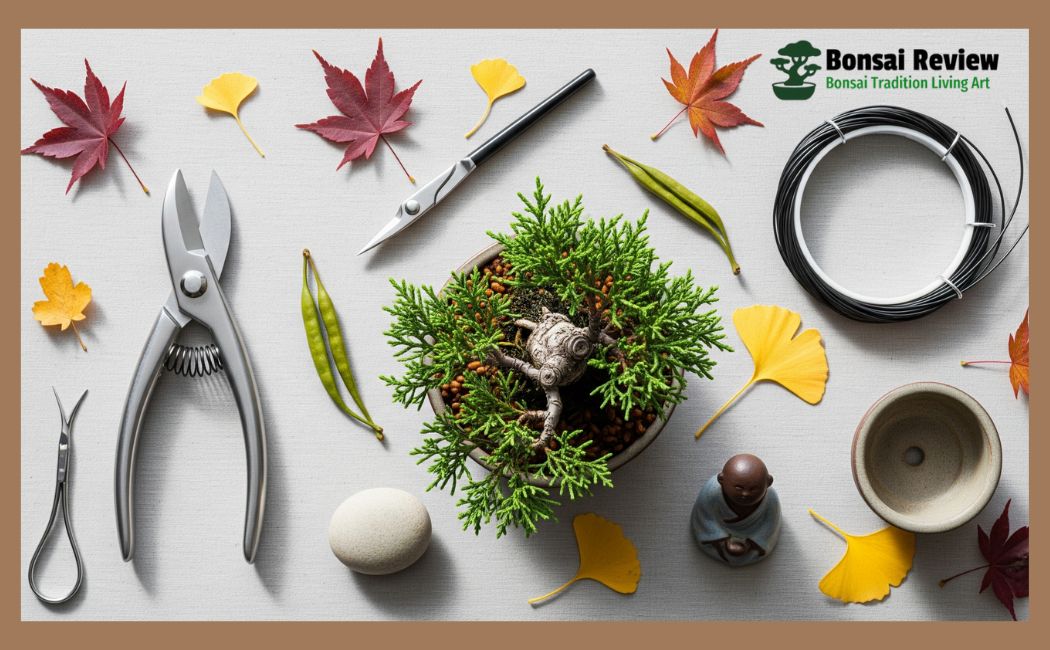
Why Is Bonsai Considered a Zen Principle & Aesthetic Techniques Shape Spirit?
In bonsai, a living teacher of every technique has a meaning that goes beyond shaping the tree. Each act carries a Zen teaching, turning simple care into a mindful ritual.
| Bonsai Technique | Zen Meaning / Spiritual Lesson |
| Pruning (cutting branches, leaves, or roots) | Letting go of ego, attachments, and what no longer serves you |
| Wiring (guiding branches into shape) | Life needs gentle guidance and patience & true strength bends, not breaks |
| Repotting (refreshing soil, trimming roots) | Renewal, fresh beginnings, and the courage to grow in new spaces |
| Choosing the Container | Balance and simplicity, and the vessel is as important as the tree, just like your body is the vessel for your spirit |
| Observing Seasonal Change | Embracing impermanence, spring growth, summer energy, autumn release, and winter rest all mirror life’s cycles |
Through these techniques, your bonsai becomes more than a plant, and it becomes your teacher of Zen. Every cut, every bend, and every pause is a lesson in patience, humility, and the art of balance.
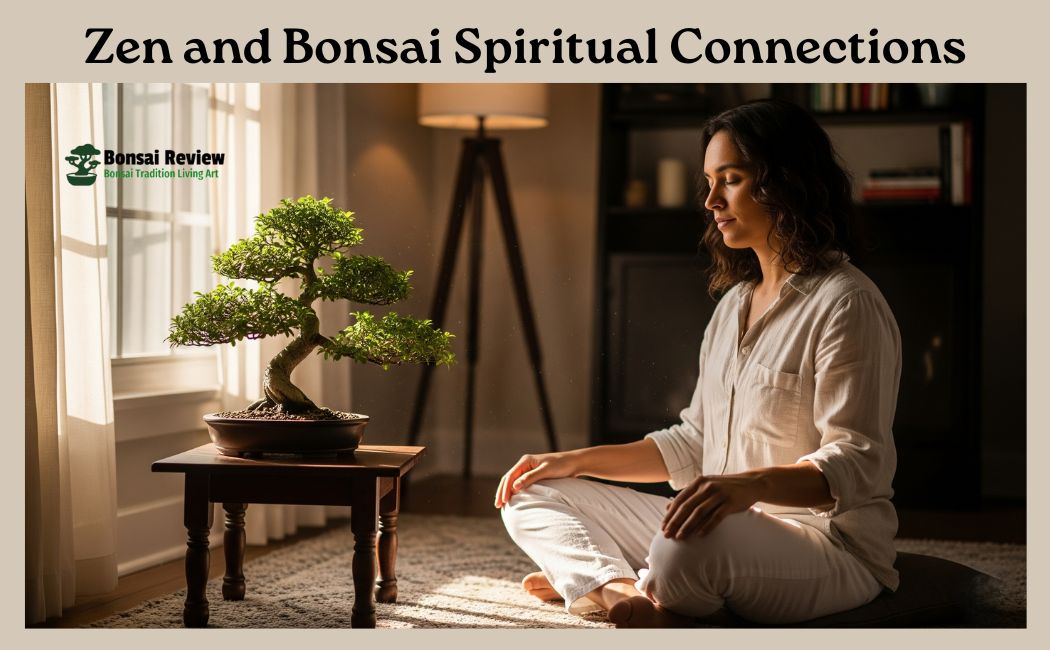
Can Bonsai Reduce Stress and Promote Emotional Healing?
The Healing Power of Bonsai is not only a spiritual practice but also a source of healing for your mind and emotions. The quiet rhythm of caring for a bonsai brings calm, focus, and balance into your daily life. Here’s how:
1. Stress Relief Through Daily Care
When you water your bonsai slowly, trim its leaves, or sit and observe, your mind shifts away from stress. Just like in zazen meditation, you anchor yourself in the present moment.
Example: after a busy day, spending 10 minutes with your bonsai can help lower your racing thoughts and bring a sense of peace.
2. Building Patience and Resilience
A bonsai doesn’t grow in a day. It teaches you to wait, watch, and accept slow progress. Each season brings change, new growth in spring, quiet rest in winter.
Example: when you see your bonsai lose leaves in autumn, instead of feeling loss, you learn to embrace impermanence and trust that renewal will come.
3. Emotional Healing and Balance
Caring for bonsai creates a bond that brings comfort, much like caring for a friend. Its roots symbolize stability, while its branches reaching upward symbolize hope. Example: during times of sadness, sitting with your bonsai and noticing small signs of life can remind you of your inner strength and resilience.
4. Therapeutic Practice for Mind and Spirit
Many people use bonsai as a form of horticultural therapy. The act of shaping, pruning, and nurturing helps reduce anxiety, improve focus, and bring a sense of control.
Example: hospitals and wellness centers sometimes use bonsai or gardening activities to help patients heal emotionally and mentally.
However, these healing practices, bonsai becomes more than an art of living, it becomes a living medicine for your mind and soul.
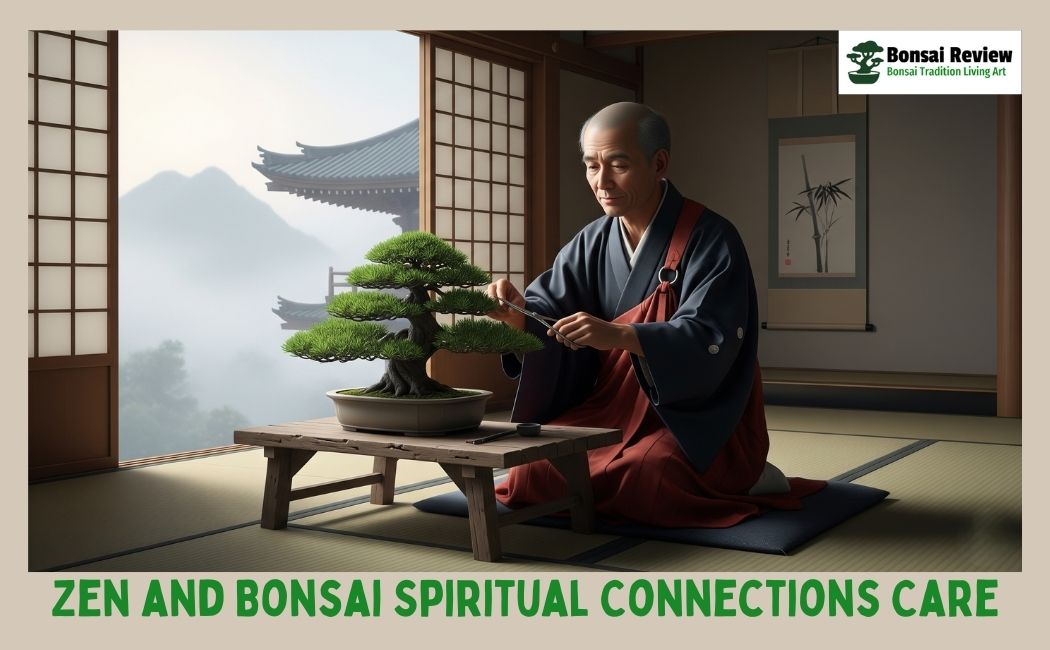
How Can I Practice Zen with Bonsai at Home?
You don’t need to be a monk or live in a temple to feel the Zen of bonsai. With small, mindful steps, you can turn bonsai care into a daily practice of peace and balance.
Step 1: Choose a Bonsai That Speaks to You.
Pick a tree that feels calming or inspiring. For beginners, species like Ficus, Juniper, or Chinese Elm are easy to care for. Don’t overthink it’s about your connection, not perfection.
Step 2: Create a Quiet Space
Place your bonsai where you can see it often, maybe near a window or in a small corner of your room. Think of it as your personal Zen corner, like a tiny version of a Zen garden (karesansui).
Step 3: Practice Mindful Care
Water slowly, prune gently, and watch closely. As you work, breathe deeply and notice small details, the sound of water, the scent of soil, the color of new leaves. This is your meditation in action.
Step 4: Reflect on Its Lessons
At the end of each care session, ask yourself: What did this tree teach me today? Maybe patience from slow growth, or resilience from a new bud. These reflections turn bonsai into your personal Zen teacher.
Step 5: Make It a Ritual
Caring for your bonsai regularly turns practice into a habit. Just 5–10 minutes a day can reduce stress, sharpen focus, and deepen your sense of inner peace.
So, with these steps, your bonsai becomes more than a dwarf plant becomes a daily reminder of wabi-sabi, impermanence, mindfulness, and healing.
What Are Some Real-Life Stories of Bonsai Inspiring Calm and Focus?
Bonsai has inspired generations of people, stories & real-world inspirations from Zen monks in ancient temples to modern bonsai lovers seeking calm in a busy world.
In Japan, monks used bonsai not only as decoration but as a tool for spiritual reflection, practicing patience, observation, and mindfulness daily. The careful shaping of branches and attention to seasonal changes became part of their meditative rituals, teaching them about impermanence and harmony.
Even today, people around the world follow these traditions. In homes and offices, bonsai brings a piece of Zen philosophy into daily life. Beginner bonsai lovers share stories of how watching a tiny tree grow slowly over the years helps them face challenges with resilience and calm.
Some modern Zen gardens incorporate bonsai alongside rocks, sand, and water to create miniature landscapes that inspire reflection and focus. These real-world examples show that the spiritual lessons of bonsai are not just historical. They are living, breathing practices you can carry into your own life.
Conclusion: Which Bonsai Techniques Shape Your Mind and Spirit?
Bonsai as your Zen teacher, when you care for a Zen and bonsai spiritual connections are doing more to shape a tree yourself. Each branch, each leaf, and every season teaches you the essence of Zen Buddhism as well as mindfulness, impermanence, patience, and balance.
The daily practice, the bonsai becomes a mirror for your own life, showing you how to embrace wabi-sabi, accept change, and find harmony in simplicity.
By observing, pruning, and nurturing your bonsai, you cultivate resilience, inner calm, and clarity. The tiny tree in your hands becomes a living teacher, guiding you gently toward emotional healing and spiritual growth.
Just like a Zen garden (karesansui) inspires reflection, your bonsai offers moments of stillness in a busy world, helping you pause, breathe, and reconnect with what truly matters.
In the end, the lessons of bonsai are simple but profound: slow down, notice, care, and grow not just your tree, but your mind, spirit, and life.
Interesting article: What Is the Spiritual Meaning of a Bonsai Tree? Symbolize!
FAQs: What Are the Most Common Questions About Zen and Bonsai Spirituality?
1. Is bonsai a spiritual practice or just a hobby?
Bonsai can be both. While some people enjoy it as a hobby, it becomes a spiritual practice when you use it to practice mindfulness, patience, and reflection. Caring for a bonsai can turn daily routines into meditative moments.
2. What kind of bonsai is best for Zen meditation?
Beginner-friendly trees like Ficus, Juniper, or Chinese Elm work well. They are easy to care for and allow you to focus on the spiritual and mindful aspects rather than struggling with maintenance.
3. Can bonsai help reduce stress?
Yes. Daily care, like pruning and watering, encourages mindfulness, which helps lower stress and anxiety. Observing your bonsai grow slowly also teaches patience and calm.
4. Is bonsai connected only to Buddhism?
Bonsai originated under Zen Buddhist influence, but anyone can practice it. Its spiritual lessons, impermanence, balance, resilience, and mindfulness are universal and can be applied by anyone seeking inner peace.
5. How is a bonsai different from a Zen garden?
A bonsai is a single living tree that represents balance, growth, and reflection, while a Zen garden (karesansui) is a miniature landscape of sand, rocks, and sometimes plants, designed to inspire meditation and simplicity. Both share the same Zen principles.
6. How much time should I spend caring for a bonsai daily?
Even 5–10 minutes a day can be enough. The key is mindful attention, not duration. Focus on observing, pruning gently, or watering slowly to practice presence and patience.
7. What soul for bonsai?
The bonsai mix is composed of pumice, lava, clay, and tiny pieces of pine bark. Bonsai soil provides 70 different trace minerals to your dwarf plants. It’s great for plants that require air and don’t like to be moist, as garden soil would be.
8. What is the tree spirit in Buddhism?
The Tree Spirit in Buddhism symbolizes interconnectedness, wisdom, and protection within nature. It manifests as a spiritual being linked to tree life, guiding and advising individuals, exemplifying the Bodhisatta’s essence, and reflecting the balance between human actions and nature’s harmony.