


Micro Garden is the answer when you don’t have a backyard but still dream of growing fresh microgreens, herbs, and vegetables at home.
Suppose your apartment balcony, windowsill, or kitchen counter feels too small for a traditional garden.
In that case, you can turn it into a thriving indoor garden with simple pots & planters, seed trays, or even a hydroponic kit.
Many people worry about poor sunlight, pests, or lack of nutrients, but today’s micro garden kits come with everything you need soil mix, compost, fertilizer, and even small grow lights that solve these problems.
If you choose container gardening, vertical gardening, or a decorative succulent terrarium, you’ll find affordable options under $50, available online with free shipping or at your local store.
This tiny space solution not only saves you money but also brings better nutrition, well-being, and a touch of green to your daily life, turning any corner into a sustainable and eco-friendly space.
What is a Micro Garden?
A micro garden is a small-scale garden you can create in limited spaces like a balcony, windowsill, kitchen counter, or even a tabletop. Instead of large garden beds, you grow in pots & planters, seed trays, or a hydroponic system that fits neatly indoors.
The idea is simple: you don’t need a big backyard to enjoy fresh food and greenery, just a few containers, the right soil mix or nutrient solution, and some light.
For example, if you live in a tiny apartment, you can start a container garden with basil, mint, and parsley on your kitchen shelf. If you prefer salads, you can grow lettuce and spinach in shallow trays that harvest within weeks.
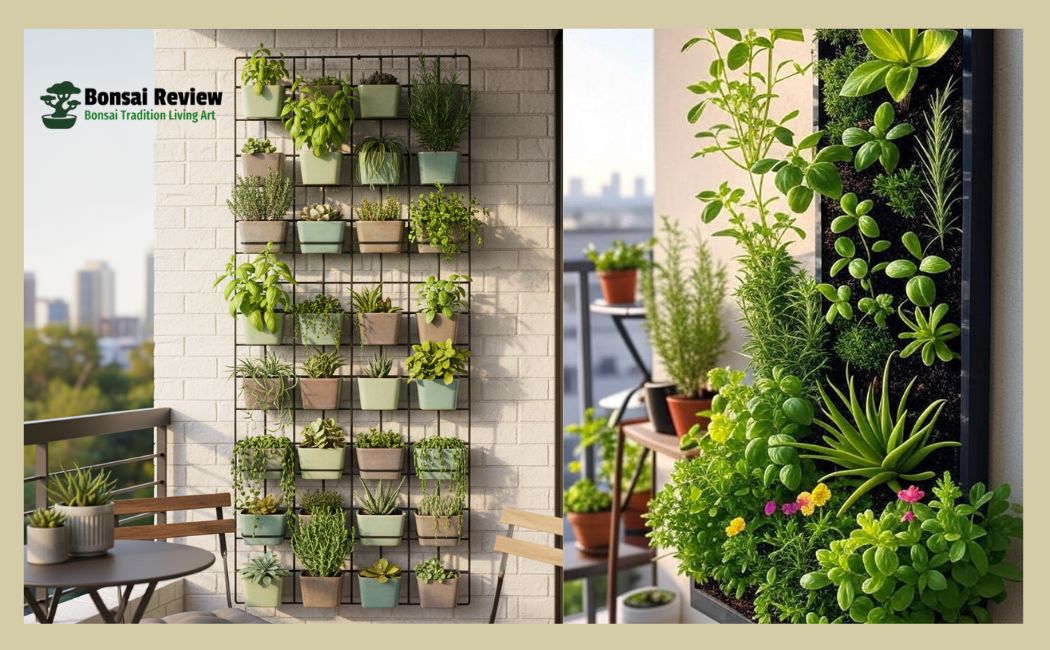
Even a vertical garden on your balcony can hold succulents, tomatoes, or microgreens, making the most of wall space.
People also choose micro gardens for decorative purposes. A succulent terrarium on your desk or a set of hanging planters by the window not only adds beauty but also improves air quality.
If you’re looking for fresh nutrition, a relaxing hobby, or a stylish way to bring more green into your life, a micro garden adapts to your needs.
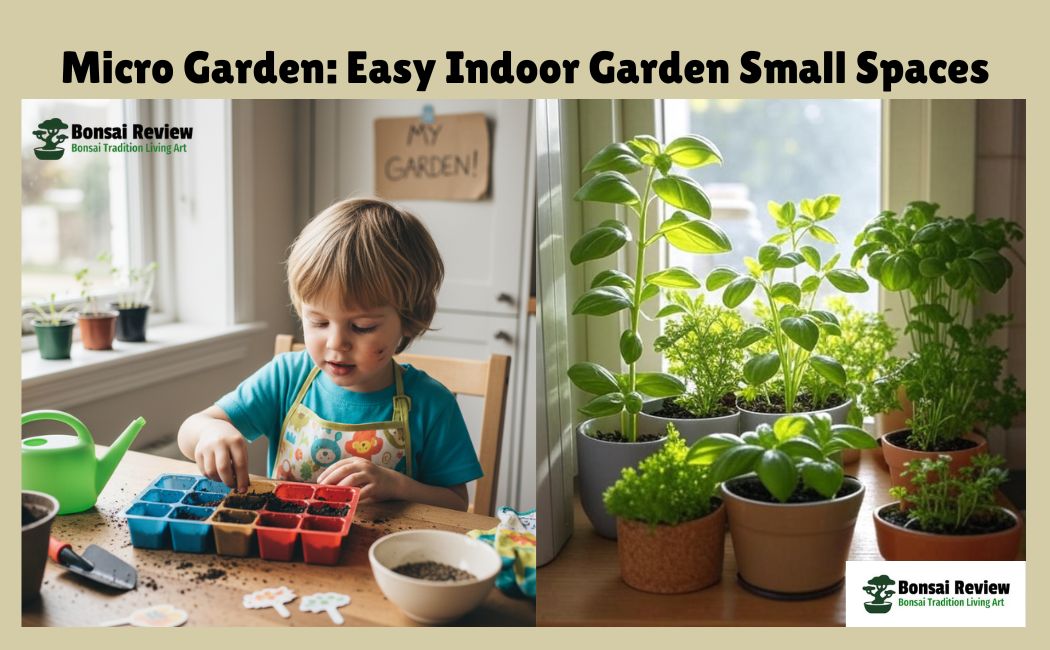
Benefits For Beginners: Why Choose Micro Gardening?
Starting a micro garden isn’t just about saving space; it’s about simply solving everyday problems.
Many people buy expensive microgreens or herbs from the store, but with a few pots & planters and some seed trays, you can harvest them at home for a fraction of the price.
Fresh food grown in your own container garden means no chemicals, no long shipping, and more control over your family’s nutrition.
Micro gardening also supports your well-being. Caring for plants reduces stress, adds natural beauty to your indoor garden, and creates a calming green corner in your apartment or office.
It’s eco-friendly too, you can use organic compost, fertilizer, or even try a DIY hydroponic kit to recycle water and grow sustainably.
For example, growing lettuce, spinach, and basil in small trays gives you quick harvests, while a succulent terrarium or a few hanging planters make your space look stylish.
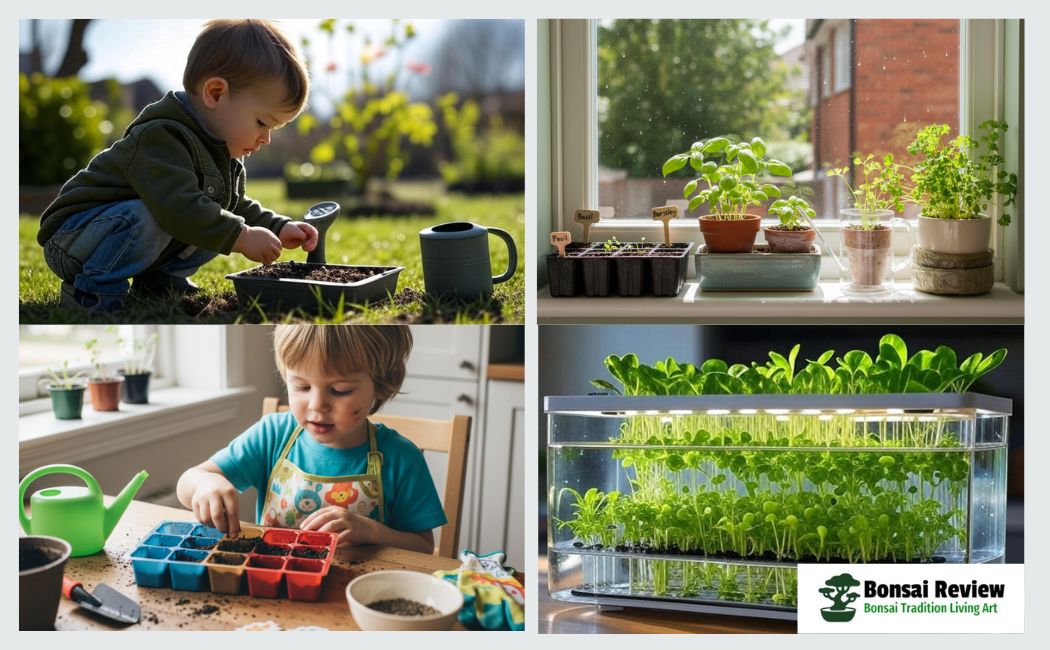
Even kids enjoy micro gardening, as it teaches them how food grows and connects them with nature.
In short, a micro garden offers you money savings, fresh nutrition, and a sustainable lifestyle all from a small balcony, windowsill, or even a desk.
Best Types of Micro Gardens for Small Spaces
Not all homes or offices have the same space, so your micro garden can take different forms. The good news is, there’s a style for every situation.
1. Container Gardens: The simplest way to start. Use pots & planters, seed trays, or even upcycled jars on a windowsill. Perfect for herbs like basil, mint, and parsley.
Example: a row of clay pots on your kitchen shelf gives you fresh flavors for cooking.
2. Vertical Gardens: When you have limited floor space, go up instead of out. A vertical frame or wall-mounted planter can hold succulents, lettuce, or even cherry tomatoes.
Example: a balcony wall fitted with vertical pockets turns into a living green wall.
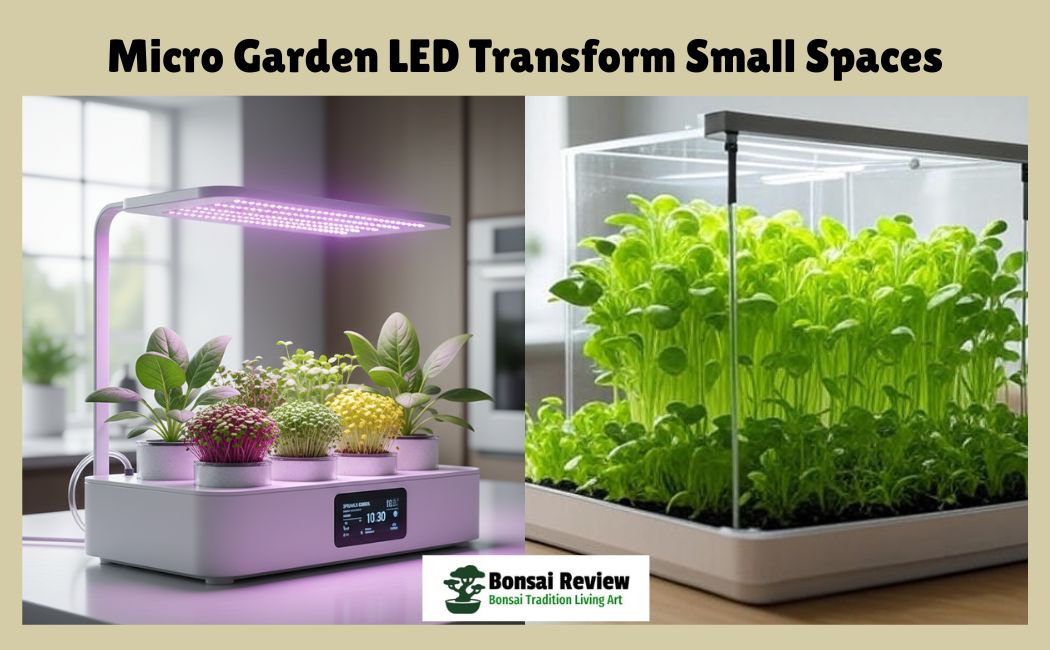
3. Hydroponic Micro Gardens: No soil? No problem. A hydroponic kit uses nutrient-rich water to grow plants like spinach, kale, or microgreens. This style is great for apartments where soil might be messy.
Example: a small indoor hydroponic garden under grow lights gives you a steady salad supply.
4. Terrariums and Decorative Mini Gardens: If you want greenery more for looks than food, a succulent terrarium or a few hanging planters can add beauty to your living room or desk.
Example: a glass bowl filled with colorful succulents doubles as a stylish centerpiece.
So, if you choose a container, vertical setup, or hydroponic system, each type of micro garden brings you closer to fresh food, better nutrition, and a touch of green right where you need it.
How Does Office Desk Plant Placement Impact Your Mood and Focus?
When you spend long hours at your desk, the placement of your office desk plant matters more than you may think. A poorly placed plant can block light, take up too much space, or even distract you. On the other hand, the right position helps balance your workspace energy, improves focus, and keeps you feeling refreshed.
For example, in Vastu Shastra, placing a money plant in the southeast direction is believed to invite prosperity and reduce stress.
Similarly, according to NASA air purifier research, Feng Shui, a lucky bamboo in the east corner, supports growth and harmony. If you choose an air-purifying plant like the snake plant or peace lily, placing it near your computer reduces indoor toxins and keeps the air cleaner, helping you breathe easier during long meetings or work sessions.
Think of placement like arranging your room space. A succulent on your desk adds a small but lively touch, while a bamboo palm near the window fills the air with freshness. Some plants, like the rubber plant or pothos, thrive in indirect light, making them perfect for office corners where sunlight doesn’t reach.
When your plant is placed correctly, it becomes more than home décor. It acts as a quiet support system for your workday, calming your mind and boosting your energy without you even noticing.
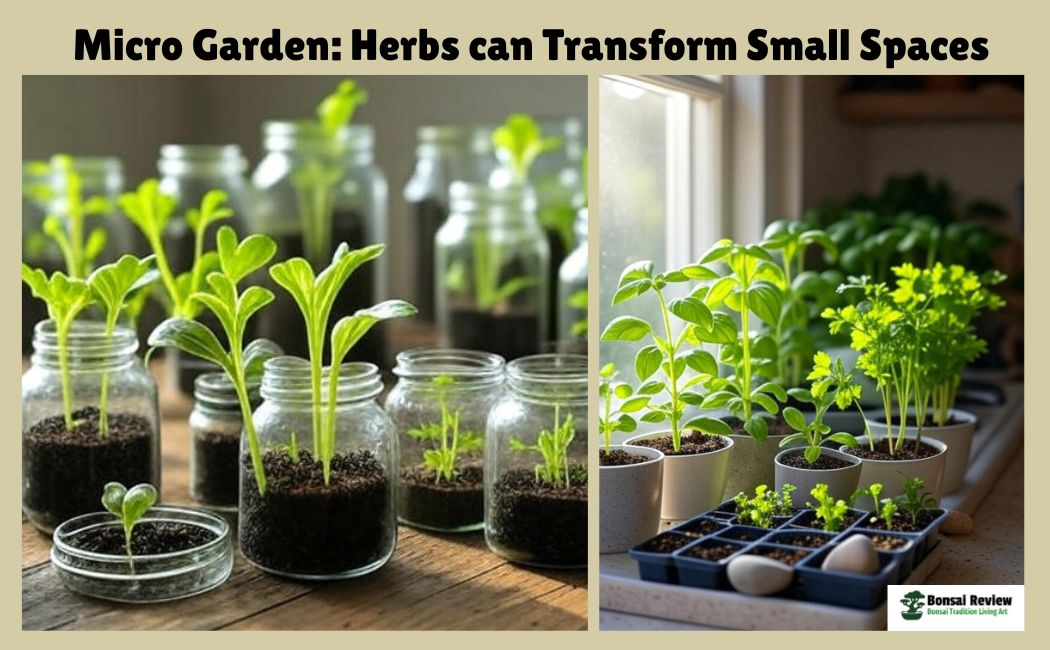
Best Plants for a Micro Garden Grow Big in Small Spaces.
| Plant Type | Examples | Light Requirement | Watering Needs | Ideal Space | Benefits |
| Herbs | Basil, Mint, Parsley | Partial to full sunlight | Moderate | Kitchen shelf, window sill | Fresh flavor for cooking, quick harvest |
| Leafy Greens | Lettuce, Spinach | Indirect sunlight or grow light | Moderate | Small trays, balcony | Nutritious, fast-growing, multiple harvests |
| Microgreens | Radish, Broccoli, Sunflower | Bright indirect light | Keep soil moist | Seed trays, indoor counter | High nutrition, quick harvest (7–14 days) |
| Succulents | Echeveria, Aloe Vera | Bright light | Low | Desk, tabletop, terrariums | Decorative, low maintenance, air-purifying |
| Flowers | Marigold, Nasturtium | Full to partial sunlight | Moderate | Window sill, balcony | Adds color and aesthetic appeal |
| Hydroponic Plants | Spinach, Kale, Microgreens | Grow lights or bright indirect | Nutrient solution | Countertop hydroponic kit | Soil-free, clean, consistent harvest |
What are the Varieties of Best Plants for Micro Gardening?
The best plants for a micro garden include dwarf vegetables and herbs like dwarf tomatoes, peppers, and carrots. Herbs such as basil, mint, and microgreens like radish and kale.
For flowers, choose miniature varieties of plants like hydrangeas and begonias, or creeping options such as thyme and sedum. Consider ornamental grasses and succulents for unique textures and low-maintenance care.
Edible Plants for a Micro Garden:
- Dwarf Vegetables: Look for varieties bred for containers and small spaces, such as ‘Red Robin’ tomato, ‘Fairy Tale‘ eggplant, and ‘Sweetheart of the Patio’ tomato.
- Mini Carrots: Varieties like the ‘Round Romeo‘ baby carrot grow well in small spaces and are a sweet and nutritious choice.
- Herbs: Many herbs thrive in containers; try basil, mint, oregano, dill, and lemon balm for fragrance and flavor.
- Microgreens: Grow young greens like radish, kale, arugula, broccoli, and spinach in a micro garden tray for quick harvests and added nutrition.
- Peas and Beans: Dwarf pea varieties and pole beans are excellent choices that don’t take up too much space.
Ornamental Plants for a Micro Garden:
- Dwarf Shrubs: Consider dwarf versions of popular plants like the ‘Bobo’ hydrangea for beautiful blooms in a compact form.
- Creeping Plants: Plants such as creeping thyme, creeping Jenny, and sedum are ideal for covering ground or spilling over the edge of pots.
- Succulents: Varieties like stonecrop and Hens and Chicks are hardy, low-maintenance, and add interesting textures to a micro garden.
- Ornamental Grasses: A few ornamental grasses can provide year-round interest and movement, transforming a small space into an attractive garden.
- Fairy Garden Favorites: For a whimsical touch, try miniature ivy, Irish moss, and sea thrift.
Tips for Success: Fresh Greens from Tiny Spaces.
- Choose Compact Varieties: Look for “dwarf,” “mini,” or “patio” varieties of plants that are bred to stay small.
- Consider Hanging Baskets: Hanging baskets are a great way to maximize space and add color without taking up any ground space.
- Select for Your Climate: Choose plants that will thrive in your local climate and are suitable for container gardening.
- Utilize Vertical Space: Plants with a vertical or vining growth habit, such as some pole beans or Cordyline, can add height without requiring a large footprint.
What is a Possible Downside to Microgreens?
The main disadvantages of microgreens are their high cost, short shelf life, and the intensive labor and monitoring required for their cultivation and distribution.
They are also vulnerable to rapid contamination by fungi and bacteria, leading to significant waste if not managed properly.
Additionally, their small quantities and high price may limit their contribution to your daily nutrient intake compared to larger portions of mature vegetables.
Challenges for Consumers: Micro Garden Fresh Greens from Tiny Spaces.
1. Cost: Microgreens are often expensive due to their specialized growing process, making them a costly addition to a regular diet.
2. Short Shelf Life: Their delicate nature means they spoil quickly, sometimes within a few days, leading to rapid nutrient loss and potential waste.
3. Limited Quantities: You typically eat microgreens in small amounts, so their concentrated nutrients may not provide the same health benefits as consuming larger portions of mature vegetables.
4. Potential Allergic Reactions: Like other plants, some individuals may experience allergic reactions or food sensitivities to specific types of microgreens.
Challenges for Producers For Micro Garden.
1. High Setup Costs: Starting a microgreens business requires a significant initial investment in equipment and infrastructure.
2. Labor-Intensive Cultivation: The short turnaround time from planting to harvesting necessitates constant planting, monitoring, and precise care, increasing labor costs.
3. Vulnerability to Contamination: The high humidity, dense planting, and closed systems used for growing microgreens can create an ideal environment for pathogens, leading to the rapid spread of fungal diseases like root rot and other microbial contaminants.
4. Reliance on Technology: Hydroponic systems require diligent monitoring of pH, nutrient levels, and pump function, as a failure can quickly lead to widespread loss of crops.
5. Risk of Systemic Failure: In a closed hydroponic system, one contaminated tray can quickly spread pathogens to the entire growing operation if not immediately isolated.
Micro Garden Kits and DIY Tips for Beginners
Micro garden kits, tools & budget options. If you want a low-maintenance herb garden for your windowsill or a high-tech system for a full indoor harvest, there is a micro garden solution for your home.
Before you begin, assess your space, light availability, and what you’d like to grow. Gardening ideas for small spaces.
| Kit/Tool | What’s Included | Best For | Price Range | Where to Buy | Notes |
| Beginner Micro Garden Kit | Seed trays, pots, soil, seeds | Kitchen counter or small balcony | Under $50 | Online / Local garden store | Quick start, easy setup for beginners |
| Hydroponic Micro Garden Kit | Water-based trays, nutrient solution, and grow lights | Indoor microgreens, herbs | $50–$150 | Online retailers, Amazon | Soil-free, clean, fast-growing |
| Vertical Garden Kit | Wall-mounted pockets, planters, supports | Balcony or wall space | $75–$200 | Gardening centers, online | Maximizes space, decorative & functional |
| Succulent/Terrarium Kit | Glass containers, soil mix, decorative stones, succulents | Desk or tabletop | $30–$60 | Online / Craft stores | Low-maintenance, decorative indoor garden |
| DIY Micro Garden | Reused jars/containers, seeds, compost | Budget-friendly, creative | Under $20 | DIY at home | Eco-friendly, customizable, minimal cost |
| Indoor Grow Light Kit | LED grow lights, clamps, and timers | Indoor microgreens or low-light spaces | $40–$100 | Amazon / Gardening stores | Supports plants where natural light is insufficient |
The Bigger Picture: Why Micro Gardening Matters?
A micro garden isn’t just a small hobby, and it’s a step toward a more sustainable, eco-friendly lifestyle.
Growing your own microgreens, herbs, and vegetables reduces reliance on store-bought produce, cutting down on packaging waste and transportation emissions.
If you use a hydroponic kit, container garden, or vertical garden, you’re contributing to urban gardening efforts, making even small spaces greener.
Beyond sustainability, micro gardening improves your well-being. Caring for plants like succulents, basil, or spinach reduces stress, brings beauty to your indoor garden, and provides a sense of accomplishment.
It’s also an educational tool for kids, who can learn where their food comes from and develop a connection with nature.
From a practical standpoint, a micro garden kit can be affordable (many under $50) and easy to maintain with pots & planters, seed trays, and optional grow lights.
Even tiny spaces like a windowsill, desk, or balcony become productive, green corners. Over time, you’ll see how these small efforts improve nutrition, save money, and turn your living space into a healthier, more vibrant environment.
In short, micro gardening is a solution that fits modern living, bringing fresh food, natural beauty, and sustainable practices into even the tiniest homes.
Conclusion: Micro Garden Setup With Affordable Indoor Gardening Tips for Beginners.
Start Your Micro Garden Today! You’ve seen how a micro garden can solve the problem of limited space while giving you fresh, affordable, and nutritious greens right at home.
From DIY ideas using recycled jars to complete hydroponic kits with grow lights, the options are flexible for every lifestyle and budget, even kits under $50.
If you’re looking for a way to bring nature indoors, improve your well-being, and enjoy food that’s both healthy and sustainable, starting small with seed trays, pots & planters, or vertical gardens is the easiest step.
With just a little care, your indoor garden can flourish on a desk, balcony, or windowsill, proving that even the tiniest space can bloom.
So instead of waiting, take the first step today: choose a micro garden kit or build your own. With each leaf that sprouts, you’ll discover how big a difference a little green space can make in your life.
Helpful article: What is an Evergreen Bonsai Plant and Why Choose It?
FAQs: Micro Garden Benefits: How to Grow Herbs, Microgreens & Succulents at Home?
1. What is a micro garden?
A micro garden is a small, space-saving way to grow plants like herbs, microgreens, and vegetables indoors or on balconies. You can use pots & planters, seed trays, or hydroponic kits to create one, even in tiny spaces.
2. Are microgreens worth growing in a micro garden?
Yes! Microgreens are packed with nutrients, grow in just 7–14 days, and need very little space. You can grow them in a micro garden kit or even in recycled containers.
3. What is the 70/30 rule in gardening?
In micro gardening, the 70/30 rule suggests using approximately 70% edible plants, such as herbs, leafy greens, and microgreens. and 30% decorative plants like succulents or flowers. This keeps your garden both useful and beautiful.
4. Do microgreens regrow after cutting?
Some microgreens, like pea shoots, can regrow after harvest, but most types, like radish or broccoli, cannot. For a steady supply, keep extra seed trays ready for planting.
5. How do you grow a micro garden indoors without soil?
You can use a hydroponic kit with water and nutrients, or even grow microgreens on a coconut fiber mat. This method is clean, easy, and great for apartments.
6. What are the best plants for a micro garden?
Popular choices include basil, mint, parsley, lettuce, spinach, radish microgreens, aloe vera, and succulents. Pick plants based on your light, space, and budget.
7. How much does a micro garden cost?
A simple DIY setup can cost under $20, while starter kits are often under $50. Advanced hydroponic systems with grow lights may cost $100 or more.
8. How do I design a small indoor garden?
Maximize the use of small spaces by displaying plants at different heights. Include hanging plants, a table, and floor specimens to create a simple take on a living wall. Use vining plants that will trail down the side of hanging pots, compact varieties for tables and shelves, and taller upright plants as floor specimens.
9. What is a Digital Garden?
The Digital Garden approach encourages. Publishing unfinished notes, with the intention of revisiting and revising. Linking ideas through internal references, like a personal Wikipedia or a Zettelkasten system.
10. What plant attracts money?
There are many Feng Shui plants for wealth that you can place in your indoor green corners. Jade plants, Golden Pothos, Money trees, Chinese Money plants, Areca palms, etc., are popular symbols of wealth. You can also place money, good luck plants in offices or near the entrance of your business place.